327期 2026.1.18 星期日 晨语
《札记·涿州》03
汉昭烈帝:刘备
刘备(公元161年-公元223年),字玄德,三国时期蜀汉开国皇帝,其故里为今河北涿州城南的楼桑庙村。他幼年丧父,与母亲织席贩履为生,贫寒的生活却未能磨灭其凌云之志。
故居东南角的五丈桑树,枝繁叶茂如车盖,路人皆称此树非凡。刘备幼时戏言“吾必当乘此羽葆盖车”,这句惊世之语,尽显其与生俱来的领袖气质与远大抱负。涿州地处燕赵之地,慷慨悲歌、尚武重义的地域文化,深深融入他的血脉,成为其一生闯荡天下的精神根基,少年时光也塑造了他坚韧不拔的性格底色。
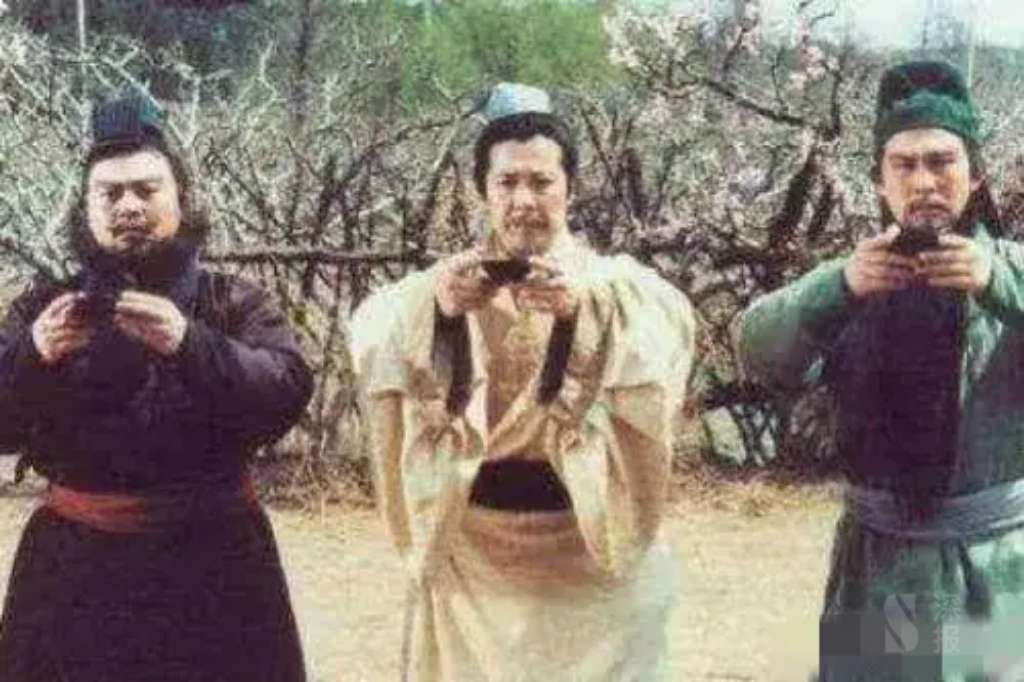
涿州的桃园三结义故里,是刘关张情谊的见证之地。东汉末年黄巾起义爆发,刘备在涿县举兵,与关羽、张飞结下了超越血缘的情谊。《三国志》虽未记载桃园结义的仪式,却明确提及三人“寝则同床,恩若兄弟”。这支由乡勇、商贩、屠户组成的队伍,以“上报国家,下安黎庶”为信念,在涿州这片土地上迈出了创业的第一步,也让“忠义”文化在这里埋下了最初的种子。
纵观刘备的一生,其创业之路远比曹操、孙权更为艰难。他半生颠沛流离,屡战屡败,先后依附于公孙瓒、陶谦、曹操等多位诸侯,却始终未曾放弃兴复汉室的理想。这种百折不挠的韧性,正是涿州人骨子里的倔强与坚韧。作为自称中山靖王之后的草根,刘备凭借“人和”立足,他待人谦和、礼贤下士,三顾茅庐请诸葛亮出山的典故,成为求贤若渴的千古典范。当阳撤退时,他不忍舍弃十万百姓,甘愿放慢脚步与民众同行,这份以人为本的仁心,让他在乱世中赢得了民心。
公元221年,刘备于成都称帝,建立蜀汉政权。尽管最终未能实现兴复汉室、还于旧都的夙愿,但蜀汉的正统性与忠义精神,成为三国历史中熠熠生辉的篇章。刘备为涿州留下了深刻的印记,让这座城市与三国、英雄、忠义紧密相连。楼桑春社的庙会、街头的评书大鼓,处处都传颂着他的故事。
从涿县布衣到三分天下的帝王,刘备的一生诠释了“英雄不问出处”的真谛。他以大志、信义与坚韧,书写了一段传奇,成为涿州的骄傲,更是中华民族精神的缩影。他的生命始于楼桑的桑树,终于白帝城的托孤,但他留下的“忠义”精神,如涿州古城墙一般坚不可摧,历久弥新。楼桑春深,帝业已逝,而英雄之气,万古长存。
(刘会军 2026.1.18 涿州) (字数:998字) "Notes on Zhuozhou" 03
Emperor Zhaolie of Han: Liu Bei
Liu Bei (161 AD - 223 AD), styled Xuande, was the founding emperor of the Shu Han during the Three Kingdoms period. His hometown was Lou sangmiao Village, south of present-day Zhuozhou in Hebei Province. He lost his *ther in his childhood and made a living by weaving mats and selling sandals with his mother. However, the impoverished life *iled to dampen his lofty aspirations.
At the southeast corner of his former residence stood a five-z丈 tall mulberry tree, with luxuriant branches and leaves like the canopy of a carriage. Passers-by all said this tree was extraordinary. When Liu Bei was a child, he playfully said, "I will surely ride in a carriage with such a feathered canopy." This remarkable remark fully revealed his inherent leadership qualities and great ambitions. Zhuozhou, located in the land of Yan and Zhao, where people are known for their generosity, readiness to sing dirges for heroes, and emphasis on martial spirit and righteousness, has deeply integrated into his blood, becoming the spiritual foundation for his lifelong journey闯荡 the world. His childhood also shaped the tenacious底色 of his character.
The hometown of the Oath in the Peach Garden in Zhuozhou is a witness to the friendship between Liu Bei, Guan Yu, and Zhang Fei. When the Yellow Turban Rebellion broke out in the late Eastern Han Dynasty, Liu Bei raised troops in Zhuoxian County and formed a bond with Guan Yu and Zhang Fei that transcended blood ties. Although "Records of the Three Kingdoms" does not record the ceremony of the Peach Garden Oath, it clearly mentions that the three "slept in the same bed and were as close as brothers." This team, composed of village braves, merchants, and butchers, with the belief of "serving the country above and pacifying the common people below," took the first step of their undertaking on the land of Zhuozhou, and also planted the initial seeds of "loyalty and righteousness" culture here.
Looking at Liu Bei's life, his path to founding a state was *r more difficult than that of Cao Cao and Sun Quan. He wandered about for half his life, suffering repeated defeats. He successively took refuge with many warlords such as Gongsun Zan, Tao Qian, and Cao Cao, but never gave up his ideal of restoring the Han Dynasty. This indomitable resilience is precisely the stubbornness and tenacity in the bones of Zhuozhou people. As a commoner claiming to be a descendant of Prince Jing of Zhongshan, Liu Bei established himself by virtue of "harmony with people." He treated others modestly and respected talented scholars. The allusion of visiting Zhuge Liang three times in his thatched cottage to invite him to serve became a timeless model of eagerness for talent. When retreating from Dangyang, he could not bear to abandon 100,000 common people and was willing to slow down to walk with them. This kindness of putting people first made him win the hearts of the people in the chaotic times.
In 221 AD, Liu Bei proclaimed himself emperor in Chengdu and established the Shu Han regime. Although he ultimately *iled to fulfill his long-cherished wish of restoring the Han Dynasty and returning to the old capital, the legitimacy and spirit of loyalty and righteousness of Shu Han became a brilliant chapter in the history of the Three Kingdoms. Liu Bei left a deep mark on Zhuozhou, closely linking this city with the Three Kingdoms, heroes, and loyalty and righteousness. The temple *ir of Lou Sang Spring Festival and the storytelling and drum performances on the streets all sing praises of his stories.
From a commoner in Zhuoxian County to an emperor who divided the country into three parts, Liu Bei's life interpreted the true meaning of "a hero's origin is not to be questioned." With great aspirations, *ithfulness, and tenacity, he wrote a legend, becoming the pride of Zhuozhou and even an epitome of the Chinese national spirit. His life began with the mulberry tree in Lou Sang and ended with the entrusting of his son in Baidi City, but the spirit of "loyalty and righteousness" he left behind, like the ancient city wall of Zhuozhou, is indestructible and ever-lasting. The spring in Lou Sang is in full bloom, the imperial cause has passed, but the heroic spirit will last forever.
(Liu Huijun, Zhuozhou, January 18th, 2026) (Word count: 998)
| 

 [复制链接]







 IP卡
IP卡 狗仔卡
狗仔卡 楼主
楼主 显身卡
显身卡