中国门球网

 找回密码
 注册会员

扫一扫,访问微社区

QQ登录

只需一步,快速开始

版主专区

社区广播台

楼主: 门球狂人
收起左侧

晨语

   关闭 [复制链接]
 楼主| 发表于 2026-1-18 09:23:00 | 显示全部楼层
328期 2026.1.19  星期一 晨语

聊聊札记

札记是一种随读随记、随感随录的零散文体,多用来记录读书心得、见闻感悟、考察所得或日常思考,内容灵活不拘一格,篇幅可长可短。
札记的特点是随性自然,不追求篇章结构的严谨完整,既可以是对某一事物的简短点评,也可以是一段详实的见闻记录,常见于文人学者的日常积累。
《札记·涿州》自2026年第一个周日出笼01篇,是聚焦特定地域的纪实性写作,将会持续52周,限定千字文(千字以内),汉英双语,贯穿全年。
我的人生已进入第七个轮回本命年,岁数大了,适合当坐家,在写作的同时,把掼牌、象棋、匹克球也捎带上,适度的脑力劳动和体力运动相结合,对身体有好处。
保持一年内有一两本小册子成形,2023年完成了《漫话捶丸》,2025年完成了《漫话中式门球》,2026年将完成《札记.涿州掼牌》,《札记.涿州》在年内或明年完成,《漫话中式槌球》也争取在近年完成。
老有所乐,做自已喜欢做的事儿,在自己喜欢的领域不断写出属于自己的札记。(刘会军)


英文翻译:Talking About Notes

Reading notes are a kind of fragmented prose style that records thoughts and impressions as one reads or experiences, often used to note down insights from reading, observations and reflections, findings from investigations, or daily thoughts. The content is flexible and not constrained by form, with lengths that can be long or short.

The characteristic of reading notes is that they are spontaneous and natural, not pursuing rigorous and complete structure. They can be either brief comments on something or detailed records of experiences, and are commonly seen in the daily accumulations of scholars and literati.

"Notes on Zhuozhou" launched its first article on the first Sunday of 2026. It is a documentary writing focusing on a specific region, which will last for 52 weeks, with each article limited to around 1,000 characters (within 1,000 characters), in both Chinese and English, throughout the year.

My life has entered the seventh cycle of my zodiac year. At an advanced age, it is suitable for me to be a "homebody". While writing, I also engage in card games, Chinese chess, and pickleball. Combining moderate mental work with physical exercise is good for the body.

I aim to have one or two booklets take shape within a year. In 2023, I completed "Chats on Chuiwan"; in 2025, "Chats on Chinese Gateball"; in 2026, I will finish "Notes on Zhuozhou: Card Games" and "Notes on Zhuozhou" may be completed within the year or next year. "Chats on Chinese Croquet" will also be completed in the recent years if possible.

Finding joy in old age, doing what I love, and constantly writing notes of my own in the fields I enjoy. (Liu Huijun)


回复

使用道具 举报

 楼主| 发表于 2026-1-19 07:26:55 | 显示全部楼层
329期 2026.1.20  星期二 晨语

与唠嗑体同行,与掼牌为伍
一件事,有人做,就有意思。
一件事,坚持做,重复做,就有意义。
比如,我的涿州朋友张三清,属猴,小我两岁,每天起的比鸡早,笔耕不辍,三年多以来,由单枪匹马耍笔杆到搞成一个团队一起群聊,出书上瘾一发而不可收拾,这不,二月八日又要开新书发布会和三青之室工作室年会,请一起玩的同仁一起吃一顿,我是要去的,不在乎吃什么,在乎和志同道合同频的人们在一起乐呵乐呵。
这是他的唠嗑体第十本书了。近三年以年,涿州退休编辑张三清出了唠嗑体系列丛书如下;
(出版日期和书名依次为)
1、唠嗑体定形并正式出书是2023年3月出版的三清唠嗑体之一《那些年 那些事儿》,30万字;
2、2023年5月出版的三清唠嗑体之二《聊聊涿州名人·一百单八将》,30万字;

3、2024年7月出版的三清唠嗑体之三《聊聊在外打拼的涿州人》,30万字;
4、2024年7月出版的三清唠嗑体之四《聊聊我身边儿的凡人轶事》,30万字;
5、2024年8月出版的三清唠嗑体之五《聊聊给我启迪的时代弄潮儿》,30万字;
6、2024年11月出版的三清唠嗑体之六《聊聊"十八棵青松"的陈年往事儿》,35万字;

7、2025年3月出版的三清唠嗑体之七《聊聊发人深省的那人那事儿》,35万字;
8、2025年4月出版的唠嗑体之八《聊聊那些敢想敢拼敢闯的人》,40万字;
9、2025年4月出版的唠嗑体之九《聊聊默默无闻甘于奉献的那人那事》,37万字;

10、2026年2月8日我要看到的唠嗑体之十《聊聊五行八作有故事的人》,约莫也得三十多万字。

三清不是一般的人,是二班的。在涿州七十万人中,是一位聪明绝顶的人,年轻时是一头秀发的帅哥,现在是精气神俱佳的光头老翁。
我曾拉他入伙打过掼牌,他对这本经兴趣不大,会念但念不好。他曾找过我学习使用今日头条,现今他在那个领域已游刃有余,早就超过我并已打造出一片属于自己的天地了。
我今年七十有二,已接近孔圣人的年龄了,也作了几件事:
乙已年晨语,至今日己完成329篇,还有36篇就一天不拉的写完了,能达到一年三百六十五天成三百六十五篇,这样的事儿我过去没干过,现已接近成功。一本《乙已.晨语》约莫得有二十万字了。
启动了《札记.涿州》的写作,2026年一年五十二个周日,每周日完成一篇千字文,汉英双语,主旨是涿州,涉及的内容均不离涿州(今年已过了三个周日写了三篇了)这样的事儿我过去没干过,那就试一试呗,正在摸索着干。会成一本5万2乘以2的小册子,我已给其起好了名字,现正不断装筐,这个动作将持续2026年全年。
近几日,正完成《札记.涿州掼牌》小册子的出版,这是一本自己亲身经历的岁月留痕的备忘录,在研发涿州掼牌这件事上,从无到有,从小到大,坚持了乙己年全年。今天是第二十四站的"大寒",在已完成了本次的四次预赛基础上,今日下午完成了决赛,干完这一票,今天的赛后综述会录入文集,几日后就可闻到新鲜的墨香了。

三清是我的朋友,我收藏了他的全部出版的书,二月八日他的新书发布会上,我会悄悄回送他一本,不,两本,他的夫人祁金华也得有,他俩都是涿州掼牌的学员嘛。他的《三青之声工作室》群员中,好像只有他俩会打掼牌。说明啥呀,掼牌的深度和广度还远未达到嘛,较之麻将和象棋,知名度还不够,用得上中山先生一句活"革命尚未成动,同志仍需努力"。


回复

使用道具 举报

 楼主| 发表于 2026-1-20 08:24:20 | 显示全部楼层
330期 2026.1.21  星期三 晨语

乙已年涿州掼牌于昨日下午节气"大寒"日在老干都活动服务中心圆满结束,此赛,为农历乙已年画上了一个圆滿的句号。
出次比赛,共有4组(每组8人)参加预赛,经过各组预赛,产生本组笫一名参加决赛。
昨日"大寒"参加决赛的是:
王颖/杨素娥女双组合
尚艳春/徐伟女双组合
杜建华/赵雅茹女双组合
邱俊霞/武娜娜女双组合

"大寒"掼牌比赛竞争很激烈,胜负毫厘之间。
鉴于参赛各对是经过预赛产生的,组委会决定执行《涿州掼牌赛事规程及细则》,三轮,每轮两圈8把,不限时,过A,整个比赛中,每轮均未超过一个小时。
第一轮后,双方胜负仅差一把牌。
第二轮后,4对各一胜一负。
第三轮后,出现两对两胜一负,两队一胜两负。
通过计算相等积分队之间胜负关系,排出了全部名次。


"大寒"赛成绩:
冠军:尚艳春/徐伟女双组合(两胜一负)
亚军:王颖/杨素娥女双组合(两胜一负)
季军:杜建华/赵雅茹女双组合(一胜两负)
与"小寒"赛一样,获得冠亚季军的每人获得赋分,计入涿州掼牌月排行榜,该排行榜持续2026年全年。

附:

好运来预赛
1月15日下午,在老干局完成了涿州掼牌第二组的预赛。
该组是以"好运来"为主组建的。经过现场抽签,是:
第一轮
东桌 何涛/郑洪玲~尚艳春/徐伟(双方打平)
西桌 孟庆鹏/杜建新~韩桂兰/刘智强(孟杜组合胜)
第二轮和第三轮是轮换对手,每对对阵三个不同的对手。
该组比赛的模式是:
固定4对组合,小组循环赛,三轮,胜2平1负0,排出名次。
该办法亦是"大寒"日决赛的赛制,三轮碰三个对手,决出名次,该组的赛制算是决赛的一次预演吧。
好运来小组赛成绩:
1、尚艳春/徐伟(两胜一平,级差15)
2、何涛/郑洪玲(两胜一平,级差14)
3、孟庆鹏/杜建新(一胜两负)
4、韩桂兰/刘智强(三负)
第一名参加"大寒"掼牌赛决赛。
值得一提的是:
1、尚艳春是2024年年底在一次去北京参观的大巴车上,我第一次在车上提出涿州要组织掼牌培训班并让同行的路军登统报名,尚是第一个报名者。
2、尚艳春是涿州某个展演团队的召集人,她发起的"好运来"团队现已有十余位迷上了掼牌,是目前涿州掼牌领域自发形成的最大的"山头"。
3、尚艳春是涿州掼牌2025年度自费下海南(四姐妹)走云南(叁恩团队)的成员之一。
此次搭档队友徐伟,以不败战绩获得参加决赛名额,可喜可贺。
注意到了:昨天的预赛,使用的牌及计分器、报牌卡,都是尚艳春自备的,算是达到了我们对涿州掼牌某些人提出的标准:"有点钱,有点闲,有情怀"了。
今天下午,第三组"物探联队"进行预赛,该组召集人温宝军昨天已观摩了第二组的比赛。依名单分析,第三组4对的实力更强一些。
周一下午,"老干局+二康"计4对8人预赛。这个组娱乐的成分大一些,老干局4人都年过七十岁,最年长的(李杰)己八十岁了。
乐乐呵呵有吃有喝的老体协组已完成一次模拟赛了,还要继续,她们的预赛是在家里完成的,有专业"大厨″伺侯。
周二下午"大寒",乙已年的涿州掼牌第二十四站举行,该站次后,算是给历时一年的涿州掼牌画上一个圆滿的句号。
丙午年立春,是新的开启,涿州掼牌将打造自已的赛事规程及细则并使其日臻完善,"走出去,请进来"的次数和水平会上一个新的台阶。
丙午年,涿州掼牌筹备组将完成自身的升级,谋划"涿州掼牌协会或俱乐部",使涿州掼牌融入涿州社会体育。

附:
物探组预赛
1月16日下午,市老干部活动服务中心,涿州掼牌"大寒"赛物探组预赛完成。
该组是实力比较强的一个组,竞争比较激烈。我在现场第一轮静静的看了一圈牌,李泽民搭档周晓红,在比赛第一轮意然连拿4把头游,其梳牌、出牌及手上码牌较为规范。
第二轮中,我在同一位置看了王颖(搭档扬素娥)的几把牌,觉得她的行为动作堪称典范,具备直播的水准。打的牌干净利索,令人赏心悦目。
令人没想到的是,该组一对实力强劲的组合(温宝军/何宁华)竟然三轮没有开和,而且让对方都打到了A,用实例告知人们:牌技和运气密不可分,不上牌的时侯神仙也不灵,这也说明掼牌的魅力所在。
该组第一轮比赛,创下一项记录:仅用了34分钟就过A结束。
物探组预赛成绩:
1、杨素娥/王颖
2、李泽民/周晓红
3、张玉青/阵玉莲
4、温宝军/何宁华
由专职裁判邱俊霞完成的一张表记录了该组的比赛状况(附后)。
这次的小组循环赛与好运来组的比赛相同,最好成绩也是出现两个两胜一平,通过计算级差才分出高低。杨素娥/王颖女双组合以两胜一平不败战绩获得该组头名,晋级"大寒"日决赛阶段。
在门球领域,我用了三十余年的小组循环赛制第一次正式用在掼牌领域,本来还有些担心,怕出现放水和假牌,这次实践证明,在掼牌领域,可以大胆使用,4队一组,分别与其中三个对垒,胜2平1负0,方便好记也较为公平。
老体协组已完成一次模拟赛了,老干局+二康组定于"大寒"日的前一天预赛,其实,老干局每天上下午都有掼牌活动,几位老者是台球、乓乓、象棋及掼牌的常客,他们每天上下班的时间比一些在职人员上班还"专业",实乃是再创人生第二春天的践行者。
此次涿州掼牌一年来形成的团队已拉出来几个蹓了一下,来年重点培育,在已有的叁恩及老兵俱乐部两个平台基础上,巩固发展原来的单位、团队及社区,切实把活动人口和组织活动的重点放到基层,名目繁多各有侧重的掼牌交流活动及赛事将会很多,让更多的人参与其中,乐在其中。
乙已年的收官之战,之所以第一次采用预赛、决赛两个阶段,是尝试,也是预示在新的一年会有新的动作。冠云路203号的叁思及长空路233号的弘琨老兵俱乐部,是两个比较成熟的场景了,这还不够,还要打造出几个适宜的场景,文昌祠小院在丙午年要有精艳表现,打造中的康养基地更是令人期待。
收官之战还在继续,展望丙午,再立新功。

附:
涿州掼牌月排行榜
(2026年1月)
1、孟庆鹏 3分(小寒冠军)
      常晓坤 3分(小寒冠军)
      尚艳春 3分(大寒冠军)
      徐伟 3分(大寒冠军)
2、温宝军 2分(小寒亚军)
      何宁华 2分(小
寒亚军)
      王颖  2分(大寒亚军)
      杨素娥 2分(大寒亚军)
3、张玉青 1分(小寒季军)
      陈玉莲 1分(小寒季军)
      杜建华 1分(大寒季军)
      赵雅茹 1分(大寒季军)


回复

使用道具 举报

 楼主| 发表于 2026-1-21 09:33:31 | 显示全部楼层
331期 2026.1.22  星期四 晨语

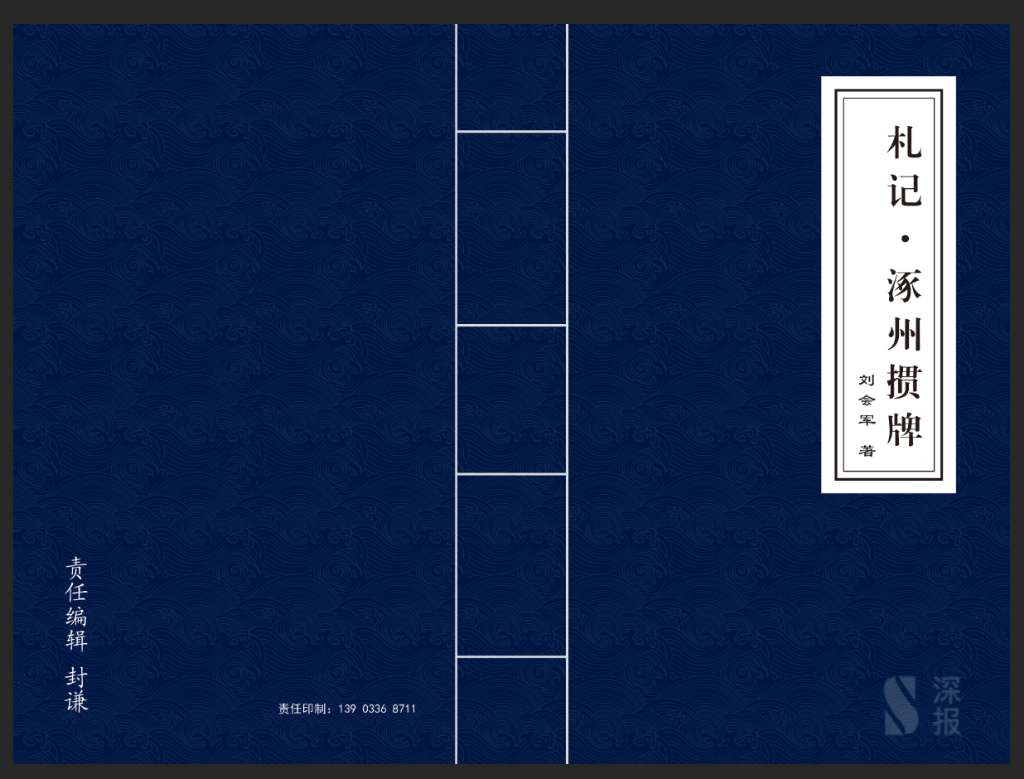
《札记.涿州掼牌》书的小样已达我手上,加了一段"结语",意犹未尽,译成英文。
后又将"序言″也译了英文,这样就对应了。这是第一次实现出版物的双语操作,虽只有两段,是为下步《札记.涿州》书趟个路子。

结语:
2025年,是我"再创人生第二春天"的第一年,即七十岁以后的第一年。
人活七十岁,是达到了人生的一个阶段。在我的字典里:人生上半场1--60岁已经完成了,十年过渡期(60--70岁)过去了,真正的下半场(70岁)开启了。
农历乙己年,是从立春日开始的,我做了两件事:
第一件事:每日一篇晨语,一年365天,竟然一天不落下的都即将完成,粗略算了一下,约莫有二十万字左右。
第二件事:年内每个农历节气完成一次掼牌比赛,全年竟然把二十四站都完成了,而且每次都留下文字载之。
《札记 · 涿州掼牌》一书,是这第二件事的阶段性成果,整理成文,算是岁月留下的痕迹。
世上本无路,走的人多了,就有了路。
做自己喜欢做的事儿,是我七十岁时启用的座右铭,未来的岁月,以此勉之。
涿州本无门球,后来有了,有了《涿州门球三十年》一书。在这个领域,我是参与者,近二十年来,是主要参与者之一。《涿州门球四十年》一书,将在我的手上完成之。
涿州掼牌,已满周岁。记录的一年的历程,可谓是奠基,在这一领域,我是发起人团队之一。
今年的涿州掼牌,已成历史。新的一年,方兴未艾,还得继续奋斗之。(刘会军)


Epilogue (结语)

2025 was the first year of my “rebirth of life’s second spring,” that is, the first year after turning seventy.

Living to the age of seventy marks a distinct stage in life. In my dictionary: the first half (ages 1–60) is complete; the transitional decade (ages 60–70) has passed; and the true second half (beginning at 70) has now commenced.

The lunar Year of Yisi (2025) began with the Start of Spring, and I accomplished two things:

First, I wrote one “Morning Note” every day. Over the course of 365 days, I am about to complete this task without missing a single day—roughly 200,000 characters in total.

Second, I completed a Guapai tournament on each of the twenty-four solar terms throughout the lunar year. Remarkably, all twenty-four events were held, and each was documented in writing.

The book Zhuozhou Guapai: A Chronicle is a milestone achievement of this second endeavor. Compiling these records is a trace left by time itself.

There were no roads in the world; they are made by the footsteps of many.

“Do what you love” has been my personal motto since I turned seventy. It will guide me in the years to come.

Zhuozhou once had no gateball; later it did, and the book Thirty Years of Zhuozhou Gateball was written. In this field, I have been a participant and, for nearly two decades, one of its key contributors. The book Forty Years of Zhuozhou Gateball will be completed by my own hand.

Zhuozhou Guapai is now one year old. Documenting its first year lays the foundation. In this domain, I am one of the founding members.

This year’s chapter of Zhuozhou Guapai has become history. In the new year, it is burgeoning and full of promise, and our efforts must continue.


(Liu Huijun)


-----------------------------------------------------
序言
掼蛋,扑克牌的一种玩法,起源于中国江苏盐城民间,因通俗易懂且宜组织,在我国华东地区的江浙沪皖鲁以及京津冀等省区盛行。
涿州掼蛋源于2024年10月,发起人六人,是:刘会军、周强、路军、孟庆鹏、刘永刚、温宝军。后,掼蛋定名为涿州掼牌至今。
以中国乙已年农历二十四节气为由头,涿州掼牌在乙己年搞了二十四次小型赛事交流。
自2025年7月开始,搞了涿州掼牌月排行榜,每月更新公示。8月开始,搞了涿州掼牌种子组合的培育及公示,还组织了“走出去,请进来”的举措,涌现了环京掼牌俱乐部、叄恩(涿州)公司、弘琨公司老兵俱乐部等协办和助推涿州掼牌,使得涿州掼牌从无到有、从小到大,由弱到强。目前,还在健康发展中。
《札记 涿州掼牌》,是一本备忘录,如实记录了涿州掼牌一年内的发展及蜕变过程,书中,点到了很多涿州掼牌人的名字。涿州掼牌一书,属于所有涿州掼牌爱好者,涿州掼牌的历史是由他们创造的。
一年光阴,来去匆匆,涿州掼牌,生长于民间,繁荣于民间。特作《涿州掼牌赋》如下:


涿州掼牌赋

燕赵故郡,涿水之阳,承千年文脉,焕今时雅趣。时有掼牌之戏,聚贤达于一席,融智巧于四手,遂成市井风流、雅室清欢。
观其器也,纸牌一百零八,人均27张,分花色以辨类,标点数以定衡。组合交映,若涿野朝晖夕阴;明暗相间,似范阳古街今巷。其局也,四人对坐,二为一伍,攻守相倚,休戚与共。发牌如行云流水,落牌若惊雷破阵,指尖起落间,藏韬略之深;言语笑谈中,见性情之真。
夫掼牌之妙,在谋不在勇,在合不在独。审时度势,观牌面以料敌;审己度人,察神色而辨机。或隐忍不发,待时而动,若张飞据水断桥之稳;或乘势而上,连番出击,似云长过关斩将之锐。搭档相契,心有灵犀一点通,无需言语,便知进退;对手相峙,智计往来千回合,各显神通,难分伯仲。
至于局中气象,亦如涿州山河之变。顺境时,牌势如拒马河奔涌,一气呵成,意气风发;逆境时,落子若孤山挺立,沉着应对,静待转机。胜则不骄,举杯共贺,念合作之益;负则不馁,复盘细论,思得失之由。
噫!涿州掼牌,非独为博弈之乐,实为修身之镜、社交之桥。观牌品可知人品,见协作而晓齐心。承此雅趣,传彼新风,愿涿州之乐,溢于牌桌,流于街巷,长盛而不衰也!


是为序


                                                                                                                                       刘会军


                                                                                                                                    乙已末--丙午春


Preface (序言)

Guandan, a card game originating among the people of Yancheng, Jiangsu Province, China, is known for its accessibility and ease of organization. It has gained popularity in East China regions such as Jiangsu, Zhejiang, Shanghai, Anhui, and Shandong, as well as in Beijing, Tianjin, Hebei, and other areas.

Zhuozhou Guapai was initiated in October 2024 by six individuals: Liu Huijun, Zhou Qiang, Lu Jun, Meng Qingpeng, Liu Yonggang, and Wen Baojun. The game was later formally named Zhuozhou Guapai, as it is known today.

Taking the twenty-four solar terms of the lunar Year of Yisi as a thematic framework, Zhuozhou Guapai held twenty-four small-scale tournaments and exchanges throughout the year.

Beginning in July 2025, a monthly ranking list for Zhuozhou Guapai was launched and updated publicly each month. From August, the cultivation and publication of seeded partner teams began. Initiatives to “reach out and invite in” were also organized, leading to support and sponsorship from clubs such as the Around-Beijing Guapai Club, Sancen (Zhuozhou) Company, and the Hongkun Company Veterans Club. These efforts nurtured Zhuozhou Guapai from nonexistence to existence, from small to large, from weak to strong. It continues to develop healthily today.

Zhuozhou Guapai: A Chronicle serves as a memorandum, faithfully documenting the game’s development and transformation in Zhuozhou over one year. It mentions by name many of its local enthusiasts. This book belongs to all who love Zhuozhou Guapai, for its history is created by them.

A year passes swiftly. Zhuozhou Guapai was born among the people and thrives among them. Here follows “An Ode to Zhuozhou Guapai”:

Ode to Zhuozhou Guapai

In the ancient land of Yan and Zhao, north of the Zhuo River, carrying forward a millennial cultural legacy, now revitalized with contemporary elegance and delight. Behold the game of Guapai, gathering the keen-minded at one table, blending wisdom and skill in four hands—a pastime for the lively marketplace and a refined pleasure for the quiet chamber.

Consider its tools: one hundred and eight cards, twenty-seven per player, sorted by suit and ranked by value. Their combinations interplay like the dawn light and evening shade over the fields of Zhuo; their revealed and hidden aspects resemble the ancient lanes and modern avenues of Fanyang. As for the play: four sit opposed, two as one team, interdependent in attack and defense, sharing fortune and fate. The deal flows like clouds and water; cards fall like thunder breaking a formation. Between the rise and fall of fingertips lies deep strategy; within the conversation and laughter shows true character.

The beauty of Guapai lies not in boldness but in planning, not in solitude but in partnership. Assess the timing and evaluate the circumstances, watch the cards to anticipate the foe; know yourself and gauge your companions, observe expressions to seize the moment. Sometimes bide your time, waiting for the right opening, steady as Zhang Fei at the broken bridge; sometimes press the advantage with successive strikes, sharp as Guan Yu through the passes. Teammates in harmony share an unspoken understanding, knowing advance and retreat without a word; opponents locked in contest exchange wits over countless rounds, each showing their mastery, hard to separate.

The atmosphere at the table mirrors the changing landscapes of Zhuozhou. When fortune favors, the card momentum surges like the Juma River, accomplished in one breath, spirits high. When facing adversity, playing a card is like a lone hill standing firm, responding with calm, awaiting a turn. In victory, no arrogance—raise a cup in shared celebration, mindful of cooperation’s gain. In defeat, no despair—review the game in detail, pondering the cause of loss.

Ah! Zhuozhou Guapai is more than a game of contention; it is a mirror for self-cultivation, a bridge for fellowship. Character is revealed in one’s conduct at the cards; unity is seen in teamwork. May this elegant pastime and its spirit spread, and may the joy born of Zhuozhou Guapai overflow from gaming tables and ripple through its streets and lanes, flourishing without end!

This is the preface.

(Liu Huijun)

Late Yisi – Spring of Bingwu


回复

使用道具 举报

 楼主| 发表于 2026-1-23 08:43:49 | 显示全部楼层
332期 2026.1.24  星期五 晨语

研究张飞

因写作《札记.涿州》,涉及涿郡张飞。张飞曾有一个封号:西乡侯。这是三国时期蜀汉名将张飞的爵位。
章武元年(221年),刘备称帝,张飞晋升为车骑将军、领司隶校尉,同时进封西乡侯。
关于张飞的西乡侯是县侯还是乡侯,存在一定争议。有观点认为,西乡指的是涿郡西乡县(现涿州西北及房山山前地域),张飞的爵位实际上为县侯。但也有观点认为,涿郡的西乡县在东汉时已不存在,汉中西乡县在刘备分封时还叫南乡县,且张飞的爵位不可能高于马超的斄乡侯,所以张飞的西乡侯是乡侯。
张飞死后,他的次子张绍继承了西乡侯爵位 。
有人曾提出过,张飞是现北京房山人,因历史上的西乡有一大片地方确属现北京房山区。
研究历史,不要把历史上的地城与今日牵强,因地城随着朝代的更新而不断变换,比如督亢之地,就有狭义和广义之分,我们应在研究中注意方法,不钻牛角尖。
涿郡,是个大概念,也曾是现北京的别称。隋朝的大运河,重要的两段是南起杭州~洛阳,洛阳~涿郡。
研究张飞,要知道现涿州的忠义店村,原名张飞店,又原名桃庄,桃园三结义的地方,这个地方,我去的次数比较多了。

回复

使用道具 举报

 楼主| 发表于 2026-1-24 07:20:47 | 显示全部楼层
333期 2026.1.24 星期六 晨语

清朝州县核心按"冲、繁、疲、难"四字定等,分最要、要、中、简四级,四字全占为最要缺,无则为简缺,吏部依等级选任官员、核定考核。
冲:地理位置紧要,交通枢纽;
繁:政务繁杂,辖区事务多;
疲:赋税拖欠多,民生凋敝;
难:民风刁悍,治理难度大。

此外州县也有京县、外县的行政地域划分,京县(如大兴、宛平)隶属顺天府,等级、职权高于普通外县,官员品阶也更优。

清代的涿州由清代的老大乾隆给了四个字中的三个字命名,含有冲、繁、难,少疲。
一副对子说的很清楚了:日边冲要无双地,天下繁难第一州。

回复

使用道具 举报

 楼主| 发表于 2026-1-26 10:11:00 | 显示全部楼层

334期 2026.1.25 星期日 晨语


《札记·涿州》04

涿郡张飞

涿郡沃野属燕赵故地,育壮士、诞猛臣,汉桓侯张飞翼德乃此间千古英杰。其故里在涿州西南忠义店,旧名桃庄,因刘关张桃园结义易名,以彰忠义,至今古井犹存,遗迹昭然,诉说着这位燕人猛将的传奇。

飞少时家道殷实,有田庄桃园,以屠沽为业,性刚烈勇猛,常与乡里孩童角力,桀骜难驯。其父屡请塾师皆被气走,幸得舅氏引荐,拜归隐武将王养年为师。王公文武兼备,见飞骨相不凡,授其《春秋》《孙子兵法》与枪矛绝技,更教书法绘美人、穿针引线磨心性。数载苦修后,飞通韬略、擅翰墨,绘美人名动乡里,摩崖书法遒劲雄浑,纪昀曾叹“慷慨横戈百战余,桓侯笔札定然疏。哪知拓本摩崖字,车骑将军手自书”,足证其文武兼修,非徒有勇力。

中平元年黄巾乱起,天下鼎沸。刘备在涿郡招兵买马,飞与关羽一见倾心,三人于庄中桃园结义,誓共扶汉室、生死与共。自此,飞执丈八蛇矛随玄德辗转南北,讨黄巾时勇冠三军,守下邳虽醉酒失城,却知过思改,愈发沉稳。

建安十三年,曹操挥师南下,刘备携民渡江兵败长坂坡。危急之际,飞仅率二十骑断后,立马当阳桥断桥拒敌,厉声大喝:“我乃燕人张翼德也!谁敢与我决一死战?”声震寰宇,曹军众将心惊胆寒,无人敢前,刘备得以脱险。此役,飞既以勇立威,更设疑兵扬尘惑敌,尽显粗中有细之智,成千古佳话。

西川之战,飞率军溯江而上兵临江州,守将严颜死守不降,被俘后怒斥张飞,风骨凛然。飞见其忠勇,反亲解其缚、待以宾礼,终令严颜归降,尽显识才爱才胸襟,为取西川扫清障碍。宕渠一战,飞与张郃相持五十余日,巧诱敌军入狭窄山道分兵突袭,大破张郃,令曹军不敢南向,保巴西之地无虞,用兵之谋不输良将。

飞一生敬君子而不恤小人,刘备屡劝未改。章武元年,关羽败走麦城为东吴所害,刘备兴兵伐吴,飞奉命自阆中出兵。临行前夜,因鞭挞部将遭暗算,身首异处,一代猛将殒于宵小之手,悲哉!其首葬云阳,身葬阆中,魂归涿郡,千秋祭祀香火不绝。

千载之下,涿州张飞古井仍映日月,桃园春风依旧拂面。世人多知张飞之勇,鲜识其文、忘其智。他是燕赵铁血男儿,蜀汉开国功臣,忠义贯日月,智勇炳千秋。涿郡因飞增辉,三国因飞添彩,桓侯英魂永留涿水之滨,激励后世守忠义、怀智勇,不负燕赵豪杰之名。飞曾受封西乡侯,爵位传于次子。

(刘会军 2026.1.25 涿州)
(字数:986字)

英文翻译:"Notes on Zhuozhou" 04

Zhang Fei of Zhuojun

The fertile land of Zhuojun, part of the ancient Yan and Zhao regions, nurtures valiant warriors and gives birth to fierce ministers. Zhang Fei, styled Yide, posthumously known as Marquis Huan of Han, is an eternal hero of this place. His hometown is Zhongyi (Loyalty and Righteousness) Store in the southwest of Zhuozhou, formerly named Taozhuang (Peach Village). It was renamed after Liu Bei, Guan Yu, and Zhang Fei took an oath in the peach garden to highlight their loyalty and righteousness. To this day, the ancient well there still exists, with clear traces telling the legend of this fierce warrior from Yan.

In his youth, Zhang Fei's family was well-off, owning farmland and a peach garden, and he made a living by butchering and selling wine. He was fiery-tempered and brave, often wrestling with village children, unruly and hard to tame. His father repeatedly invited private tutors, but all were driven away in anger. Fortunately, his uncle recommended him to Wang Yangnian, a retired military officer. Master Wang was versed in both literary and martial arts. Seeing that Zhang Fei had an extraordinary physique, he taught him The Spring and Autumn Annals, The Art of War by Sun Tzu, and exquisite spear skills, and even taught him calligraphy, painting of beauties, and threading needles to temper his temperament. After years of hard training, Zhang Fei became proficient in strategies, skilled in calligraphy, and his paintings of beauties were famous in the village. His cliff inscriptions were forceful and vigorous. Ji Yun once sighed, "After a hundred battles with generous spirit and wielding a spear, Marquis Huan's writings must be careless. Who would have known that the characters on the rubbing from the cliff were written by the General of Chariots and Cavalry himself?" This fully confirms that he was versed in both literary and martial arts, not just having brute strength.

In the first year of Zhongping (184 AD), the Yellow Turban Rebellion broke out, throwing the whole country into chaos. Liu Bei recruited soldiers in Zhuojun. Zhang Fei and Guan Yu felt an immediate affinity for Liu Bei, and the three took an oath in the peach garden of the village, vowing to jointly support the Han Dynasty and share life and death. From then on, Zhang Fei, holding his serpent-spear, followed Xuande (Liu Bei) as he traveled north and south. He was the bravest among the troops when suppressing the Yellow Turbans. Though he lost the city of Xiapi due to drunkenness, he acknowledged his mistake and became more steady.

In the thirteenth year of Jian'an (208 AD), Cao Cao led his army south. Liu Bei, leading the people across the Yangtze River, was defeated at Changban Slope. In the critical moment, Zhang Fei led only twenty cavalry to hold the rear. He stood by the broken Dangyang Bridge to resist the enemy, shouting loudly, "I am Zhang Yide from Yan! Who dares to fight me to the death?" His voice shook the world, and the generals of Cao's army were terrified, no one daring to advance, allowing Liu Bei to escape. In this battle, Zhang Fei not only established his authority with bravery but also set up a decoy force to stir up dust and confuse the enemy, fully showing his wisdom that lay beneath his roughness, becoming an eternal story.

In the battle for Xichuan, Zhang Fei led his army upstream along the river and reached Jiangzhou. The defending general Yan Yan held out and refused to surrender. After being captured, Yan Yan angrily rebuked Zhang Fei with unyielding integrity. Seeing his loyalty and courage, Zhang Fei instead personally untied him, treated him with courtesy as a guest, and finally persuaded Yan Yan to surrender, showing his broad mind in recognizing and cherishing talent, clearing obstacles for the capture of Xichuan. In the Battle of Dangqu, Zhang Fei confronted Zhang He for more than fifty days. He cleverly lured the enemy into a narrow mountain road and sent troops to launch a surprise attack, thoroughly defeating Zhang He, making Cao's army dare not move south and ensuring the safety of Brazil. His military strategy was no less than that of excellent generals.

Zhang Fei respected gentlemen but was harsh on his subordinates. Liu Bei advised him repeatedly, but he did not change. In the first year of Zhangwu (221 AD), Guan Yu was defeated, fled to Maicheng, and was killed by the Eastern Wu. Liu Bei raised an army to attack Wu, and Zhang Fei was ordered to send troops from Langzhong. On the night before departure, he was assassinated by his subordinates whom he had whipped, his body and head separated. What a tragedy that such a great warrior died at the hands of villains! His head was buried in Yunyang, his body in Langzhong, and his soul returned to Zhuojun, with sacrifices continuing through the ages.

After a thousand years, the ancient well of Zhang Fei in Zhuozhou still reflects the sun and moon, and the spring breeze in the peach garden still brushes the face. The world mostly knows Zhang Fei's bravery, but few know his literary talent and forget his wisdom. He was a valiant man of Yan and Zhao, a founding hero of Shu Han, with loyalty and righteousness shining through the sun and moon, and wisdom and courage illuminating the ages. Zhuojun is glorified by Zhang Fei, and the Three Kingdoms are enriched by him. The heroic spirit of Marquis Huan remains forever on the banks of the Zhuo River, inspiring future generations to uphold loyalty and righteousness, cherish wisdom and courage, and live up to the name of heroes from Yan and Zhao. Zhang Fei was once granted the title of Marquis of Xixiang, and the title was passed down to his second son.

(Liu Huijun, Zhuozhou, January 25th, 2026)
(Word count: 986)

回复

使用道具 举报

 楼主| 发表于 2026-1-26 10:12:53 | 显示全部楼层
335期2026.1.26 星期一 晨语

腊八粥

今天腊八,有件事要做。有人在涿州连续五年做一件事:施粥。而我,则是连续五年去喝一碗粥。涿州历史上的关圣寓所,自恢复建设初期,连续五年施粥的忠义传承与民俗温度,实乃由小见大之典范。早些年前,我的一首打油成形并留于该处,是:"汉侯宋王明清帝,儒圣释佛道天尊,历览华夏春秋史,忠义仁勇第一人",今以关帝忠义精神为魂,串联五载施粥历程,兼顾古雅气韵与地方特色成一赋如下:

涿州关帝庙五载腊八施粥赋

燕赵腹地,涿水之滨,古称涿郡,今誉名城。昔有汉寿亭侯关羽,寓居于此,桃园结义,忠义之名昭日月;今有关帝古祠,巍然屹立,腊八施粥,仁善之德暖寒辰。自壬寅启始,至丙午赓续,五度腊梅绽放,五番粥香盈城,谨以丹诚为笔,盛事为卷,作赋以纪。

夫关帝庙者,涿郡之文脉,忠义之象征也。殿宇巍峨,映千年之日月;香烟缭绕,承百代之英灵。昔云长秉烛达旦,守节持义;今古祠施粥济民,续善延仁。腊八之俗,肇自上古,融佛道之禅意,合黎庶之祈愿,七宝杂粮,煮就人间暖意;寒宵腊日,捧出尘世温情。关帝庙承此古风,发乎仁心,无官帑之馈,有民力之聚;无豪门之助,有百姓之襄。贤达倾囊,商户捐材,志愿者躬身劳作,善男信女倾心助力,涓滴之善,汇为江海,点点之暖,聚成春晖。

忆壬寅首施,柴灶初燃。清泉为引,淘洗杂粮之净;文火慢熬,煮融岁月之醇。三百瓷碗,盛满初心,施于环卫,慰其朝夕之劳;馈于邻里,暖其霜雪之寒。巷陌之间,粥香浮动,老少相携,笑语喧阗,初显善举之韵,渐播古祠之名。

癸卯二载,规模日隆。增设点位,广布恩泽,五百粥碗,分送四方。志愿者同心戮力,分拣食材,掌火熬煮,不辞辛劳;受粥者心怀感恩,笑语致谢,暖意相传。粥中融本地之谷,香含故土之醇,民俗与善念共生,温情与敬意交织。

甲辰三载,文俗相融。施粥之余,宣讲关帝忠义故事,设祈福之墙,书平安之愿。八百粥碗,香飘街巷,既有口腹之暖,更有心魂之润。古祠之内,忠义有声,粥香之外,文化有韵,使施粥之举,不止于惠,更在于传。

乙巳四载,薪火再燃。复燃木柴大灶,重拾古法熬制,千碗热粥,延至午间。长街之上,施粥棚下,翁媪扶杖而来,稚童雀跃而至,劳作者暂歇,远行者驻足,一碗热粥,融却朔风之冽;几句寒暄,漾开冬日之晴。善举之广,覆盖城隅;仁心之暖,遍及乡邻。

丙午今岁,五载功成。千二百粥碗,线上预约,线下亲取,便捷与温情兼具;关帝主题文创,随粥相赠,忠义与祈福相融。古祠之前,人声鼎沸,粥香袅袅,直上云霄;街巷之中,暖意融融,笑意盈盈,情满涿城。五载春秋,从初兴至鼎盛,从巷陌至全城,施粥之举,已成涿郡腊日之盛景,古祠文化之亮色。

观夫施粥之景,腊晓寒浓,祠门敞开,炊烟袅袅,香气氤氲。志愿者分工有序,淘米、燃薪、盛粥,动作娴熟;受粥者盼粥、接碗、致谢,神情恳切。一碗粥,暖手暖心,融却冬日之寒;一份情,牵肠挂肚,连接你我之间。关帝之忠义,化于粥中;黎庶之淳朴,显于眉间。非为彰显,只为践行;非求回报,只为心安。

嗟夫!五载施粥,非图虚名,只为传承忠义之德,延续民俗之风;五度暖冬,非谋私利,只为播撒仁善之种,凝聚小城之暖。一碗粥,虽微末之物,却含大爱情怀;五载事,虽平凡之举,却见坚守初心。愿此粥香,岁岁不绝,暖涿郡之寒辰;愿此忠义,代代相传,润后人之心田。愿关帝庙之善举,如涿水长流,生生不息;愿小城之温情,如腊梅绽放,愈寒愈香。谨作此赋,以颂盛事,以寄祈愿。

回复

使用道具 举报

 楼主| 发表于 2026-1-26 10:13:31 | 显示全部楼层

336期 2026.1.27 星期二 晨语

涿州西侧,涞水境内,有龙山一处,内有一五层宝塔。塔上东眺,目光可及涿州城区。
作一赋如下:

龙山万福塔赋

夫涞水之域,太行拱卫,燕山襟带,古称善地,今为吉壤。龙山公墓踞两脉交汇处,北枕睡佛岭之蜿蜒,南瞰拒马河之潆洄,三脊环抱合青龙白虎之象,一川澄明呈玉带环腰之姿。五层万福塔巍然挺立于天坛之上,承清代皇家陵寝之遗韵,载怡贤亲王胤祥之灵泽,融五福临门之吉兆,慰逝者安魂之夙愿,历十数载而益彰。

溯其缘起,肇建于公元二零一零之年,为国家民政部钦准之经营性公墓核心地标。塔高五层,取九五至尊之意;阁纳万龛,藏九千九百九十九灵位之数,高僧每日绕塔诵经,梵音袅袅护佑子孙福禄安康。其制仿古,砖石精砌,叠涩出檐如鸟翼舒张,须弥座稳似磐石镇地。层檐悬铎,风过则清音远播,涤尘扰而安逝者;塔门镌刻,联语暗藏福泽绵长,承先德而启后昆。南向券门隐汉白玉之纹,侧嵌佛龛映晨晖之暖,整体形制朴雅而不失庄重,精巧而蕴含深意,恰合“龙脉有灵,绩载千秋日月鉴”之楹联意境。

观其形胜,独揽山川之秀,尽得风水之妙。登塔远眺,东接京畿烟火,西连太行叠翠,北望睡佛凝眸,南观拒马流觞。陵园之内,大雄宝殿供奉地藏王圣像,祖冲之纪念区彰显贤才遗风,怡亲王陵寝沉淀皇家气度,万千碑碣静列如星罗棋布。朝则晨曦染塔,丹霞为逝者披锦;暮则落日熔金,暮云为英灵铺幔。风穿松涛,似传先哲之低语;露滴碑石,如诉孝悌之深情。四时花木荣枯有序,春有桃李争妍以慰亲思,夏有浓荫蔽日以安魂梦,秋有霜叶流丹以映幽怀,冬有琼枝映雪以净尘寰,皆合涞水“士风敦尚,民风质朴”之古俗。

探其意蕴,乃集五福之精魂,融殡葬之深义。一曰寿考,塔立如松,佑逝者灵安千古,若彭祖之遐龄;二曰富贵,地蕴灵气,荫子孙家道兴隆,承禄秩之绵长;三曰康宁,梵音不绝,护后裔身心安泰,无灾患之扰攘;四曰好德,文脉传承,继先贤仁善之风,秉孝悌之懿行;五曰善终,塔镇吉壤,使逝者安详辞世,无憾恨之萦怀。此五福者,源于《洪范》之典,合于百姓之愿,既契牌楼“五门纳福”之设计,又应当地民间丧礼“祈冥福、重孝思”之古俗,实为“让故人安息,让世人安心”之精神载体。

嗟夫!塔者,静也,阅尽生死而不语;福者,恒也,惠及万代而不息。龙山钟灵,古塔毓秀,万福齐聚,兆民之幸。昔者雍正御赐此地为风水宝地,今之万福塔延续皇家福泽;昔者涞水百姓尚礼重孝,今之陵园传承慎终追远。登斯塔也,可抒怀思之幽情,可感先德之昭彰,可祈家邦之永安,可悟生死之安然。愿此龙山长青,古塔永固,万福常存,孝风永续。谨作此赋,以志其盛,以慰亡灵,以励来者。
回复

使用道具 举报

 楼主| 发表于 2026-1-27 18:28:50 | 显示全部楼层
337期 2026.1.28 星期三 晨语

涿州的"稻地八村”

自北向南依次为:冯村、夹河、大泉庄、西豆家庄、小邵村、大邵村、花园村、丁蒋庄。这些村庄位于涿州百尺竿镇,地处“督亢”古灌区,引地下甘泉灌溉,是涿州贡米的正宗源头。
涿州贡米被称为贡米,核心是因清代被纳入宫廷特供体系,且品质与产地条件支撑其“御用”地位 。顺治初年涿州“稻地八村”已成官田稻田庄,专供官用粮;康熙五十四年起,其稻米被纳入内务府库房,作为宫廷用米;乾隆年间,“稻地八村”大米被钦定为宫廷膳米,正式获“贡米”称号,有清代内务府档案可佐证。
地处京畿“幽州督亢”沃野,引地下甘泉灌溉,土壤肥沃,所产大米晶莹剔透、香软滑粘、营养丰富,是北方少见的优质水稻产区,1973年被联合国粮农组织赞为“得天独厚盛产水稻的好地方” 。
涿州种稻始于南北朝,北齐时已是“岁收稻粟数十万石”的粮仓,为成为贡米奠定千年种植基础与口碑积累 。


回复

使用道具 举报

 楼主| 发表于 2026-1-28 08:36:11 | 显示全部楼层
338期 2026.1.29 星期四 晨语


掼牌赛


叁恩(涿州)公司于昨日下午在冠云路203号举行了2026年1月份掼康比赛交流。
此次计有8桌16对32人,使用瑞士排位法,胜2平1负0,(8把牌、过A、50分钟),共进行了四轮。
我搭档一位此前不认识的张姓牌友完成了第一轮,胜;因有事搭档走了又临时搭档(何涛)参加第二轮,负。第三轮,负。第四轮,胜。四轮两胜两负,中等水准吧。
瑞士移位法我有四次亲身体验了:
第一次是在北京昌平,搭档老班长刘有才,四轮三胜一负。
第二次是在文昌祠,搭档马洪文,四轮三胜一负。
第三次是在智家,搭档老体协一位女牌手,有胜有负。
第四次是昨天,换了两个搭档,四轮两胜两负。
虽还未正式进入农历丙午年,叁恩(涿州)公司完成一次16对的月赛掼牌交流了。使用大屏幕,电脑操控流程,人们正在适应中。何涛、武娜娜、邱俊霞负责了此次赛事。
此次观摩并参赛,主旨是研究瑞士移位法,这个方法适宜在大型掼牌比赛中釆用,在围棋及象棋中也多有使用。
几天后的2月4日(立春),是丙午年的第一站,有团队已作了准备,拟搞一次内部交流。届时我会去观摩,只看不说,发现和研究《涿州掼牌赛事规程及细则》的推行中的情况。会给所有参赛者每月赠送一本《札记.涿州掼牌》。(这几天书就会到了)
过去的一年是自己直接干,自丙午年立春始,是溜边看,尽量不直接上手了,放手让相关人员去组织和实践。
丙午年涿州掼牌计划安排4次公开赛,原则上每季度一次,规模要达到16对及其以上,每次要有外地高水平牌手参加,通过大赛以切实提升涿州掼牌整体水准。一些小赛如农历节气赛等,放手让各机构及团队去搞。
叁恩(涿州)公司2026年启动了月赛、季赛、年赛,有了一个很好的开端,此举好的很。弘琨老兵俱乐部就老兵会员的活动亦有新的安排。
继叁恩和弘琨后,再培育几个有一定影响的团队,如:好运来、老体协等,现规模均有十对以上,调动他们的积极性以使涿州掼牌不断得以繁荣和发展。
一岁后的涿州掼牌,已不滿足于爬行和跟进,要独立行走了,还要走出自已的模样。
世上本无路,有人走了,就有了路。

回复

使用道具 举报

 楼主| 发表于 2026-1-29 09:21:09 | 显示全部楼层

339期 2026.1.30 星期五 晨语


2026年的1月快要过完了,2月将有立春和春节,梳理了一下,今年元旦、立春、春节日期对照如下:
元旦:公历2026-01-01(周四),农历乙巳年十一月十二 ,是公历新的一年的开始。
立春:公历2026-02-04(周三),农历乙巳年腊月十七,交节时刻04:01:51,是中国农历春天的开始。
春节:公历2026-02-17(周二),农历丙午年正月初一,是中国农历传统的过年。

农历丙午年的开始有两种主流标准 :
1. 民俗与国家标准:以农历正月初一(春节)为始,即2026年2月17日(周二),至2027年2月5日(农历丙午年除夕)结束 。依据《农历的编算和颁行》(GB/T 33661-2017),干支与生肖纪年以此为准 。
2. 传统干支/命理标准:以立春节气为始,即2026年2月4日04:01:51(周三),此后出生者属相为马,此前仍属乙巳蛇年。


回复

使用道具 举报

 楼主| 发表于 2026-1-29 09:21:54 | 显示全部楼层
340期 2026.1.31 星期六 晨语


今天有几件事值得一记:
1、涿州掼牌2026年1月份月排行榜发布,这个动作,我将持续2026年全年(每月底一次)。
2、丙午年每周日一篇双语千字文,在过去的2026年1月份4个周日已完成4篇了,是:序言、卢植、刘备、张飞,明天周日继续,此举将持续全年52周(即52篇)。
3、晨语,乙已年开启的一个动作,已完成340篇、接近365篇(天)了,一旦额满,就划句号。以后有精力和财力,整理出农历乙已~丙午年《札记.晨语》。现篇幅不小了,二十万字打不住。
4、农历马年即将来临(立春),我的人生第六个本命年,做自已喜欢做的事儿的同时,要有质量有尊严的活着,享受生命及生活。此生目标很明确:超过孔圣人(73岁),达到孟圣人(84岁),古代圣人尚能活到七老八十,咱现代人理应学习和超越古人嘛。
5、《札记.涿州掼牌》完成印制,今天运抵涿州。几天后的"立春"赛,参赛人员可成为第一批受益者,我们共同做了和正在做着一件有意义的事儿。

回复

使用道具 举报

 楼主| 发表于 2026-1-31 09:31:18 | 显示全部楼层
341期 2026.2.1 星期日 晨语

《札记.涿州》05篇


范阳郦道元

北魏太和年间,范阳涿县(今河北涿州)道元村的书香门第,诞下旷世奇才郦道元。作为汉家名仕郦食其、郦商后裔,他出身世代官宦之家,父亲郦范官至平东将军、青州刺史,封永宁侯。显赫家世及成长环境,更将家族文脉风骨与治世理念,深深浸润其童年。拒马河畔的晨光暮色中,少年郦道元常蹲踞河岸,以树枝为笔、泥沙为纸摹画河道,追着河工请教水流变迁与泥沙淤积之秘,一部古朴《水经》被批注得密密麻麻,字里行间满是对山河地理的天然痴迷,为日后学术巨著埋下伏笔。

弱冠之年,郦道元承袭永宁伯爵位入仕,历任尚书郎、治书侍御史、冀州长史、鲁阳太守等职。他为政刚正严猛,秉持“治乱世当用重典”理念,冀州长史任上,三年勤政务实、整肃吏治,令境内奸盗远遁、百姓安居,成就政通人和之局;转任鲁阳太守时,深知教化乃长久治安之基,上表请建学校、亲督学风,使边地蛮荒之所渐兴文风,士民感念其德。即便遭贬罢官、历经仕途沉浮,刚直不阿的本性始终未改。复任河南尹期间,面对汝南王元悦宠臣丘念贪赃枉法,他不惧亲王权势,果断将其逮捕,即便元悦求情、朝廷下旨宽宥,仍冒死抗旨行刑并弹劾亲王,虽深陷权贵构陷漩涡,却以行动彰显“执法不避豪强”的铮铮风骨。

仕途坎坷未消磨郦道元的治学之志,少年时的水文地理之爱,在岁月中愈发坚定。他借宦游之机,遍历长城以南、秦岭以东的中原大地,足迹踏遍千川万壑。每至一处,必“访碑稽古,问俗询安”,登山探源、临水问流,将实地考察所得与《山海经》《汉书·地理志》等四百余种典籍相互印证,辨伪存真、拾缺补漏。历经十余年呕心沥血,终成四十卷《水经注》。这部著作名义为注,实则是开创性综合地理巨著——它将原书一百三十七条河流扩充至一千二百五十二条,文字增至三十万字,详载河道源流、郡县沿革、物产风情、历史传说与山川地貌,兼具地理科学性与文学审美价值,被清代学者王先谦赞为“宇宙未有之奇书”。

孝昌三年,权奸当道的北魏朝堂暗流涌动,郦道元因刚正不阿遭权贵嫉恨,被构陷排挤后,受命出任关右大使监视谋反的雍州刺史萧宝夤。深知此行凶险,他仍以国事为重毅然赴任,行至阴盘驿(今陕西临潼附近)时遭叛军围困。驿馆被围、水源断绝,绝境中的郦道元坚守气节,怒叱叛军叛逆行径,最终力竭遇害,与弟弟郦道峻、次子郦孝友一同殉难,时年五十七。这位被英国科学史家李约瑟誉为“中世纪世界上最伟大的地理学家”的学者,用生命践行了“探颐索隐,钩深致远”的治学初心与家国情怀。

如今,涿州郦道元纪念馆内,《水经注》各版本与相关史料静静陈列,诉说着先贤传奇。他以水道为纲,开创“以水证地、以地记事”的地理著作新体例;以笔墨为舟,让江河承载厚重历史记忆与文化脉络;以风骨为炬,照亮后世学者求真务实之路与为官者清正廉明之道。这位从涿州走出的文化骄子,用一部《水经注》跨越千年,至今熠熠生辉,既是华夏文明“地灵人杰”的生动注脚,更是涿州儿女世代敬仰的精神丰碑。


(刘会军2026.2.1涿州)
字数:1000字

英文翻译:"Notes on Zhuozhou" 05

Li Daoyuan of Fanyang

During the Taihe period of the Northern Wei Dynasty, a prodigy named Li Daoyuan was born into a scholarly family in Daoyuan Village, Zhuoxian County of Fanyang (present-day Zhuozhou, Hebei). As a descendant of the renowned Han officials Li Shiqi and Li Shang, he came from a family of successive officials. His father, Li Fan, held the position of General of Pacifying the East and Provincial Governor of Qingzhou, and was conferred the title of Marquis of Yongning. The prominent family background and growing environment deeply infused the family's cultural heritage, moral integrity, and governing philosophy into his childhood. In the morning light and twilight by the Juma River, the young Li Daoyuan often squatted by the riverbank, using tree branches as a pen and sand as paper to sketch river courses. He pestered river workers to ask about the secrets of water flow changes and sediment accumulation. An ancient copy of The Classic of Waterways was densely annotated by him, with every line filled with a natural fascination for mountains, rivers, and geography, laying the groundwork for his academic masterpiece in the future.

In his early twenties, Li Daoyuan inherited the title of Count of Yongning and entered officialdom, serving successively as a court gentleman, imperial censor in charge of documents, chief secretary of Jizhou, and prefect of Luyang. He governed with integrity and strictness, adhering to the idea that "severe penalties are needed to govern a chaotic world." During his tenure as chief secretary of Jizhou, he worked diligently and practically for three years, rectifying the administration of officials, driving away criminals and thieves, and enabling the people to live in peace, achieving a situation of smooth governance and harmonious relations between the government and the people. When transferred to prefect of Luyang, he knew well that education was the foundation of long-term peace and stability. He submitted a memorial to request the establishment of schools and personally supervised academic atmosphere, gradually promoting literary culture in the once-barbaric border area, and scholars and common people were grateful for his virtue. Even when demoted, removed from office, and experiencing ups and downs in his official career, his nature of being upright and unyielding remained unchanged. During his reappointment as Governor of Henan, facing Qiu Nian, a favorite minister of Prince Yuanyue of Runan, who was corrupt and broke the law, he did not fear the prince's power and resolutely arrested him. Even when Yuanyue pleaded for mercy and the court issued an edict of leniency, he still risked his life to defy the edict, executed Qiu Nian, and impeached the prince. Though trapped in the whirlpool of frame-ups by powerful officials, he demonstrated with his actions the unyielding integrity of "enforcing the law without avoiding the powerful and wealthy."

The frustrations in his official career did not dampen Li Daoyuan's ambition for academic research. His love for hydrology and geography since childhood grew stronger over the years. Taking advantage of his official travels, he traversed the Central Plains south of the Great Wall and east of the Qinling Mountains, leaving his footprints across thousands of rivers and valleys. Everywhere he went, he would "visit steles to investigate ancient times, inquire about customs and people's well-being," climb mountains to explore sources, approach waters to ask about flows, and cross-verify his field investigation findings with more than 400 classics such as Classic of Mountains and Seas and Book of Han·Geography. He distinguished the false from the true and supplemented the missing parts. After more than ten years of painstaking efforts, he finally completed the forty-volume Commentary on the Classic of Waterways. Nominally a commentary, this work is actually a pioneering comprehensive geographical masterpiece. It expanded the 137 rivers in the original book to 1,252, with the text increased to 300,000 characters, detailing river origins and courses, the evolution of counties and prefectures, local products and customs, historical legends, and landscapes. It combines geographical scientificity with literary aesthetic value, and was praised by the Qing Dynasty scholar Wang Xianqian as "the most extraordinary book the world has ever seen."

In the third year of Xiaochang (527 AD), undercurrents surged in the Northern Wei court where treacherous officials held power. Li Daoyuan, hated by powerful officials for his integrity, was framed and squeezed out, then ordered to serve as Ambassador to the Right of the Pass to monitor Xiao Baoyin, the Provincial Governor of Yongzhou, who had rebelled. Knowing the danger of this trip, he still put state affairs first and resolutely took up the post. When he arrived at Yinpan Posthouse (near present-day Lintong, Shaanxi), he was besieged by rebel troops. The posthouse was surrounded and water sources were cut off. In this desperate situation, Li Daoyuan坚守 his integrity, angrily rebuking the rebels for their treason, and finally died of exhaustion, sacrificing his life along with his younger brother Li Daojun and second son Li Xiaoyou at the age of fifty-seven. This scholar, whom the British science historian Joseph Needham hailed as "the greatest geographer in the medieval world," fulfilled his original aspiration for academic research of "exploring the profound and seeking the hidden, delving into the deep and reaching far" and his feelings for the country with his life.

Today, in the Li Daoyuan Memorial Hall in Zhuozhou, various editions of Commentary on the Classic of Waterways and related historical materials are quietly displayed, telling the legend of the virtuous ancestor. With waterways as the outline, he pioneered a new style of geographical works that "testify to the land through water and record events through the land"; with his writing brush as a boat, he let rivers carry profound historical memories and cultural contexts; with his integrity as a torch, he illuminated the path of seeking truth and being pragmatic for later scholars and the way of being honest and upright for officials. This cultural pride from Zhuozhou has transcended a thousand years with Commentary on the Classic of Waterways, still shining brightly today. It is not only a vivid illustration of the Chinese civilization's "inspired by the land, producing outstanding people" but also a spiritual monument revered by generations of Zhuozhou's children.

(Liu Huijun, Zhuozhou, February 1st, 2026)
(Word count: 1000)

回复

使用道具 举报

 楼主| 发表于 2026-1-31 09:31:32 | 显示全部楼层
342期 2026.2.2 星期一 晨语

2026年每周日一篇双语千字文,昨日2月1日周日,完成了第5篇。现已完成的是:
一月
01 序言✔
02 卢植✔
03 刘备✔
04 张飞✔
二月
05 郦道元✔
06 惠能
07 赵匡胤
08 邵雍
......
52 结语

这个活儿,将持续全年52个周日,成一本《札记.涿州》。《晨语》播报持续了342天了,将在2026年2月25日满365天后结束。
后天立春,马年开启,涿州掼牌马年第一站"好运来"交流比赛在老干部活动服务中心举行。

回复

使用道具 举报

发表回复

您需要登录后才可以回帖 登录 | 注册会员

本版积分规则

快速回复 返回顶部 返回列表