中国门球网

 找回密码
 注册会员

扫一扫,访问微社区

QQ登录

只需一步,快速开始

版主专区

社区广播台

查看: 349|回复: 28

【原创】2026年网文集锦

[复制链接]
发表于 2026-1-1 15:25:24 | 显示全部楼层 |阅读模式
《札记·涿州》

写在前面

当2026年元旦到来的时候,我的一项写作计划悄然启动。
1月4日,是2026年的第一个周日,我的第一篇文稿出笼。
接下来,就简单了,简单的事情就重复做呗,做上一年,成52篇双语文稿。

目录


一月份
01  第1周 2026.1.4    序言
02  第2周 2026.1.11  卢植
03  第3周 2026.1.18  刘备
04  第4周 2026.1.25  张飞

二月份
05  第5周 2026.2.1    郦道元
06  第6周 2026.2.8    慧能
07  第7周 2026.2.15  赵匡胤
08  第8周 2026.2.22  邵雍

三月份
09  第9周 2026.3.1    冯铨
10  第10周 2026.3.8吴 祯 (1880-1923年)原籍涿县 长辛店工人 革命烈士
11  第11周 2026.3.15胡佩衡(1892--1962年)原籍涿县刁窝 画家
12  第12周 2026.3.22张廷瑞(1901-1940年)永乐村 革命先驱 革命烈士
13  第13周 2026.3.29张廷宗(1904-1934年)永乐村 红军 革命烈士

四月份
14  第14周 2026.4.5冯 至 (1905—1993年)原籍涿县 学者
15  第15周 2026.4.12肖炳林 (1907--1981年) 北泽畔村 老八路
16  第16周 2026.4.19陈 琳 (1913--1944年)涿县 老八路 革命烈士
17  第17周 2026.4.25王洛宾(1913--1996年)涿县 西部歌王

五月份
18  第18周 2026.5.3李振富 农民 小沙坎村
19  第19周 2026.5.10霍宗义 农民 包子铺村
20  第20周 2026.5.17王 凤 农民 永乐村
21  第21周 2026.5.24周松勃 农民 刁窝村
22  第22周 2026.5.31李保田 农民 岐沟村

六月份
23  第23周 2026.6.7苏胜奎 农民 葱园村
24  第24周 2026.6.14刘殿刚 农民 南关村
25  第25周 2026.6.21柳金柱 农民 忠义店
26  第26周 2026.6.2青岗古文化

七月份
27  第27周 2026.7.5范阳卢氏文化
28  第28周 2026.7.12桃园结义文化
29  第29周 2026.7.19郦氏文化
30  第30周 2026.7.26禅宗文化

八月份
31  第31周 2026.8.2易道文化
32  第32周 2026.8.9红色革命文化
33  第33周 2026.8.16非遗文化
34  第34周 2026.8.23
35  第35周 2026.8.30

九月份
36  第36周 2026.9.6
37  第37周 2026.9.13
38  第38周 2026.9.20
39  第39周 2026.9.27

十月份
40  第40周 2026.10.4
41  第41周 2026.10.11
42  第42周 2026.10.18
43  第43周 2026.10.25

十一月份
44  第44周 2026.11.1
45  第45周 2026.11.8
46  第46周 2026.11.15
47  第47周 2026.11.22
48  第48周 2026.11.29

十二月份
49  第49周 2026.12.6
50  第50周 2026.12.13
51  第51周 2026.12.20
52  第52周 2026.12.27


 楼主| 发表于 2026-1-1 15:39:11 | 显示全部楼层
《札记·涿州》 01 序言

2026年是平年,共365天,1月4日是第一个周日,12月27日是最后一个周日,全年共有52个周日。
一项新的写作计划在2026年的第一个周日悄然启动,简言之,便是“周千双年”四字准则。
周,即循周而为,每七天为一周,每周日完成一文。难么?想来该是不难。回望2025年,我日日执笔写就《晨语》,无一日间断,终得365篇,这份坚持足以支撑2026年的"计划"。
千,即字数有规,每文严控千字,只可少不可多,不贪篇幅冗长,通篇只用通俗常用之字,文风务求轻松自然,让寻常人都能读懂涿州故事,品出乡土温情。
双,即双语并行,每周文字皆以汉语、英语同步落笔,既守母语之韵,亦传涿州之名,让一方水土的底蕴能跨语言流淌,让他乡之人读懂这片热土的温度。
年,即以年为限,2026年全年52周,每周日完成一篇,年末累计可达五万余字,字字皆系涿州,句句皆怀乡心,笔笔皆书热爱。
至于写作主题,早已心有所定,唯以涿州风土人情为核心,历时一载52周的双语笔墨,终将汇成一本《札记·涿州》。2026年,是农历丙午马年,亦是我人生第七个本命年的开篇,在2025年坚持每日一篇《晨语》累计落笔365篇的基础上,今年的写作更上了难度,字数有界、内容有定,更要兼顾双语同步,这般有规范、有计划的执笔,恰是践行“做自己喜欢做的事儿”,不负时光,不负热爱,不负脚下这片故土。
今日是2026年全年52个周日的开端,这份关于涿州的写作计划,自此正式起步。人杰地灵的涿州,是享誉一方的历史文化名城,这片沃土孕育千年文脉,滋养世代乡人,既是我四十余载工作生活的热土,更是源源不断的创作源泉,写好涿州文字,讲好涿州故事,于我而言,是热爱,更是一份沉甸甸的使命。
粗略梳理笔下脉络,涿州的厚重底蕴皆将落于纸端:古有卢植传道授业、刘备张飞涿郡起兵、郦道元著书立说、惠能弘法传禅,亦有赵匡胤肇基宋室、邵雍悟道传学、冯铨著述留史,一众先贤名士撑起涿州千古风骨;今有近代仁人志士躬身力行,当代贤达翘楚接续奋进,各领风骚,不负乡梓。此外,名扬四海的涿州八景、底蕴深厚的全国重点文物保护单位、代代相传的非遗技艺,还有城乡变迁里的地方故事、烟火人间里的民生百态、各行各业里的奋进身影,皆是《札记·涿州》要收录的篇章。当然,这不过是我一人之见、一己之感,如百花苑中的一颗小草、一朵小花,虽平凡,却愿以微薄之声,为涿州立传,为热土留痕,为岁月存忆。
记得是鲁迅先生曾言:世上本无路,走的人多了,就有了路。落笔写涿州,亦是一条全新的征途,路在何方?答案自在心中,路在脚下,路更在往后每一个执笔落墨的周日里!

(刘会军 2026.1.4 涿州)
(字数:1000字)
--------------------------------------------------------------------------------------------------
"Notes on Zhuozhou" 01 Preface

2026 is a common year with 365 days. January 4th is the first Sunday, and December 27th is the last Sunday, with a total of 52 Sundays throughout the year.

A new writing project quietly kicked off on the first Sunday of 2026, which can be briefly summarized by the four-character guideline: "Weekly, Thousand-Character, Bilingual, Year-Long".

"Weekly" means following the weekly cycle: every seven days make a week, and one article is completed each Sunday. Will it be difficult? Presumably, it should not be. Looking back at 2025, I took up my pen every day to write "Morning Notes" without a single day's interruption, eventually completing 365 articles. This persistence is enough to support the 2026 "project".

"Thousand-Character" refers to the word count regulation: each article is strictly limited to a thousand characters, allowing fewer but not more. It avoids being overly lengthy, using only common and popular words throughout. The writing style strives to be relaxed and natural, so that ordinary people can understand the stories of Zhuozhou and savor the warmth of their hometown.

"Bilingual" means proceeding in both languages: each week's writing is done simultaneously in Chinese and English. It not only preserves the charm of the mother tongue but also spreads the name of Zhuozhou, allowing the heritage of this land to flow across languages and enabling people from other places to feel the warmth of this hot land.

"Year-Long" sets the time limit as a year: there are 52 weeks in 2026, with one article completed every Sunday, totaling over 50,000 characters by the end of the year. Every character is tied to Zhuozhou, every sentence is filled with hometown affection, and every stroke is written with love.

As for the writing theme, it has long been decided: focusing on the local customs and traditions of Zhuozhou. The bilingual writings over 52 weeks in a year will eventually form this book "Notes on Zhuozhou". 2026 is the Bingwu Year of the Horse in the lunar calendar, and also the start of my seventh zodiac year in life. Building on the foundation of writing one "Morning Note" daily in 2025, accumulating 365 articles, this year's writing is more challenging, with a limited word count, fixed content, and the need to balance bilingual synchronization. Such writing with norms and plans is precisely practicing "doing what one loves", living up to time, passion, and the homeland beneath my feet.

Today is the start of the 52 Sundays in 2026, and this writing project about Zhuozhou officially begins from now on. Zhuozhou, a place with outstanding people and a propitious environment, is a renowned historical and cultural city. This fertile land has nurtured a thousand years of cultural context and sustained generations of townsfolk. It is not only the hot land where I have worked and lived for more than 40 years but also an endless source of creation. Writing good words about Zhuozhou and telling good stories of Zhuozhou is, for me, both a love and a heavy mission.

Roughly sorting out the outline of the writing, the profound heritage of Zhuozhou will all be put down on paper: in ancient times, there were Lu Zhi who taught and preached, Liu Bei and Zhang Fei who raised troops in Zhuojun, Li Daoyuan who wrote books, Huineng who propagated Buddhism, as well as Zhao Kuangyin who founded the Song Dynasty, Shao Yong who attained enlightenment and taught, and Feng Quan who left works and history. A group of virtuous ancestors and celebrities have propped up the eternal character of Zhuozhou. In modern times, there are people with lofty ideals who dedicated themselves to action, and contemporary elites who continue to forge ahead, each excelling in their own fields and living up to their hometown. In addition, the world-famous Eight Scenic Spots of Zhuozhou, the national key cultural relics protection units with profound heritage, the intangible cultural heritage skills passed down from generation to generation, as well as the local stories in the changes of urban and rural areas, the various aspects of people's lives in the bustling world, and the striving figures in all walks of life are all chapters to be included in "Notes on Zhuozhou". Of course, this is just my personal view and feeling, like a small grass or a little flower in a garden of hundreds of flowers. Though ordinary, I am willing to write a biography for Zhuozhou, leave a trace for this hot land, and preserve memories for the years with my humble voice.

I remember Mr. Lu Xun once said: There were no roads in the world; it is only when many people walk that a road comes into being. Putting pen to paper to write about Zhuozhou is also a brand-new journey. Where is the road? The answer is in my heart: the road is under my feet, and even more so in every Sunday ahead when I take up my pen and put ink to paper!

(Liu Huijun, Zhuozhou, January 4th, 2026)
(Word count: 1000)


点评

门球狂人老师今天好、顺祝老师新年吉祥幸福安康!  发表于 2026-1-3 19:45
门球狂人老师今天好、顺祝老师新年吉祥快乐天天!  发表于 2026-1-2 19:54
门球狂人老师好、顺祝老师和家人新年快乐、吉祥安康!  发表于 2026-1-1 19:12
回复

使用道具 举报

发表于 2026-1-1 19:13:33 | 显示全部楼层
门球狂人 发表于 2026-1-1 15:39
《札记·涿州》 01 序言

2026年是平年,共365天,1月4日是第一个周日,12月27日是最后一个周日,全年共 ...

门球狂人老师好、顺祝老师和家人新年快乐、吉祥安康!
回复

使用道具 举报

发表于 2026-1-1 19:14:01 | 显示全部楼层
门球狂人 发表于 2026-1-1 15:39
《札记·涿州》 01 序言

2026年是平年,共365天,1月4日是第一个周日,12月27日是最后一个周日,全年共 ...

门球狂人老师好、顺祝老师和家人新年快乐、吉祥安康!
回复

使用道具 举报

 楼主| 发表于 2026-1-1 20:31:41 | 显示全部楼层
我落户涿州四十余年,儿子及孙子都是在涿州出生,我领取的第一代身份证是在涿州领取的。《札记.涿州》是给工作生活了四十余年的地方留下一点印记,52篇双语千字文会在2026年完成。

点评

门球狂人老师今天好、顺祝老师新年吉祥幸福安康!  发表于 2026-1-3 19:45
门球狂人老师今天好、顺祝老师新年吉祥快乐天天!  发表于 2026-1-2 19:54
门球狂人老师好、顺祝老师和家人新年快乐、吉祥安康!  发表于 2026-1-1 20:56
回复

使用道具 举报

发表于 2026-1-1 20:57:12 | 显示全部楼层
门球狂人 发表于 2026-1-1 20:31
我落户涿州四十余年,儿子及孙子都是在涿州出生,我领取的第一代身份证是在涿州领取的。《札记.涿州》是给 ...

门球狂人老师好、顺祝老师和家人新年快乐、吉祥安康!
回复

使用道具 举报

 楼主| 发表于 2026-1-4 06:52:49 | 显示全部楼层
咬定札记不放松,
主旨原本在心中,
坚持写滿五十二,
任尔东西南北风。
回复

使用道具 举报

发表于 2026-1-4 07:07:38 | 显示全部楼层
门球狂人老师是有才的老师!非常有毅力的老师!为老师点赞!
回复

使用道具 举报

 楼主| 发表于 2026-1-4 14:43:28 | 显示全部楼层
《札记·涿州》是一本关于涿州的书,每周日一篇,汉英双语。


回复

使用道具 举报

 楼主| 发表于 2026-1-11 06:22:24 | 显示全部楼层
《札记·涿州》是一本关于涿州的书,每周日一篇,汉英双语。已完成:
01  第1周 2026.1.4    序言
02  第2周 2026.1.11  卢植
下周:
03  第3周 2026.1.18  刘备
回复

使用道具 举报

 楼主| 发表于 2026-1-11 06:23:12 | 显示全部楼层
《札记·涿州》02

“范阳卢”始祖:卢植

涿州城东北数里,有村落名卢家场。这里看似平凡,却长眠着一位奠定涿州千年文脉、并在东汉末年历史风云中留下浓墨重彩的一代儒宗——卢植,字子干(139年--192年)。

涿州,自古“地扼幽燕之喉,势控朔漠之背”,素有“天下第一州”之誉。在这片浩瀚的历史星空中,卢植无疑是最为璀璨的星辰之一。他不仅是东汉末年的国之干城,更是“范阳卢氏”的始祖,是涿州人“刚毅有大节”精神图腾的缔造者。

卢植之非凡,首在于他打破了传统文人“柔弱”的刻板印象,实现了“上马击狂胡,下马草军书”的文武双全。早年求学大儒马融门下,马融家富且豪,讲学常列女乐助兴,丝竹管弦不绝。然而卢植侍讲多年,未尝转眄,其心志专一、定力深厚,令马融叹服。这种在声色犬马中不为所动的定力,正是他日后在乱世中坚守节操的基石。学成之后,他不仅精通今古文经学,更对时局有着超越常人的深刻洞察。

光和七年,黄巾起义爆发,天下震动。百官惊慌失措,唯卢植临危受命,以北中郎将率军镇压。他治军严整,连战连捷,将黄巾军主力逼入广宗,眼看大功告成,却因拒绝向宦官左丰行贿而被诬陷入狱。若非皇甫嵩等人力保,一代名将险些死于谗言。即便如此,当董卓进京欲行废立,满朝文武慑于淫威唯唯诺诺时,唯有卢植挺身而出,抗言直谏。董卓虽凶暴,却因忌惮卢植名望而不敢加害。这种强权面前不低头、危难时刻不退缩的气度,正是涿州人豪爽刚烈性格的最佳注脚。

除了个人的刚正不阿,卢植对中国历史进程最直接的影响,在于他的教育成就。在涿州古城内,至今流传“卢植授徒”佳话。他的门生中,走出了彻底改变汉末格局的刘备与公孙瓒。刘备少时家贫,曾“与同宗刘德然、辽西公孙瓒俱事故九江太守同郡卢植”。正是在卢植教导下,刘备习得儒家仁义之道,开阔政治视野,终成蜀汉帝业。公孙瓒亦在其门下受业,后成北方诸侯。可以说,卢植是三国乱世的“总导演”之一,他的思想通过这些弟子,深刻影响了那个英雄辈出的时代。涿州人常以此为荣:刘备是帝,公孙瓒是帅,而卢植是师。这种“名师出高徒”的传承,使涿州在汉末三国时期成为人才高地。

卢植最为深远的影响,在于确立了“范阳卢氏”这一中华望族的根基。自卢植始,范阳卢氏成为“北州冠族”,在魏晋南北朝乃至隋唐时期声望显赫,与清河崔氏、博陵崔氏、陇西李氏等并称“五姓七望”。唐太宗李世民曾感叹门阀之盛,但即便在皇权极力打压门阀的唐代,范阳卢氏依然人才济济,仅唐朝便出了八位宰相。这种家族荣耀的源头,正是卢植当年“名著海内,学为儒宗,士之楷模,国之桢干”的德行积累。

卢植的一生,是对“忠义”二字的最好诠释。他忠于汉室,不畏权贵;他义于生民,心怀苍生。其墓志铭云:“风霜以别草木之性,危乱而见贞良之节。”这正是对他一生最准确的评价。

今日之涿州,高楼林立,气象万千,卢植的风骨依然流淌在每一位涿州人的血液里。他提醒着后人:无论身处何种时代,都要保持独立的人格,坚守道德的底线,追求学问的真谛。

范阳卢植,如同一座巍峨的丰碑,矗立在涿州的历史长河中。他以儒宗之尊,光耀千古;以文武之略,安邦定国。他是涿州的骄傲,更是中华民族精神史上一座不可磨灭的坐标。

(刘会军 2026.1.11 涿州)
(字数:997字)

----------------------------------------------------------------------------------------------
"Notes on Zhuozhou" 02

The Ancestor of "Fanyang Lu Clan": Lu Zhi

Several miles northeast of Zhuozhou City lies a village named Lujiachang. Though seemingly ordinary, it is the resting place of a Confucian master who laid the foundation for Zhuozhou's thousand-year cultural heritage and left a profound mark in the historical upheavals of the late Eastern Han Dynasty — Lu Zhi, styled Zigan (139–192).

Zhuozhou, historically known as "a throat扼 controlling You and Yan, a back shielding the northern deserts," has long been hailed as "the No.1 Prefecture under Heaven." In the vast firmament of its history, Lu Zhi is undoubtedly one of the most brilliant stars. He was not only a pillar of the state in the late Eastern Han Dynasty but also the ancestor of the "Fanyang Lu Clan" and the founder of the spiritual totem of Zhuozhou people — "resolute and noble in character."

Lu Zhi's extraordinariness first lies in breaking the stereotype of traditional scholars as "weak," embodying the versatility of "mounting a horse to strike at fierce barbarians, dismounting to draft military documents." In his early years, he studied under the great Confucian scholar Ma Rong. Ma Rong was wealthy and lavish, often having female musicians perform during lectures, with music lingering constantly. Yet, during the years Lu Zhi attended these lectures, he never once glanced sideways. His single-minded focus and profound resolve won Ma Rong's admiration. This unwavering composure amid sensual pleasures laid the groundwork for his adherence to moral integrity in turbulent times. After completing his studies, he not only mastered both modern and ancient text Confucian classics but also had a deeper insight into current affairs than ordinary people.

In the seventh year of Guanghe (184 AD), the Yellow Turban Rebellion erupted, shaking the entire nation. While officials panicked, only Lu Zhi accepted the mission in crisis, leading troops as Northern Zhonglangjiang to suppress the rebellion. He governed the army strictly, winning successive battles, and drove the main force of the Yellow Turbans into Guangzong. With victory within reach, he was falsely accused and imprisoned for refusing to bribe the eunuch Zuo Feng. Had it not been for the protection of Huangfu Song and others, this renowned general would have nearly died from slander. Even so, when Dong Zhuo entered the capital and intended to depose the emperor, all civil and military officials, intimidated by his tyranny, meekly submitted — only Lu Zhi stepped forward to remonstrate directly. Though Dong Zhuo was cruel, he dared not harm Lu Zhi for fear of his reputation. This demeanor of not bowing to power and not shrinking in危难 perfectly exemplifies the bold and steadfast character of Zhuozhou people.

Beyond his personal integrity, Lu Zhi's most direct impact on China's historical process lies in his educational achievements. In the ancient city of Zhuozhou, the story of "Lu Zhi teaching disciples" still circulates. Among his students were Liu Bei and Gongsun Zan, who thoroughly changed the landscape of the late Han Dynasty. Liu Bei, poor in his youth, once "studied together with his clansman Liu Deran and Liaoxi's Gongsun Zan under Lu Zhi, the former Prefect of Jiujiang and a townsman." It was under Lu Zhi's teachings that Liu Bei learned Confucian principles of benevolence and righteousness, broadened his political vision, and eventually founded the Shu-Han imperial cause. Gongsun Zan also studied under him and later became a northern warlord. It can be said that Lu Zhi was one of the "masterminds" of the chaotic Three Kingdoms period; his ideas, through these disciples, profoundly influenced that era of heroic figures. Zhuozhou people often take pride in this: Liu Bei was an emperor, Gongsun Zan a marshal, and Lu Zhi their teacher. This heritage of "a great teacher nurturing outstanding pupils" made Zhuozhou a talent hub during the late Han and Three Kingdoms periods.

Lu Zhi's most far-reaching influence lies in establishing the foundation of the "Fanyang Lu Clan" — a prominent clan in China. Starting from Lu Zhi, the Fanyang Lu Clan became the "foremost clan of the northern prefectures," enjoying great prestige from the Wei, Jin, Southern and Northern Dynasties to the Sui and Tang Dynasties. It was ranked among the "Five Surnames and Seven Clans" alongside the Qinghe Cui, Boling Cui, Longxi Li, etc. Emperor Taizong of Tang, Li Shimin, once lamented the power of these aristocratic clans. Even in the Tang Dynasty, when imperial power vigorously suppressed门阀, the Fanyang Lu Clan still produced numerous talents, including eight prime ministers alone. The source of this family's glory lies in the accumulation of virtues by Lu Zhi, who was "renowned across the land, a paragon of Confucian learning, a model for scholars, and a pillar of the state."

Lu Zhi's life was the best interpretation of "loyalty" and "righteousness." He was loyal to the Han Dynasty, fearless of权贵; he was righteous to the people, with compassion for all living beings. His epitaph reads: "Wind and frost distinguish the nature of plants and trees; crises and chaos reveal the integrity of the virtuous." This is the most accurate evaluation of his life.

Today's Zhuozhou, with its towering buildings and ever-changing scenes, still carries Lu Zhi's spirit in the blood of every Zhuozhou person. He reminds future generations: no matter the era, one must maintain an independent personality, uphold moral bottom lines, and pursue the true essence of knowledge.

Lu Zhi of Fanyang, like a majestic monument, stands tall in the historical river of Zhuozhou. With his dignity as a Confucian master, he shines through the ages; with his military and literary strategies, he stabilized the state and secured the nation. He is the pride of Zhuozhou and an indelible landmark in the spiritual history of the Chinese nation.

(Liu Huijun, Zhuozhou, January 11th, 2026)
(Word count: 997)

回复

使用道具 举报

 楼主| 发表于 2026-1-11 06:57:32 | 显示全部楼层
-----------------------------------------------------


回复

使用道具 举报

 楼主| 发表于 2026-1-11 07:08:18 | 显示全部楼层
------------------------------
回复

使用道具 举报

 楼主| 发表于 2026-1-18 09:19:51 | 显示全部楼层
《札记·涿州》03

汉昭烈帝:刘备

刘备(公元161年-公元223年),字玄德,三国时期蜀汉开国皇帝,其故里为今河北涿州城南的楼桑庙村。他幼年丧父,与母亲织席贩履为生,贫寒的生活却未能磨灭其凌云之志。

故居东南角的五丈桑树,枝繁叶茂如车盖,路人皆称此树非凡。刘备幼时戏言“吾必当乘此羽葆盖车”,这句惊世之语,尽显其与生俱来的领袖气质与远大抱负。涿州地处燕赵之地,慷慨悲歌、尚武重义的地域文化,深深融入他的血脉,成为其一生闯荡天下的精神根基,少年时光也塑造了他坚韧不拔的性格底色。

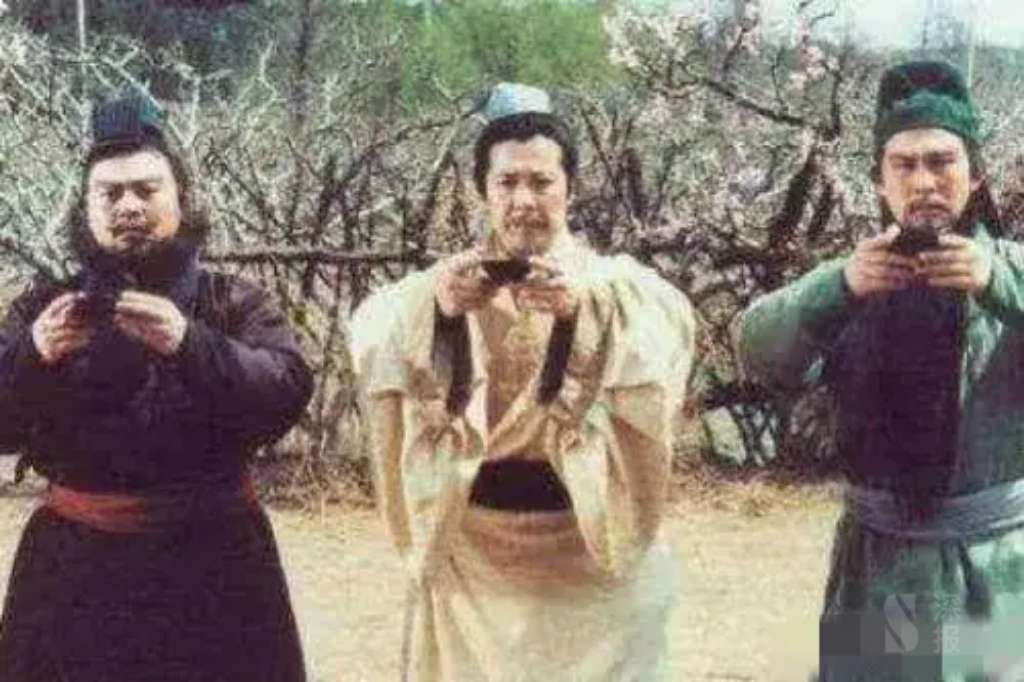
涿州的桃园三结义故里,是刘关张情谊的见证之地。东汉末年黄巾起义爆发,刘备在涿县举兵,与关羽、张飞结下了超越血缘的情谊。《三国志》虽未记载桃园结义的仪式,却明确提及三人“寝则同床,恩若兄弟”。这支由乡勇、商贩、屠户组成的队伍,以“上报国家,下安黎庶”为信念,在涿州这片土地上迈出了创业的第一步,也让“忠义”文化在这里埋下了最初的种子。

纵观刘备的一生,其创业之路远比曹操、孙权更为艰难。他半生颠沛流离,屡战屡败,先后依附于公孙瓒、陶谦、曹操等多位诸侯,却始终未曾放弃兴复汉室的理想。这种百折不挠的韧性,正是涿州人骨子里的倔强与坚韧。作为自称中山靖王之后的草根,刘备凭借“人和”立足,他待人谦和、礼贤下士,三顾茅庐请诸葛亮出山的典故,成为求贤若渴的千古典范。当阳撤退时,他不忍舍弃十万百姓,甘愿放慢脚步与民众同行,这份以人为本的仁心,让他在乱世中赢得了民心。

公元221年,刘备于成都称帝,建立蜀汉政权。尽管最终未能实现兴复汉室、还于旧都的夙愿,但蜀汉的正统性与忠义精神,成为三国历史中熠熠生辉的篇章。刘备为涿州留下了深刻的印记,让这座城市与三国、英雄、忠义紧密相连。楼桑春社的庙会、街头的评书大鼓,处处都传颂着他的故事。

从涿县布衣到三分天下的帝王,刘备的一生诠释了“英雄不问出处”的真谛。他以大志、信义与坚韧,书写了一段传奇,成为涿州的骄傲,更是中华民族精神的缩影。他的生命始于楼桑的桑树,终于白帝城的托孤,但他留下的“忠义”精神,如涿州古城墙一般坚不可摧,历久弥新。楼桑春深,帝业已逝,而英雄之气,万古长存。


(刘会军 2026.1.18 涿州)
(字数:998字)
"Notes on Zhuozhou" 03

Emperor Zhaolie of Han: Liu Bei

Liu Bei (161 AD - 223 AD), styled Xuande, was the founding emperor of the Shu Han during the Three Kingdoms period. His hometown was Lou sangmiao Village, south of present-day Zhuozhou in Hebei Province. He lost his *ther in his childhood and made a living by weaving mats and selling sandals with his mother. However, the impoverished life *iled to dampen his lofty aspirations.

At the southeast corner of his former residence stood a five-z丈 tall mulberry tree, with luxuriant branches and leaves like the canopy of a carriage. Passers-by all said this tree was extraordinary. When Liu Bei was a child, he playfully said, "I will surely ride in a carriage with such a feathered canopy." This remarkable remark fully revealed his inherent leadership qualities and great ambitions. Zhuozhou, located in the land of Yan and Zhao, where people are known for their generosity, readiness to sing dirges for heroes, and emphasis on martial spirit and righteousness, has deeply integrated into his blood, becoming the spiritual foundation for his lifelong journey闯荡 the world. His childhood also shaped the tenacious底色 of his character.

The hometown of the Oath in the Peach Garden in Zhuozhou is a witness to the friendship between Liu Bei, Guan Yu, and Zhang Fei. When the Yellow Turban Rebellion broke out in the late Eastern Han Dynasty, Liu Bei raised troops in Zhuoxian County and formed a bond with Guan Yu and Zhang Fei that transcended blood ties. Although "Records of the Three Kingdoms" does not record the ceremony of the Peach Garden Oath, it clearly mentions that the three "slept in the same bed and were as close as brothers." This team, composed of village braves, merchants, and butchers, with the belief of "serving the country above and pacifying the common people below," took the first step of their undertaking on the land of Zhuozhou, and also planted the initial seeds of "loyalty and righteousness" culture here.

Looking at Liu Bei's life, his path to founding a state was *r more difficult than that of Cao Cao and Sun Quan. He wandered about for half his life, suffering repeated defeats. He successively took refuge with many warlords such as Gongsun Zan, Tao Qian, and Cao Cao, but never gave up his ideal of restoring the Han Dynasty. This indomitable resilience is precisely the stubbornness and tenacity in the bones of Zhuozhou people. As a commoner claiming to be a descendant of Prince Jing of Zhongshan, Liu Bei established himself by virtue of "harmony with people." He treated others modestly and respected talented scholars. The allusion of visiting Zhuge Liang three times in his thatched cottage to invite him to serve became a timeless model of eagerness for talent. When retreating from Dangyang, he could not bear to abandon 100,000 common people and was willing to slow down to walk with them. This kindness of putting people first made him win the hearts of the people in the chaotic times.

In 221 AD, Liu Bei proclaimed himself emperor in Chengdu and established the Shu Han regime. Although he ultimately *iled to fulfill his long-cherished wish of restoring the Han Dynasty and returning to the old capital, the legitimacy and spirit of loyalty and righteousness of Shu Han became a brilliant chapter in the history of the Three Kingdoms. Liu Bei left a deep mark on Zhuozhou, closely linking this city with the Three Kingdoms, heroes, and loyalty and righteousness. The temple *ir of Lou Sang Spring Festival and the storytelling and drum performances on the streets all sing praises of his stories.

From a commoner in Zhuoxian County to an emperor who divided the country into three parts, Liu Bei's life interpreted the true meaning of "a hero's origin is not to be questioned." With great aspirations, *ithfulness, and tenacity, he wrote a legend, becoming the pride of Zhuozhou and even an epitome of the Chinese national spirit. His life began with the mulberry tree in Lou Sang and ended with the entrusting of his son in Baidi City, but the spirit of "loyalty and righteousness" he left behind, like the ancient city wall of Zhuozhou, is indestructible and ever-lasting. The spring in Lou Sang is in full bloom, the imperial cause has passed, but the heroic spirit will last forever.

(Liu Huijun, Zhuozhou, January 18th, 2026)
(Word count: 998)

回复

使用道具 举报

 楼主| 发表于 2026-1-24 07:38:20 | 显示全部楼层
《札记·涿州》04

涿郡张飞

涿郡沃野属燕赵故地,育壮士、诞猛臣,汉桓侯张飞翼德乃此间千古英杰。其故里在涿州西南忠义店,旧名桃庄,因刘关张桃园结义易名,以彰忠义,至今古井犹存,遗迹昭然,诉说着这位燕人猛将的传奇。

飞少时家道殷实,有田庄桃园,以屠沽为业,性刚烈勇猛,常与乡里孩童角力,桀骜难驯。其父屡请塾师皆被气走,幸得舅氏引荐,拜归隐武将王养年为师。王公文武兼备,见飞骨相不凡,授其《春秋》《孙子兵法》与枪矛绝技,更教书法绘美人、穿针引线磨心性。数载苦修后,飞通韬略、擅翰墨,绘美人名动乡里,摩崖书法遒劲雄浑,纪昀曾叹“慷慨横戈百战余,桓侯笔札定然疏。哪知拓本摩崖字,车骑将军手自书”,足证其文武兼修,非徒有勇力。

中平元年黄巾乱起,天下鼎沸。刘备在涿郡招兵买马,飞与关羽一见倾心,三人于庄中桃园结义,誓共扶汉室、生死与共。自此,飞执丈八蛇矛随玄德辗转南北,讨黄巾时勇冠三军,守下邳虽醉酒失城,却知过思改,愈发沉稳。

建安十三年,曹操挥师南下,刘备携民渡江兵败长坂坡。危急之际,飞仅率二十骑断后,立马当阳桥断桥拒敌,厉声大喝:“我乃燕人张翼德也!谁敢与我决一死战?”声震寰宇,曹军众将心惊胆寒,无人敢前,刘备得以脱险。此役,飞既以勇立威,更设疑兵扬尘惑敌,尽显粗中有细之智,成千古佳话。

西川之战,飞率军溯江而上兵临江州,守将严颜死守不降,被俘后怒斥张飞,风骨凛然。飞见其忠勇,反亲解其缚、待以宾礼,终令严颜归降,尽显识才爱才胸襟,为取西川扫清障碍。宕渠一战,飞与张郃相持五十余日,巧诱敌军入狭窄山道分兵突袭,大破张郃,令曹军不敢南向,保巴西之地无虞,用兵之谋不输良将。

飞一生敬君子而不恤小人,刘备屡劝未改。章武元年,关羽败走麦城为东吴所害,刘备兴兵伐吴,飞奉命自阆中出兵。临行前夜,因鞭挞部将遭暗算,身首异处,一代猛将殒于宵小之手,悲哉!其首葬云阳,身葬阆中,魂归涿郡,千秋祭祀香火不绝。

千载之下,涿州张飞古井仍映日月,桃园春风依旧拂面。世人多知张飞之勇,鲜识其文、忘其智。他是燕赵铁血男儿,蜀汉开国功臣,忠义贯日月,智勇炳千秋。涿郡因飞增辉,三国因飞添彩,桓侯英魂永留涿水之滨,激励后世守忠义、怀智勇,不负燕赵豪杰之名。飞曾受封西乡侯,爵位传于次子。

(刘会军 2026.1.25 涿州)
(字数:986字)


英文翻译:"Notes on Zhuozhou" 04

Zhang Fei of Zhuojun

The fertile land of Zhuojun, part of the ancient Yan and Zhao regions, nurtures valiant warriors and gives birth to fierce ministers. Zhang Fei, styled Yide, posthumously known as Marquis Huan of Han, is an eternal hero of this place. His hometown is Zhongyi (Loyalty and Righteousness) Store in the southwest of Zhuozhou, formerly named Taozhuang (Peach Village). It was renamed after Liu Bei, Guan Yu, and Zhang Fei took an oath in the peach garden to highlight their loyalty and righteousness. To this day, the ancient well there still exists, with clear traces telling the legend of this fierce warrior from Yan.

In his youth, Zhang Fei's family was well-off, owning farmland and a peach garden, and he made a living by butchering and selling wine. He was fiery-tempered and brave, often wrestling with village children, unruly and hard to tame. His father repeatedly invited private tutors, but all were driven away in anger. Fortunately, his uncle recommended him to Wang Yangnian, a retired military officer. Master Wang was versed in both literary and martial arts. Seeing that Zhang Fei had an extraordinary physique, he taught him The Spring and Autumn Annals, The Art of War by Sun Tzu, and exquisite spear skills, and even taught him calligraphy, painting of beauties, and threading needles to temper his temperament. After years of hard training, Zhang Fei became proficient in strategies, skilled in calligraphy, and his paintings of beauties were famous in the village. His cliff inscriptions were forceful and vigorous. Ji Yun once sighed, "After a hundred battles with generous spirit and wielding a spear, Marquis Huan's writings must be careless. Who would have known that the characters on the rubbing from the cliff were written by the General of Chariots and Cavalry himself?" This fully confirms that he was versed in both literary and martial arts, not just having brute strength.

In the first year of Zhongping (184 AD), the Yellow Turban Rebellion broke out, throwing the whole country into chaos. Liu Bei recruited soldiers in Zhuojun. Zhang Fei and Guan Yu felt an immediate affinity for Liu Bei, and the three took an oath in the peach garden of the village, vowing to jointly support the Han Dynasty and share life and death. From then on, Zhang Fei, holding his serpent-spear, followed Xuande (Liu Bei) as he traveled north and south. He was the bravest among the troops when suppressing the Yellow Turbans. Though he lost the city of Xiapi due to drunkenness, he acknowledged his mistake and became more steady.

In the thirteenth year of Jian'an (208 AD), Cao Cao led his army south. Liu Bei, leading the people across the Yangtze River, was defeated at Changban Slope. In the critical moment, Zhang Fei led only twenty cavalry to hold the rear. He stood by the broken Dangyang Bridge to resist the enemy, shouting loudly, "I am Zhang Yide from Yan! Who dares to fight me to the death?" His voice shook the world, and the generals of Cao's army were terrified, no one daring to advance, allowing Liu Bei to escape. In this battle, Zhang Fei not only established his authority with bravery but also set up a decoy force to stir up dust and confuse the enemy, fully showing his wisdom that lay beneath his roughness, becoming an eternal story.

In the battle for Xichuan, Zhang Fei led his army upstream along the river and reached Jiangzhou. The defending general Yan Yan held out and refused to surrender. After being captured, Yan Yan angrily rebuked Zhang Fei with unyielding integrity. Seeing his loyalty and courage, Zhang Fei instead personally untied him, treated him with courtesy as a guest, and finally persuaded Yan Yan to surrender, showing his broad mind in recognizing and cherishing talent, clearing obstacles for the capture of Xichuan. In the Battle of Dangqu, Zhang Fei confronted Zhang He for more than fifty days. He cleverly lured the enemy into a narrow mountain road and sent troops to launch a surprise attack, thoroughly defeating Zhang He, making Cao's army dare not move south and ensuring the safety of Brazil. His military strategy was no less than that of excellent generals.

Zhang Fei respected gentlemen but was harsh on his subordinates. Liu Bei advised him repeatedly, but he did not change. In the first year of Zhangwu (221 AD), Guan Yu was defeated, fled to Maicheng, and was killed by the Eastern Wu. Liu Bei raised an army to attack Wu, and Zhang Fei was ordered to send troops from Langzhong. On the night before departure, he was assassinated by his subordinates whom he had whipped, his body and head separated. What a tragedy that such a great warrior died at the hands of villains! His head was buried in Yunyang, his body in Langzhong, and his soul returned to Zhuojun, with sacrifices continuing through the ages.

After a thousand years, the ancient well of Zhang Fei in Zhuozhou still reflects the sun and moon, and the spring breeze in the peach garden still brushes the face. The world mostly knows Zhang Fei's bravery, but few know his literary talent and forget his wisdom. He was a valiant man of Yan and Zhao, a founding hero of Shu Han, with loyalty and righteousness shining through the sun and moon, and wisdom and courage illuminating the ages. Zhuojun is glorified by Zhang Fei, and the Three Kingdoms are enriched by him. The heroic spirit of Marquis Huan remains forever on the banks of the Zhuo River, inspiring future generations to uphold loyalty and righteousness, cherish wisdom and courage, and live up to the name of heroes from Yan and Zhao. Zhang Fei was once granted the title of Marquis of Xixiang, and the title was passed down to his second son.

(Liu Huijun, Zhuozhou, January 25th, 2026)
(Word count: 986)


回复

使用道具 举报

发表回复

您需要登录后才可以回帖 登录 | 注册会员

本版积分规则

快速回复 返回顶部 返回列表