中国门球网

 找回密码
 注册会员

扫一扫,访问微社区

QQ登录

只需一步,快速开始

版主专区

社区广播台

查看: 37|回复: 9
收起左侧

双语札记:涿州八景

[复制链接]
发表于 2026-9-7 10:43:45 | 显示全部楼层 |阅读模式
双语札记:涿州八景

目录

     
1、通会灯市
2、双塔晴烟
3、拒马长虹

4、胡良晓月
5、邵村花田

6、督亢秋成
7、楼桑春社
8、盘坡积雪


 楼主| 发表于 2026-9-7 10:48:16 | 显示全部楼层
涿州八景考(督亢风物文史札记)


涿州素有“天下第一州”美誉,这里山川灵秀、文脉绵长。“涿州八景”作为古城标志性文化IP,是历代风物、民俗、地貌、城建的高度凝练,也是涿州最具代表性的乡土文化名片。国内诸多历史名城皆有“八景”文脉,是古人对一方水土风貌的系统总结。鲜为人知的是,涿州八景历经迭代演变,分为元明古八景与清代新八景两套体系。千百年来,伴随政区更迭、城池兴废、河道变迁,部分古景脱离今涿州辖区,地貌风貌也几经改观。梳理八景源流、考证历史沿革,是传承古城文脉、解读涿州乡土历史的重要功课。

元明时期,涿州景观定名“涿鹿八景”,分别为:通会疏雨、楼桑春暮、月池秋风、胡良晓月、龙安叠翠、垩峪生云、盘坡夕照、房山晴雪。彼时涿州辖境辽阔,囊括今涞水、北京房山等大片山地区域,景致多以山野自然风貌为主。明清交替之后,县域边界重新勘定裁并,西部山地景致划出属地。同时城区地貌悄然变迁,通会楼从观雨雅景转型为元宵灯会核心地标,城中月池逐渐淤平枯竭,远山景致尽数脱离辖区。清代方志结合当代风貌重新勘定整编,最终定型并沿用至今的全新涿州八景:通会灯市、双塔晴烟、拒马长虹、胡良晓月、邵村花田、督亢秋成、楼桑春社、盘坡积雪。

逐景考证,配平仄工整、通篇同韵七言绝句:

通会灯市
华灯焕彩映层楼,盛世和风润古州。
千载元宵承雅韵,流光不绝续千秋。
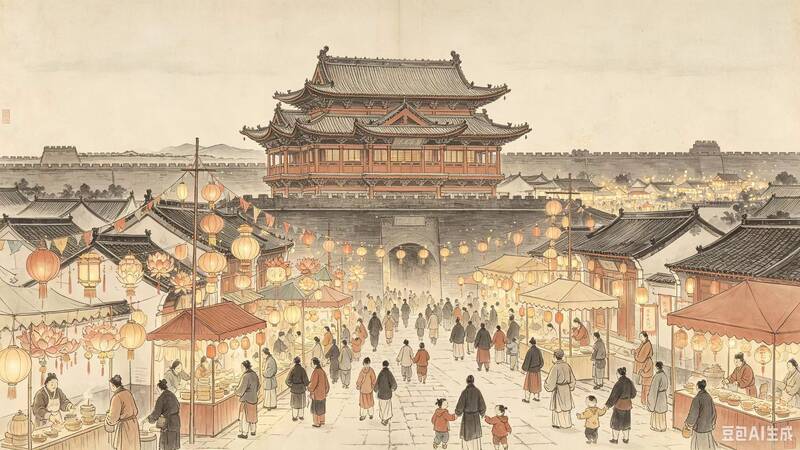
此景以古城通会鼓楼为核心,元明旧景“通会疏雨”,描摹春雨绕城、楼台清幽的雅致意境。清代元宵民俗日趋鼎盛,长街牌楼林立、花灯万盏、民俗荟萃,享有“南有扬州,北有涿州”的美誉。帝王御题加持,让灯市声名远播。古楼虽于民国拆除,但元宵赏灯民俗代代传承,延续着古城千年繁华。

双塔晴烟
双塔凌云峙幽州,轻烟缭绕岁华悠。
风霜历尽姿恒古,静守督亢四季秋。
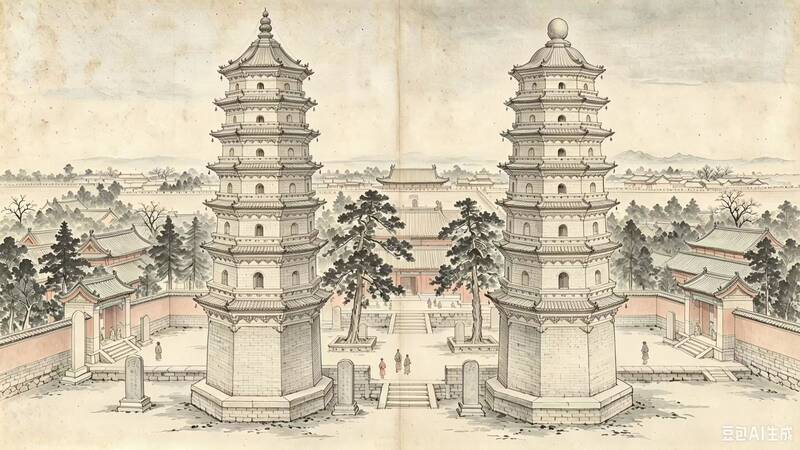
城东北辽代双塔南北对峙,分别建于1031年与1092年。晴日无风之时,塔顶烟霭缥缈萦绕,空灵清幽。双塔历经岁月风霜、地震战火,经世代修缮完好留存,姑嫂修塔的民间传说广为流传,是八景中保存最完整的千年古建瑰宝。

拒马长虹
清流曲水绕幽州,石拱横空碧浪悠。
影落沧波如彩虹,阅尽燕南岁月秋。
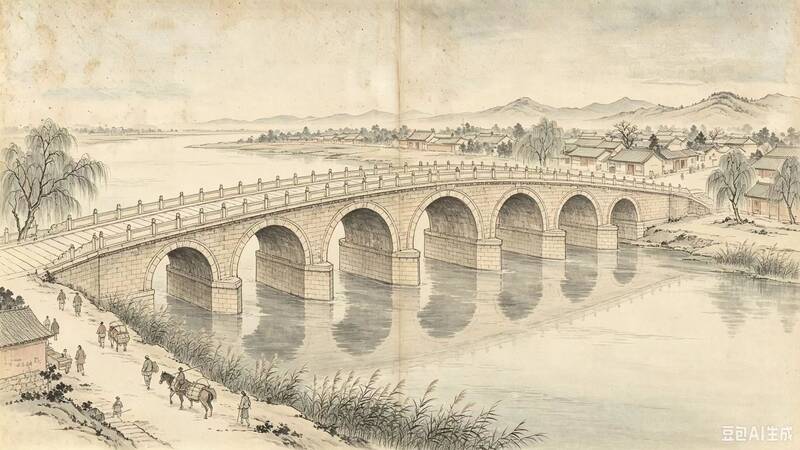
城北永济桥始建于明万历年间,九孔巨拱恢弘壮阔,横跨拒马河碧波之上。桥身倒映水面,宛若长虹卧波,故名“拒马长虹”。作为华北经典古桥遗存,被誉为“中国第一长石拱桥”,见证着涿州千年水陆商贸繁华。

胡良晓月
长桥静卧碧溪悠,残月疏星映浅流。
晓色初开尘境寂,清辉十里润幽州。
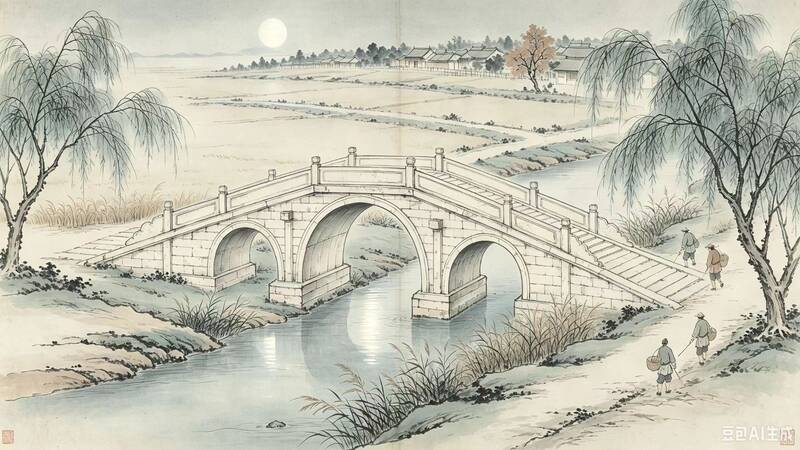
城北胡良桥为明代敕建五孔石桥,形制古朴雅致。每至破晓时分,残月悬空、水光清冷,桥影月影交叠相融,晨鸡鸣野、行人渡桥,意境清幽诗意盎然,是涿州极具代表性的晨晓古韵胜景。

邵村花田
千畴碧水漾轻柔,胜似江南落燕州。
翠浪临风铺沃野,乡园风月岁华悠。
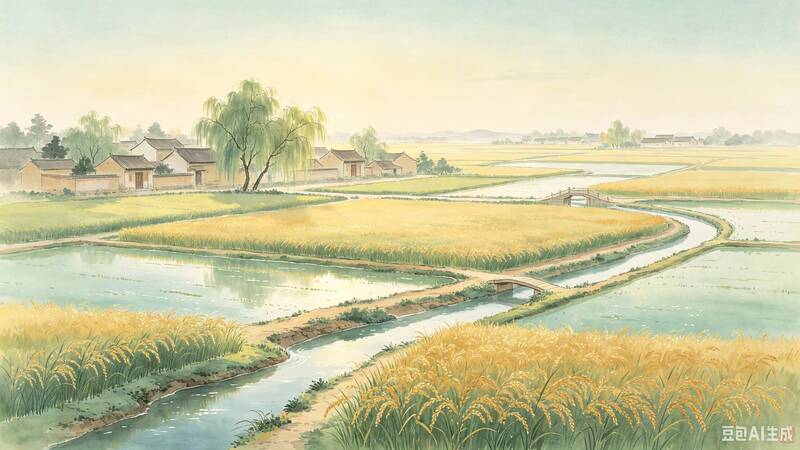
城西邵村依托天然活水自流灌溉,良田连片阡陌纵横。所谓花田,并非繁花遍野,而是万顷水田。春夏碧波荡漾,金秋稻浪鎏金,独具江南水乡风貌,在北方平原独树一帜,清雅田园风韵流传至今。

督亢秋成
督亢平畴古燕州,金风拂陌熟新畴。
年年稔福酬桑梓,沃野恒昌万古秋。
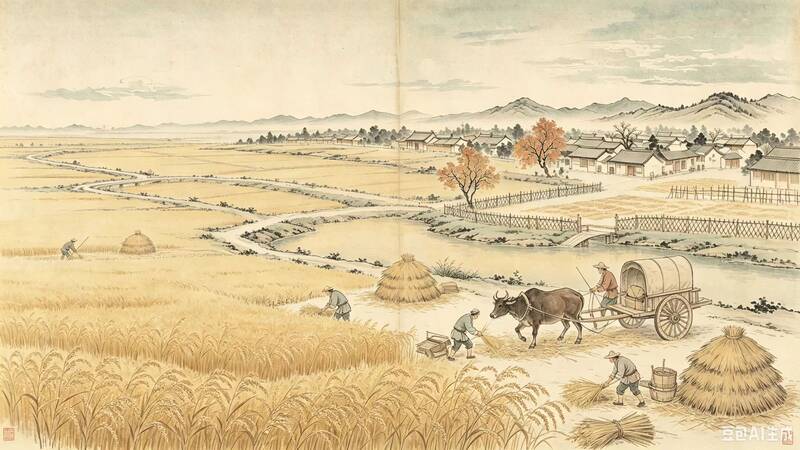
涿州东南为古督亢腹地,是战国燕地核心粮仓,因督亢文脉千古留名。金秋时节,千里平畴谷物成熟、遍地金黄,岁岁五谷丰登、岁稔年丰,承载着一方百姓勤耕不辍、四季丰收的美好愿景。

楼桑春社
楼桑古里越千秋,三义高风贯幽州。
春社熙熙聚贤众,忠魂雅韵续新秋。
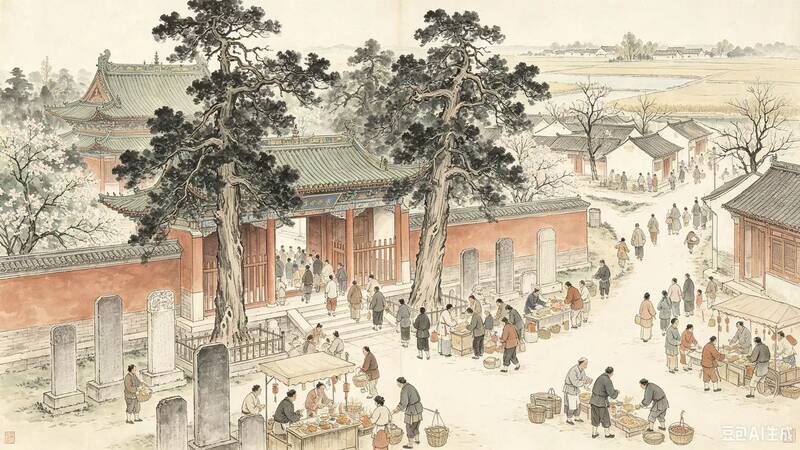
城南楼桑为三国贤圣故里,三义宫忠义文脉绵延千载。每至春分时节,春社盛会如期开启,四方百姓云集祈福、赶集观戏,商贾云集、香火鼎盛,千年民俗生生不息,铸就涿州独有的忠义人文盛景。

盘坡积雪
层峦叠翠耸荒洲,素雪凝寒四季留。
旧隶涿疆存雅韵,一山清景阅千秋。
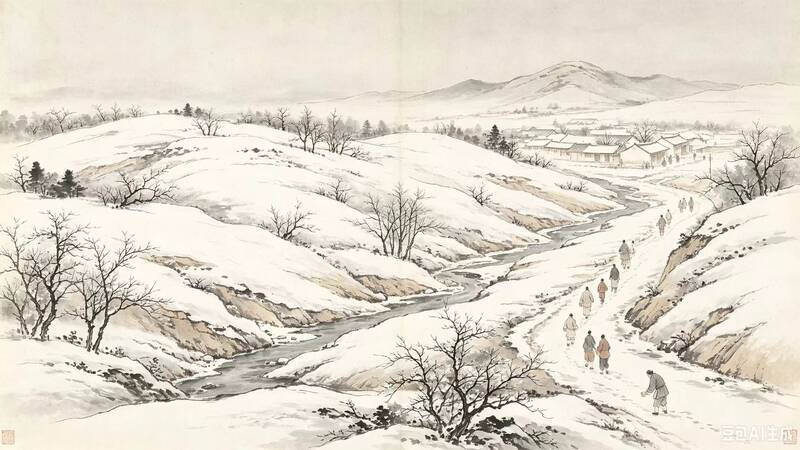
盘坡即古三坡群山,旧时隶属涿州,今归涞水管辖。群山巍峨叠翠,冬雪经久不化,春夏峰顶仍存皑皑白雪,景致清绝壮阔。虽属地几经更迭,仍列入八景序列,成为记录涿州古代疆域变迁的珍贵文史印记。

纵观清代定型八景,集古建风骨、河桥山水、田园农耕、民俗忠义于一体,景致齐全、文脉厚重。八处胜景跨越数百年岁月,或古迹犹存、风貌依旧,或景致变迁、文脉永续,或属地更迭、美名留存。涿州八景,不止是一方风物的集中展现,更是督亢大地千年兴衰的鲜活见证,承载着古城独有的山水底蕴与人文精神,是值得后世永久梳理、研究、传承的乡土文化瑰宝。
(1000字)

词条摘录
涿州八景分为元明“涿鹿古八景”与清代修订版八景。清代定型八景为:通会灯市、双塔晴烟、拒马长虹、胡良晓月、邵村花田、督亢秋成、楼桑春社、盘坡积雪。其中盘坡积雪今属涞水,通会楼已损毁;双塔、永济桥、胡良桥、三义宫等古迹完好留存。八景的迭代变迁,清晰映照出涿州政区沿革、城池兴衰、民俗传承的发展脉络,是古城不可复刻的珍贵文化符号。

作者简介
刘会军,长期从事涿州地方文史资料搜集、考证、整理与乡土文化传播工作。

免责声明
本文为督亢风物文史札记,综合历代方志、碑刻及文史研究成果整理撰写,仅作文史存档与乡土文化公益交流使用。
--------------------------------------------------------------------

A Study of the Eight Sights of Zhuozhou

(Cultural‑Historical Notes on Dukang Heritage)

Preface

Known as “the No. 1 Prefecture Under Heaven”, Zhuozhou is blessed with graceful landscapes and an enduring cultural legacy. The Eight Sights of Zhuozhou, an iconic cultural symbol of the ancient city, distills local scenery, folk customs, landforms and urban construction across dynasties. It is also Zhuozhou’s most distinguished cultural calling‑card. Many historic cities in China have their own “Eight Sights”, a traditional way for ancient people to summarise regional identity. Few realise, however, that Zhuozhou’s list has evolved over time. There exist two versions: the older “Eight Sights of Zhuolu” from the Yuan‑Ming dynasties, and the revised “Eight Sights of Zhuozhou” established under the Qing. Through centuries of administrative reorganisation, urban rise and decline, and river‑course shifts, some landmarks now lie outside modern‑day Zhuozhou. Tracing their origins and evolution is essential for preserving local heritage and understanding the city’s history.

In the Yuan‑Ming period, the eight scenic wonders were named the Eight Sights of Zhuolu:
Tonghui Shuyu (Misty Rain at Tonghui Gate),
Lousang Chunmu (Late‑Spring Charm at Lousang),
Yuechi Qiufeng (Autumn Breeze over Moon Pond),
Huliang Xiaoyue (Dawn Moon above Huliang Bridge),
Long’an Diecui (Verdant Ridges of Long’an),
Eyu Shengyun (Clouds above Eyu Valley),
Panpo Xizhao (Sunset over Panpo),
Fangshan Qingxue (Clear Snow on Fangshan Mountain).

At that time Zhuozhou covered an extensive territory including present‑day Laishui and the Fangshan District of Beijing, dominated by mountain landscapes. After the Ming‑Qing transition, county boundaries were redrawn and the western highlands were transferred to other jurisdictions. Within the city, the Tonghui Tower, once admired for spring drizzle, became the centre of Lantern‑Festival celebrations. Moon Pond gradually silted up and vanished. Drawing on contemporary conditions, Qing‑dynasty compilers revised the catalogue into the form still recognised today:
Tonghui Dengshi (Lantern Fair at Tonghui Gate),
Shuangta Qingyan (Clear Mist over the Twin Pagodas),
Juma Changhong (Rainbow‑Shaped Juma Bridge),
Huliang Xiaoyue (Dawn Moon above Huliang Bridge),
Shaocun Huatian (Water‑Fields of Shaocun),
Dukang Qiucheng (Autumn Harvest on the Dukang Plain),
Lousang Chunshe (Spring Temple Fair at Lousang),
Panpo Jixue (Snow‑Capped Panpo Hills).

Each sight is examined below, accompanied by a regulated seven‑character quatrain with consistent rhyme and balanced tonal pattern:

Lantern Fair at Tonghui Gate
Bright lanterns gild the tower’s lofty height,
Soft winds of peace the ancient town delight.
For thousand years the Lantern Feast survives,
Streaming radiance through eternal lives.

This sight centres on Tonghui Drum‑Tower. Its Yuan‑Ming title Misty Rain at Tonghui Gate evokes a tranquil scene of spring drizzle drifting around city towers. In the Qing dynasty, the Lantern Festival grew increasingly magnificent. Seventy‑two decorated archways lined the main street, thousands of lanterns glowed, and folk‑art performances filled the thoroughfares. A famous saying arose: “In the south there is Yangzhou; in the north there is Zhuozhou.” An imperial inscription by the Qianlong Emperor spread the fair’s reputation far and wide. Though the tower was demolished in the Republican era, the lantern‑viewing tradition has been handed down, sustaining the city’s age‑old prosperity.

Clear Mist over the Twin Pagodas
Twin pagodas pierce the Youzhou sky,
Light wreathing mist through time drifts by.
Through wind and frost their forms remain,
Guarding Dukang through season’s reign.

Northeast of the old city stand two Liao‑dynasty pagodas, built respectively in 1031 and 1092. On calm, clear days, faint vapour curls above their summits in an ethereal display. Surviving earthquakes, warfare and the passage of time, they have been repeatedly restored. The folk tale of two sisters who built the pagodas remains widely told. They are the best‑preserved architectural treasure among the eight sights.

Rainbow‑Shaped Juma Bridge (Yongji Bridge)
Clear winding streams through Youzhou glide,
A stone‑arch bridge spans the tide.
Its mirrored arc like rainbow gleams,
Witnessing southern Yan’s long‑flowing dreams.

Yongji Bridge was constructed during the Wanli reign of the Ming dynasty. Its nine grand arches span the Juma River. The bridge’s reflection on the water resembles a rainbow, hence the name. Renowned as China’s longest stone‑arch bridge in North China, it bears witness to Zhuozhou’s centuries‑old prosperity as a hub for water‑borne and overland trade.

Dawn Moon above Huliang Bridge
The long bridge rests above the brook’s slow flow,
The waning moon and sparse stars on it glow.
When dawn arrives the mortal world grows still,
Ten‑li clear radiance sweetens Youzhou’s hill.

Huliang Bridge is a five‑arch stone structure commissioned by imperial order in the Ming. Before sunrise, the waning moon hangs low; bridge‑shadows and moon‑shadows ripple on the water. Roosters crow in farmlands, travellers cross the bridge. This serene dawn scene has long inspired poets and represents one of Zhuozhou’s most evocative ancient views.

Water‑Fields of Shaocun
Broad water‑plots with gentle ripples shine,
A Jiangnan‑like view in Yanzhou fine.
Green waves before the wind across rich lands roll,
Rural charms endure as seasons stroll.

West of Zhuozhou, the village of Shaocun benefits from natural irrigation channels feeding an extensive network of farmland. The name “flower‑fields” does not mean flower gardens, but vast rice paddies. In summer, they shimmer green; in autumn, golden ripples sweep across the land. This southern‑style landscape is distinctive on the northern plain, its pastoral charm preserved to this day.

Autumn Harvest on the Dukang Plain
The Dukang plain once lay in ancient Yan,
Golden breezes ripen every grain.
Each fruitful year rewards our native earth,
Fertile lowlands hold perpetual worth.

Southeast of Zhuozhou stretches the Dukang Plain, the granary of the Yan State during the Warring‑States period, famed through the story of the Dukang Map. In autumn, ripening crops turn the plains golden. Bountiful harvests year after year embody local farmers’ hopes for diligent labour and abundant yields.

Spring Temple Fair at Lousang
Lousang’s old hamlet spans a thousand years,
The Three Righteous Men’s noble spirit clears.
Spring fairs draw crowds of guests from far‑flung lands,
Loyalty and grace revive through new demands.

Lousang is the legendary hometown of Liu Bei, hero of the Three Kingdoms. The Sanyi Palace honours the Peach‑Garden Oath, keeping the spirit of loyalty alive. Around the Spring Equinox, the spring fair opens. Pilgrims gather to pray, browse market stalls and watch performances. Traders throng the streets, incense fills the temple. This living folk custom has created a unique cultural spectacle of righteousness for Zhuozhou.

Snow‑Capped Panpo Hills
Layered green peaks rise toward the cloud‑veiled sky,
White snow endures when other frosts pass by.
Once within Zhuozhou’s old boundary line,
This mountain view outlives all change of time.

Panpo refers to the Sanpo mountain range. Historically part of Zhuozhou, it now belongs to Laishui County. The lofty mountains retain patches of snow well into spring. Though administratively transferred, it stays listed among the eight sights as tangible evidence of Zhuozhou’s shifting historical borders.

Taken together, the eight Qing‑dynasty sights combine monumental architecture, riverside scenery, agrarian civilisation and folk ethics. Some monuments remain intact; some landscapes have transformed; one sight lies outside today’s administrative boundary. Far more than pretty views, the Eight Sights of Zhuozhou record the rise and fall of the Dukang region over millennia. They embody the city’s unique landscape identity and humanistic spirit, a precious local heritage worthy of continued research, documentation and transmission by future generations.

Abstract
The Eight Sights of Zhuozhou include the Yuan‑Ming “Eight Sights of Zhuolu” and the revised Qing‑dynasty version. The eight titles are: Lantern Fair at Tonghui Gate, Clear Mist over the Twin Pagodas, Rainbow‑Shaped Juma Bridge, Dawn Moon above Huliang Bridge, Water‑Fields of Shaocun, Autumn Harvest on the Dukang Plain, Spring Temple Fair at Lousang, Snow‑Capped Panpo Hills. Panpo now belongs to Laishui; Tonghui Tower no longer stands. The Twin Pagodas, Yongji Bridge, Huliang Bridge and Sanyi Palace survive. The evolution of the eight sights mirrors Zhuozhou’s administrative history, urban vicissitudes and folk‑custom continuity, forming irreplaceable cultural symbols of the ancient city.

About the author
Liu Huijun has long been engaged in collecting, verifying, editing and disseminating local‑history materials from Zhuozhou.

Disclaimer
This cultural‑historical note is compiled from local gazetteers, stone inscriptions and previous research. It is intended solely for historical archiving and non‑profit exchange of local cultural heritage.


回复

使用道具 举报

 楼主| 发表于 2026-9-7 11:14:50 | 显示全部楼层
通会灯市考(督亢风物文史札记)

微信图片_20260907125523.jpg

通会灯市位列清代涿州八景之首,是古城最富烟火气息的人文胜景。它以城内通会楼(俗称鼓楼)为中心,是一项传承千年的元宵民俗。许多人并不知晓,这处景观在元明时期还有一个雅致的前身——“通会疏雨”。一景两名的演变,映照出涿州城市格局、民俗风尚数百年间的沧桑变迁。

通会楼矗立于古城夹城通会门之上,楼座至迟始建于元代,明代历经多次重修。台基之上建有重檐三间楼阁,楼高四丈。楼上左侧悬大钟,右侧置大鼓,晨钟暮鼓,司时报更,既是古城的地理中心,也是全城的时间坐标。元明之时,文人雅士喜登此楼,观赏春雨霏霏的景致。细雨轻洒城头,云雾漫过城垛,街巷屋舍在烟雨里若隐若现,意境清幽,于是“通会疏雨”被列入早期“涿鹿八景”。彼时登楼听雨赏景是文人雅趣,热闹的大型灯市尚未形成。

入清之后,风俗为之一变。涿州地处京南咽喉要道,南北商旅络绎不绝,元宵灯会一年盛过一年。自通会楼向南直达南城门的长街上,架设七十二座木质灯牌楼,四座街口搭起七座大型灯棚,各式花灯层层罗列,流光溢彩。走马灯、八卦灯、人物故事灯琳琅满目。夜幕降临,龙灯、雄狮、高跷、旱船沿街巡游,锣鼓铿锵、丝竹齐鸣。百姓倾城出游,街巷摩肩接踵。旧志载其“火树齐开,星球碎挂,千家万户,燃烛通宵”,盛况空前。就这样,清幽的“通会疏雨”渐渐淡出,盛大的元宵灯会取而代之,定名“通会灯市”,载入清代《涿州志》,跻身新八景。

乾隆南巡途经涿州,登临通会楼,有感此地繁华冲要,御笔题写“天下第一州”,令通会灯市声名远播。民间流传“南有扬州,北有涿州”的佳话,将涿州花灯与江南灯会并称。元宵之夜,游人登鼓楼南望十里灯海,北观双塔微光,古塔剪影与长街灯火交相辉映。古人有诗:“春风初到月初圆,不夜城中沸管弦。万盏灯光双塔影,一时辉映鼓楼前。”生动定格了古城独有的夜色。

令人惋惜的是,见证数百年繁华的通会楼,在上世纪七十年代因道路拓宽被拆除。巍峨楼台消失于街巷,仅存一小段夯土台基;原“通会楼”石匾现珍藏于涿州博物馆,成为珍贵的历史物证。古楼虽逝,民俗不绝。一代代涿州人珍藏着元宵赏灯的集体记忆,接续古老传统。如今灯会定名为“中国·涿州花灯节”,活动场地由鼓楼老街向外拓展,以全新面貌重启千年灯火盛事。

通会灯市,早已不止一场元宵灯火,更是古城民俗转型的鲜活样本:由文人登楼听雨的清幽雅景,转为万民同乐的市井盛会;由一座巍峨鼓楼的实体地标,演变为薪火相传的民俗瑰宝。七十二座牌楼不复存在,鼓楼钟声不再回响,但万家团圆、喜庆祥和的文化内核,深深镌刻在涿州人的乡愁之中。

今天考证通会灯市,不只是追忆长街灯火、回望古楼盛景,更意在读懂一座古城守护民俗、接续文脉的坚守。灯火明灭之间,督亢大地的人文温度、涿州百姓的生活情怀,在光影流转中绵延不绝,历久弥新。
(1000字)

词条摘录
通会灯市居涿州八景之首。元明旧名“通会疏雨”,以登楼观春雨闻名。清代元宵灯会大兴,南大街布设七十二座灯牌楼,遂更名“通会灯市”。通会楼(鼓楼)近代拆除,石匾藏于涿州博物馆。灯会传承至今,发展为涿州花灯节,是当地重要非物质文化遗产。

作者简介
刘会军,长期从事涿州地方文史资料搜集、考证、整理与乡土文化传播。

免责声明
本文为督亢风物文史札记,综合历代方志、碑刻、文史研究成果撰写,仅作文史存档、乡土文化交流使用。


A Study of Tonghui Lantern Fair

(Dukang Cultural‑Historical Note)

Tonghui Lantern Fair ranks first among the Eight Scenic Sights of Zhuozhou in the Qing Dynasty. It is the most lively human‑cultural attraction of the old city. Centered on Tonghui Tower (commonly called the Drum Tower), it is a Lantern‑Festival folk tradition with more than one thousand years of history. Few people know that this site once bore an elegant earlier name in the Yuan‑Ming dynasties: Misty Rain at Tonghui Gate. The change of names reflects centuries‑long transformations in Zhuozhou’s urban layout and folk customs.

Tonghui Tower stood above Tonghui Gate of the outer city. Its base was built no later than the Yuan Dynasty and repeatedly reconstructed in the Ming. On the platform rose a three‑bay double‑eaved pavilion, about 13 metres high. A huge bell hung on the left and a big drum sat on the right. Bell and drum marked the hours at dawn and dusk. The tower functioned both as the geographic centre and the time‑keeping landmark of the walled city. In Yuan‑Ming times, literati loved climbing the tower to watch soft spring rain. Drizzle fell on the city wall, mist drifted over the battlements, and houses and lanes appeared and disappeared in haze. This quiet view, Misty Rain at Tonghui Gate, was listed among the early Eight Sights of Zhuolu. Back then tower‑viewing was an elegant pastime for scholars; large‑scale lantern celebrations had not yet emerged.

After the establishment of the Qing Dynasty, local customs greatly changed. Situated on the key thoroughfare south of the capital, Zhuozhou welcomed streams of merchants from north and south. Year by year, the Lantern Festival grew grander. Seventy‑two wooden decorated archways were erected along South Street from Tonghui Tower down to the southern city gate. Seven large lantern pavilions stood at four street intersections. Thousands of colourful lanterns — revolving lanterns, trigrams‑shaped lanterns, lanterns illustrating historical tales — were displayed everywhere. At night, dragon dances, lion dances, stilt‑walkers and land‑boats paraded along streets. Gongs, drums and wind‑instruments resounded. Nearly all townsfolk came out. Ancient records describe the scene: “Fire‑trees bloom together, star‑like lanterns hang scattered. Households burn candles through the whole night.” The quiet Misty Rain at Tonghui Gate gradually faded. The magnificent lantern fair took its place, formally named Tonghui Lantern Fair, recorded in the Zhuozhou Local Gazetteer of the Qing and listed among the new Eight Sights.

When the Qianlong Emperor travelled south, he stopped in Zhuozhou, climbed Tonghui Tower and admired its bustling strategic location. He inscribed the famous phrase “The No. 1 Prefecture Under Heaven”. Thereafter the lantern fair became widely known. A popular saying spread: “In the south there is Yangzhou; in the north there is Zhuozhou.” Tourists on the Drum Tower could gaze southward over a sea of lanterns stretching far, and northward toward the Twin Pagodas outlined against lamplight. An old poem captures this unique nightscape:
Spring breezes arrive, the moon turns round,
Music echoes through the sleepless town.
Ten‑thousand lanterns glow, pagoda‑shadows blend,
All shine before the Drum Tower, without end.

Sadly, Tonghui Tower, witness to hundreds of years of prosperity, was demolished in the 1970s for road‑widening. Its grand platform vanished, leaving only a small section of rammed‑earth foundation. The original stone plaque carved with “Tonghui Tower” is now preserved in Zhuozhou Museum as an important historical relic. Though the building is gone, the folk custom survives. Generations of Zhuozhou residents have kept the memory of lantern‑viewing alive. Today the event is officially named “China · Zhuozhou Lantern Festival”. Celebrations have expanded from the old Drum‑Tower Street to new venues, reviving the millennial tradition in modern forms.

Tonghui Lantern Fair is far more than a display of festival lights. It is a vivid example of folk‑custom transformation: from a quiet scholarly pastime to a mass carnival; from a stone‑and‑wood landmark to an intangible cultural heritage passed from generation to generation. The seventy‑two archways are gone, the drum‑tower bell no longer rings. But the cultural spirit of communal joy and festive harmony remains deeply rooted in local nostalgia.

Studying Tonghui Lantern Fair today means not only recalling old‑street lights and the lost tower, but also understanding how an ancient city preserves and renews its folk heritage. Through flickering lantern‑light, the human warmth of the Dukang Plain and the everyday feelings of Zhuozhou people flow on, enduring and ever‑renewed.

Abstract
Tonghui Lantern Fair ranks first among the Eight Sights of Zhuozhou. In Yuan‑Ming times it was known as Misty Rain at Tonghui Gate, famous for spring‑rain views from the city tower. In the Qing Dynasty the Lantern Festival flourished. Seventy‑two lantern archways lined South Street, hence the new name Tonghui Lantern Fair. Tonghui Tower (Drum Tower) was demolished in modern times; its stone plaque is kept in Zhuozhou Museum. The festival survives today as Zhuozhou Lantern Festival, a major local intangible cultural heritage.

About the author
Liu Huijun has long collected, verified, edited and promoted local‑historical materials of Zhuozhou.

Disclaimer
This cultural‑historical note draws on ancient gazetteers, stone inscriptions and academic research. It is published only for historical archiving and non‑profit local‑culture exchange.


回复

使用道具 举报

 楼主| 发表于 2026-9-7 11:54:11 | 显示全部楼层
双塔晴烟考(督亢风物文史札记)

微信图片_20260907125534.jpg

双塔晴烟位列清代涿州八景第二,是古城最具风骨的地标胜景。它坐落于城东北隅,两座辽代砖塔南北对峙,凌空而立,是矗立千年的城市象征。许多游人只知双塔巍峨,却未必知晓“晴烟”奇观的由来,一景含建筑、传说、气象、人文多重内涵,见证着督亢大地近千年的世事沉浮。

南塔名智度寺塔,建于辽太平十一年(1031年);北塔名云居寺塔,建于辽大安八年(1092年),两塔相距约三百米。南塔五级,北塔六级,同为八角仿木楼阁式砖塔,造型雄浑、砖雕精巧,是辽代建筑艺术的经典遗存 。双塔原本各属智度寺、云居寺两座辽代古刹,后来寺院殿宇陆续倾圮,唯有佛塔历尽风霜,孑然独存。民间流传着姑嫂修塔的优美传说:姑嫂二人相约连夜建塔,小姑勤勉建成六层北塔,嫂子因照料孩儿只筑五层南塔。故事代代口传,为古塔增添了浪漫温情的人文色彩 。

何为“双塔晴烟”?古志记载,每当天朗气清之时,双塔顶端常有淡淡青烟袅袅浮动,如烟似霭,缓缓升腾,久久不散。古人以为是地脉灵气汇聚塔顶,视为祥瑞奇观,于是将这一独特景象定名“双塔晴烟”,列入清代《涿州志》八景名录。后世有人从自然现象作出解释:晴日暖空气上升,微小飞虫成群盘旋于高塔顶端,远观便如一缕轻烟;也有人认为与塔身空心、地气扬尘有关。无论成因如何,千百年来,“塔顶浮烟”已经从一种自然奇观,升华为涿州人心中富有诗意的文化意象 。

双塔命运多舛,饱经劫难。1927年晋奉战争期间,涿州围城激战,南塔遭炮弹轰击,塔体局部坍塌,塔刹损毁,塔身裂痕纵横 。1976年唐山大地震,裂缝进一步扩张,古塔岌岌可危。千年地标风雨飘摇,一度让古城人为之揪心。此后,文物部门高度重视,历经长达九年的精细修缮,加固塔身、补配砖件、修复塔刹。2010年双塔修复工程竣工,古塔重焕雄姿,“双塔晴烟”胜景得以再现人间 。

在古代,双塔是远行者辨认涿州城的航标。由京南南下,平野之上,遥遥望见双塔剪影,便知已抵达天下第一州。乾隆南巡途经涿州,曾留下“双塔繁灯识涿州”的诗句,赞叹古塔雄姿与古城灯火交映的夜景。旧时元宵之夜,鼓楼长街花灯如海,游人向北眺望,双塔静立夜色之中,塔影与万家灯火相映成趣,正是古诗句中“万盏灯光双塔影,一时辉映鼓楼前”的动人画面。

如今,双塔已是全国重点文物保护单位。它不再只是一处气象奇观,更是一部砖石写成的史书:辽代的匠艺、民间的传说、战火的创伤、新时代的保护,层层叠叠刻在斑驳砖纹之上。晴烟或隐或现,古塔岿然不动。游人登临广场,仰望巍巍双塔,不再只寻觅一缕轻烟,更在触摸一段跨越辽、金、元、明、清直到当代的城市记忆。

考证双塔晴烟,不只是探究一种奇特天象,更是回望一座古城的精神坐标。通会楼已经消失于街巷,而双塔依旧守望督亢平原。砖石无言,风骨长存,古塔承载着涿州人深沉厚重的历史情怀,在岁月流转之中,生生不息。
(1000字)

词条摘录
双塔晴烟为涿州八景之一。城东北南北二塔即智度寺塔(1031年)、云居寺塔(1092年)。晴日常有轻霭浮于塔顶,古人视为祥瑞,故名双塔晴烟。古塔历经战火、地震损毁,2010年修缮竣工。姑嫂修塔传说广为流传。双塔现为全国重点文保单位,是涿州千年城市地标。

作者简介
刘会军,长期从事涿州地方文史资料搜集、考证、整理与乡土文化传播。

免责声明
本文为督亢风物文史札记,综合历代方志、碑刻、文史研究成果撰写,仅作文史存档、乡土文化交流使用。


A Study of Twin&#8209agoda Mist

(Dukang Cultural‑Historical Note)

Twin‑Pagoda Mist ranks second among the Eight Sights of Qing‑Dynasty Zhuozhou. Standing in the northeastern quarter of the old city, two imposing Liao‑dynasty brick pagodas face each other from afar. They have been the millennial landmark of Zhuozhou. Many visitors admire their grand silhouette yet may not fully understand the legend of “clear‑day mist”. This scenic spot combines architecture, folklore, meteorology and human memory, witnessing nearly a thousand years of vicissitudes across the Dukang plain.

The southern pagoda, Zhidu‑si Pagoda, was erected in 1031; the northern one, Yunju‑si Pagoda, in 1092. The two monuments stand roughly three hundred metres apart. The southern one has five storeys, the northern six. Both are octagonal brick pagodas built in the imitation‑timber Liao‑dynasty style, with refined brick‑carvings representing masterpieces of medieval Chinese architecture . Originally each belonged to a large Buddhist monastery. Later the temple buildings crumbled away, leaving only the pagodas exposed to wind and weather. A well‑known folk tale tells of a sister‑in‑law contest: one built the six‑storey northern tower through the night, while the other, interrupted by her crying child, finished only five storeys on the south. This warm legend has been passed down orally for generations .

What is “Twin‑Pagoda Mist”? According to old local gazetteers, on bright, still days faint wisps of vapour would drift above the pagoda tops, floating gently in the sunshine. People in ancient times regarded this ethereal haze as an auspicious sign endowed by the earth’s spiritual energy. Thus the romantic name Twin‑Pagoda Mist was adopted and formally recorded in the Zhuozhou Chronicle of the Qing Dynasty. Modern observers offer alternative explanations: swarms of tiny insects may hover above the tall structures in warm sunlight, appearing from a distance like thin smoke. Others suggest fine dust stirred inside the hollow towers. Whatever the physical cause, over centuries the “mist‑above‑pagodas” view has evolved from a curious natural phenomenon into a powerful poetic cultural symbol for local residents .

The twin pagodas endured countless disasters. During the 1927 Zhuozhou siege in the Zhili‑Fengtian war, shell‑fire severely damaged the southern pagoda. Parts of its masonry collapsed, its spire fell, and deep cracks spread across the brickwork . Further harm followed the 1976 Tangshan earthquake. For years the national‑heritage monument stood in precarious condition, worrying many citizens. Cultural‑heritage authorities launched a long‑term conservation project. After nine‑years’ careful restoration, the pagodas reopened in 2010. The famous scenic view of mist above the towers could once again be appreciated by visitors .

In former centuries, the twin pagodas served as a landmark for travellers coming south from the capital. Across the flat plain, their silhouettes announced arrival at “The No. 1 Prefecture Under Heaven”. The Qianlong Emperor wrote verses praising how pagodas and lantern‑lights together identified Zhuozhou. On Lantern‑Festival evenings, crowds strolled along Drum‑Tower Street. Looking northwards, they saw the dark pagoda outlines against a sea of festival lamps. This inspired the well‑known line: Ten‑thousand lanterns glow, pagoda‑shadows blend, all shine before the Drum Tower, without end.

Today the twin pagodas are listed as a Major Historical and Cultural Site Protected at the National Level. They are much more than a meteorological curiosity. Their brick‑layers record Liao‑dynasty craftsmanship, folk stories, war‑time trauma and modern‑era preservation. Sometimes the mist appears; sometimes it does not, but the stone monuments remain firm. Tourists gathering on the plaza no longer search merely for wisps of vapour. They read a millennium‑long urban memory carved in brick.

Researching Twin‑Pagoda Mist means more than explaining an atmospheric oddity. It means recognising a spiritual landmark of an ancient city. Though Tonghui Drum‑Tower has vanished from the street‑scape, the twin pagodas still watch over the Dukang plain. Silent brickwork carries enduring spirit. The pagodas preserve the deep historical sentiment of Zhuozhou people, continuing through changing times.

Abstract
Twin‑Pagoda Mist is one of the Eight Sights of Zhuozhou. The two Liao‑dynasty brick pagodas are Zhidu‑si Pagoda (1031) and Yunju‑si Pagoda (1092). On sunny days thin haze sometimes hovers above their summits, interpreted by ancients as an auspicious wonder, hence the name. Severely damaged by war and earthquake, they were fully restored in 2010. The folk tale of two sisters‑in‑law building the towers remains popular. As nationally‑protected relics, the pagodas are Zhuozhou’s most visible millennial urban symbol.

About the author
Liu Huijun has long collected, verified, edited and promoted local‑historical materials of Zhuozhou.

Disclaimer
This cultural‑historical note draws on ancient gazetteers, stone inscriptions and academic research. It is published only for historical archiving and non‑profit local‑culture exchange.


回复

使用道具 举报

 楼主| 发表于 2026-9-7 12:08:51 | 显示全部楼层
拒马长虹考(督亢风物文史札记)


微信图片_20260907125645.jpg

拒马长虹位列清代涿州八景第三,是古城最为雄浑壮阔的水利桥景胜迹。此景以城北永济桥为主体,依托拒马河天然水系形成山水长桥、天水相融的独特风貌,是涿州千年水陆文明的核心载体。相较于灯会的市井繁华、双塔的古刹禅意,拒马长虹以长桥卧波、大河奔涌的宏阔气象,彰显督亢大地通达四方、包容开阔的城市气度。

永济桥坐落于涿州城北拒马河上,始建于明代万历二年,历经多次修葺完善,是华北地区体量最大、结构最完整的巨型石拱古桥。整桥九孔联拱,桥身宏大厚重,石材规整坚实,桥面平坦宽阔,形制恢弘端庄。因河道宽阔、水流绵长,古桥跨水横空,势若凌波长龙,自古以来便是南北通行的咽喉要道,承载着京南古道千年车马人流与商贸往来。

“拒马长虹”之妙,贵在水光与桥影相融的自然画意。拒马河水常年清流潺潺,碧波荡漾,晴空之日,天光倒映河面。九孔桥拱入水成影,虚实连环、环环含韵,整座石桥宛若七彩长虹横卧大江,故而得名“拒马长虹”。四季风光各异:春和景明,流水潺潺、桥影清丽;夏木葱茏,碧水长天、长桥静穆;秋高气爽,水天一色、长虹卧波;冬雪初霁,银桥静水、素雅绝尘。四时皆景,步步入画,是古人推崇的天然山水名境。

自明清以来,永济桥便是南北商旅、文人墨客驻足览胜之地。古时南北官道经桥贯通,车马络绎、行人不绝,桥上凭栏远眺,大河浩渺、平野开阔,远山近水尽收眼底。无数文人登临抒怀,赞美长桥跨河、津梁通衢的雄姿,将其列为涿州标志性山水胜景,载入方志、传誉古今。因其规制宏伟、工艺精湛、保存完好,后世被誉为“中国长石拱桥之冠”,是北方古桥建筑技艺的典范之作。

千百年来,拒马河滋养涿州沃土,永济桥联通南北文脉。大河不息、古桥屹立,见证了古城商贸兴衰、交通迭代与山河变迁。近代以来,城市交通格局更新,古道车马喧嚣褪去,永济桥褪去通行重任,转为纯粹的文物景观,静静守望奔流不息的拒马河水。历经数百年风雨冲刷、洪水洗礼、岁月侵蚀,桥身石纹斑驳、古韵深沉,却依旧坚固挺拔,巍然如初。

如今,永济桥作为国保级重点文物保护单位,妥善留存、保护完好,拒马长虹的千年景致得以永续传承。河水悠悠东流,长桥静卧碧波,山水相依、古今相融,依旧是涿州最具代表性的自然人文地标。它不再仅仅是通行津梁,更是一方水土山河格局、古建智慧与交通文脉的集中见证。

考证拒马长虹,可观山水形胜、可探古建匠心、可阅千年变迁。大河奔流不息,长桥风骨长存,在山河朝夕更迭之间,沉淀着督亢大地源远流长的水土底蕴与人文风华。

词条摘录
拒马长虹为清代涿州八景之一,主体为明代永济九孔古桥。古桥横跨拒马河,晴空桥影入水如虹,故名拒马长虹。该桥规制宏大、工艺精湛,为华北经典长石拱桥。历经数百年风雨保存完好,见证涿州水系变迁与南北交通文脉,是古城标志性山水古建胜景。

作者简介
刘会军,长期从事涿州地方文史资料搜集、考证、整理与乡土文化传播。

免责声明
本文为督亢风物文史札记,综合历代方志、碑刻、文史研究成果撰写,仅作文史存档、乡土文化交流使用。


回复

使用道具 举报

 楼主| 发表于 2026-9-7 12:16:38 | 显示全部楼层
胡良晓月考(督亢风物文史札记)

微信图片_20260907130007.jpg

胡良晓月位列清代涿州八景第四,是一处清幽淡远、诗意盎然的古桥月夜胜景。景观主体为城北下胡良村南的下胡良桥,横卧于胡良河碧波之上。相较于永济桥长虹卧波的雄浑大气,胡良晓月以晓月、清流、古桥交融的朦胧月色见长,于平畴郊野之间,营造出静谧空灵的诗境,是督亢大地上极具婉约气质的人文地标 。

下胡良桥始建于明万历二年(1574年),与永济桥同年动工,由慈圣皇太后捐资、内阁首辅张居正主持督建,是明代京畿地区重要的官修石桥,两桥素有京南“姊妹桥”之誉。整桥为五孔联拱石拱桥,全长近七十三米,桥面宽阔,青白石砌筑,分水尖、栏板、望柱一应俱全,拱顶外侧雕刻镇水兽,造型古朴厚重,做工严谨规整,充分体现明代北方石桥简约大气的营造风格。古时这里是北京通往保定的官道要冲,车马往来、行旅不绝,古桥承担着南北通行的重任,无数过客在此驻足,饱览郊野风光。

何为“胡良晓月”?胜景贵在拂晓时分。残月垂于西天,天色微明,曙光未盛,清冷月光倾泻河面。水波轻漾,一轮月影倒映水中,五道桥拱依次排开,桥身剪影与水中月轮上下相映。晓风拂过苇岸,薄雾淡淡笼罩流水,田野寂静,偶有鸟鸣,渔舟静泊岸边。天光、月色、古桥、流水融为一体,恍如玉鉴横波、冰壶倒映,一派清寂幽美的意境,古人因此将这一画面定名“胡良晓月”,载入《涿州志》八景名录。

当地还流传着一段浪漫的民间传说:中秋之夜,倘若乌云漫天,别处难见月华,唯有立于胡良桥上,仍可于水波之间窥见一轮月影。传说固然缥缈,却寄托着民众对古桥的喜爱,为这处风物增添了神秘温情的人文色彩,世代口耳相传,经久不息。

古桥历尽坎坷,饱经战火与岁月侵蚀。解放战争时期,桥身局部被炸损毁;1954年,当地对残损部位实施修缮,新旧石料依稀可辨。1987年,京广公路改道,东侧另建现代大桥通行,古桥卸下繁忙的交通重担,不再承受车流碾压,转为文物景观得以休养。2013年,下胡良桥被公布为全国重点文物保护单位,得到系统性保护,四百余载古桥重获安宁 。

如今,官道车马喧嚣早已远去,田野格局几经变迁。胡良河流水依旧,古桥静卧苇草之间。游人漫步桥上,不必刻意等待残月,即可触摸明代石工留下的印记。桥面上深深的车辙凹槽,是数百年车马碾磨的时光痕迹,每一道石纹都记录着京南古道的行旅故事。

考证胡良晓月,不只是欣赏桥与月色的自然画意,更是品读一座古桥从交通要道到文化遗产的完整转身。永济桥彰显雄浑,胡良桥独擅清幽,一刚一柔,相映成趣。石桥无言,晓月有痕,它承载着涿州人独有的审美情趣,把郊野月色、古建匠心与乡土传说融合在一起,在督亢平原的晨雾流水之间,绵延不绝,诗意长存。
(中文定稿,约1000字)

词条摘录
胡良晓月为涿州八景之一,主体为明代下胡良五孔石拱桥,1574年皇家敕建,与永济桥并称京南姊妹桥。拂晓残月映于河面,桥影月影交辉,故名胡良晓月。古桥曾为官道津梁,近代历经损毁、修缮,公路改道后作为文物保护,现为全国重点文保单位,兼具古建价值与优美月夜传说。

作者简介
刘会军,长期从事涿州地方文史资料搜集、考证、整理与乡土文化传播。

免责声明
本文为督亢风物文史札记,综合历代方志、碑刻、文史研究成果撰写,仅作文史存档、乡土文化交流使用。


A Study of Huliang Dawn‑Moon

(Dukang Cultural‑Historical Note)

Huliang Dawn‑Moon ranks fourth among the Eight Sights of Qing‑Dynasty Zhuozhou. It is a poetic, tranquil scenic spot centered on Xia‑Huliang Bridge south of Xia‑Huliang village north of the city. In contrast to Yongji Bridge’s grand “rainbow‑over‑river” spectacle, this view is celebrated for its faint moonlight blending with the ancient stone arch and rippling water. Set among open farmland, it offers a serene, lyrical atmosphere, making it one of the most graceful cultural landmarks across the Dukang plain.

Xia‑Huliang Bridge was built in 1574, the second year of the Wanli reign of the Ming Dynasty. Construction began in the same year as Yongji Bridge. Funds were donated by the Empress Dowager Cisheng, while Grand Secretary Zhang Juzheng supervised the project. The two bridges are widely known as “sister bridges” south of the capital. This five‑arch stone bridge stretches nearly 73 metres long. Its wide deck is built of grey‑white stone blocks. Cut‑waters, balustrades and posts are all well‑preserved. Water‑taming beasts are carved on the outer spandrels above each arch. The robust, restrained design exemplifies the austere architectural aesthetics of northern Ming‑Dynasty bridge‑building. In old times the bridge stood on the official highway linking Beijing with Baoding. Carriages, pack‑animals and travellers passed constantly. Many wayfarers paused here to admire the rural scenery.

What makes “Huliang Dawn‑Moon” special? Its magic appears before sunrise. The waning moon hangs low in the western sky. Dawn light is still faint. Pale lunar radiance spills over the river. Gentle ripples carry the moon’s mirrored disk. The five stone arches cast dark silhouettes that pair with the watery moon‑reflection. Morning mist drifts lightly over reed‑fringed banks. The countryside lies quiet. Sometimes birds call; fishing boats rest near the shore. Sky glow, moonlight, bridge silhouette and flowing water merge into one delicate composition. Ancient writers compared it to a jade mirror laid across waves. This ethereal scene gave the sight its name, later formally recorded in the Zhuozhou Local Gazetteer.

A charming folk legend has survived locally: on Mid‑Autumn night, when heavy clouds hide the moon everywhere else, a faint lunar reflection may still be seen on the river from the bridge. Though the tale is poetic rather than factual, it shows how deeply residents cherish the old monument. The story has been passed orally for generations.

The bridge endured warfare and long‑term weathering. During the Chinese Civil War part of the structure was damaged by explosions. In 1954 local authorities repaired the broken sections. Visitors can still distinguish original Ming‑era stone from later replacements. In 1987 the main highway was rerouted, and a new modern bridge was built fifty metres to the east. Freed from heavy traffic, the ancient crossing became a protected heritage site. In 2013 Xia‑Huliang Bridge was designated a Major Historical and Cultural Site Protected at the National Level, receiving systematic conservation.

Today the bustle of the old highway is gone. Farmland patterns have shifted, yet the Huliang River still flows beneath the stone arches. Visitors walking across the bridge need not wait for a waning moon to feel history. Deep wheel‑ruts worn into the stone deck mark centuries of traffic. Every carved detail tells stories of travellers along the southern‑Beijing corridor.

Studying Huliang Dawn‑Moon means appreciating not only a beautiful moonlit landscape but also the transformation of a busy transport crossing into a cultural treasure. Yongji Bridge conveys grandeur; Huliang Bridge offers quiet grace. The two complement each other. The stonework remains silent, but the legend of the dawn‑moon lingers. This heritage unites landscape beauty, architectural craftsmanship and folk memory. Amid morning mist and running water on the Dukang plain, its poetic charm endures.

Abstract
Huliang Dawn‑Moon is one of the Eight Sights of Zhuozhou. Its landmark is the five‑arch Xia‑Huliang Bridge, a royal‑commissioned Ming‑Dynasty monument erected in 1574. Together with Yongji Bridge it is called the “southern‑capital sister bridge”. The scenic name derives from the lovely view of the waning dawn‑moon mirrored on the river beneath the arches. Once a vital highway crossing, the bridge suffered war‑time damage, was restored, and after highway‑rerouting became a protected relic. Now listed at national heritage level, it combines outstanding architectural value with romantic local folklore.

About the author
Liu Huijun has long collected, verified, edited and promoted local‑historical materials of Zhuozhou.

Disclaimer
This cultural‑historical note draws on ancient gazetteers, stone inscriptions and academic research. It is published only for historical archiving and non‑profit local‑culture exchange.


回复

使用道具 举报

 楼主| 发表于 2026-9-7 12:24:58 | 显示全部楼层
邵村花田考(督亢风物文史札记)

微信图片_20260907130027.jpg

邵村花田位列清代涿州八景之五,是古城最富田园诗意的水乡胜景。它位于涿州城西邵村一带,以天然活水灌溉形成连片水田,在北方平原上呈现出类似江南水乡的风貌。与通会灯市的繁华、双塔晴烟的苍劲、拒马长虹的雄浑、胡良晓月的清幽不同,邵村花田以平畴、水田、稻浪、村舍构成宁静开阔的乡村画卷,承载着督亢平原千年农耕文明的温润底色。

邵村一带地势低洼,泉源丰富,自古便有引水灌田的便利条件。这里并非自然形成的湖泊,而是古人依凭地势与水脉开垦而成的大片水田。百姓利用天然泉流和沟渠系统,将低洼之地改造成可种植水稻的良田,使原本干燥的华北平原上出现了“水田棋布、沟洫纵横”的景观。春夏时节,渠水满溢,秧苗青绿,远看如片片碧玉铺展;入秋之后,稻穗成熟,金风拂过田野,又化作一望无际的金色浪涛。正因水田如镜、稻花飘香,古人将此处命名为“邵村花田”,并列入清代《涿州志》八景名录。

“花田”一名,容易使人误解为繁花遍野,实则并非专指花卉,而是形容水田与稻浪在不同季节呈现出的斑斓色彩。春有新秧铺翠,夏有碧水涵空,秋有稻穗鎏金,冬有寒烟笼水。四季之中,田野面貌各异,却始终保持着舒缓平和的田园气质。古代文人行经此处,常见农夫耕作、牧童远眺、村舍隐于树影之间,因而留下许多描写水乡稻陇的诗句,把邵村花田比作“江南小景”。

邵村花田的形成,也与涿州历史上的水利开发密切相关。督亢平原本就是燕地重要农耕区域,古代水利沟渠密集,邵村一带更是受益于自然泉流与人工灌渠的结合。乡民因势利导,把低洼沼泽、季节性积水之地改造为水田,使荒洼变成良田。这种改造并非一朝一夕完成,而是经历了长期开垦、修渠、筑埂、引水、排涝的过程,体现了北方平原百姓利用自然、改造水土的生存智慧。

近代以来,邵村一带的农业景观随着城乡发展与水利条件变化而逐渐改观。部分水田改为旱地,传统稻作面积缩减,昔日连片水乡不再完全呈现。然而,邵村花田所代表的农耕记忆并未消失。它仍然提醒人们:涿州不仅有古城、古桥、古塔,也曾有过稻浪千重、水田如镜的江南式风光。今天回望邵村花田,不只是欣赏一处消失或变迁的风景,更是重新理解督亢平原作为京南粮仓的历史底蕴。

在清代八景体系中,邵村花田是唯一以大面积水田和稻作为核心的景观。它与拒马长虹、胡良晓月同属水系风景,却又代表着另一种更生活化的自然:不是桥影与月色,而是田地、水渠、稻穗和农桑。它把古城文脉从街巷、楼阁、寺塔延伸到乡野田间,使涿州八景既有城市风雅,也有乡土烟火。

考证邵村花田,既可看水乡景观的形成,也可读农耕文明的延续。北方平原上的这片水田,是自然禀赋与人力开垦共同塑造的结果。如今,稻浪依旧可寻,古意仍在田野间流淌。邵村花田所承载的,不只是一乡一水之美,更是督亢大地千年以来“水土养民、农桑立业”的深厚传统。
(1000字)

词条摘录
邵村花田为清代涿州八景之一,位于城西邵村一带,以天然活水灌溉形成连片水田。其名“花田”并非专指花卉,而指春夏稻田铺翠、金秋稻浪鎏金的多彩田园风貌。邵村水田是古代水利开发与乡民长期垦殖的结果,使北方平原呈现江南水乡气质。近代以来,随着水利条件与农业结构变化,传统稻作景观有所缩减,但其作为督亢农耕文明重要象征的意义仍然延续。

作者简介
刘会军,长期从事涿州地方文史资料搜集、考证、整理与乡土文化传播。

免责声明
本文为督亢风物文史札记,综合历代方志、碑刻、文史研究成果撰写,仅作文史存档、乡土文化交流使用。


A Study of Shaocun Flower‑Fields

(Dukang Cultural‑Historical Note)

Shaocun Flower‑Fields ranks fifth among the Eight Sights of Qing‑Dynasty Zhuozhou. It is the most pastoral waterscape attraction west of the old city. Located around Shaocun village west of Zhuozhou, the area consists of connected paddy fields irrigated by natural springs and canals. On the northern plain, it creates a landscape reminiscent of the Yangtze River delta. Unlike the bustling lantern fair, the weathered pagodas, the grand Juma bridge and the misty Huliang moon, Shaocun offers a quiet rural scene of fields, water, rice and farmhouses. It reflects the agrarian foundation of the Dukang plain over thousands of years.

The Shaocun area lies relatively low and is rich in springs. Since ancient times, local people have diverted water into canals to create irrigated farmland. The landscape is not a natural lake, but a vast area of paddy fields reclaimed by generations of farmers. Using natural springs and artificial ditches, they turned low‑lying land into fertile rice fields. In spring and summer, canals fill with water and green seedlings spread like pieces of jade. In autumn, golden rice ears ripen under the wind, transforming the fields into an endless sea of gold. Because the water‑fields shine like mirrors and the rice blossoms carry a delicate fragrance, the ancients named the scene “Shaocun Flower‑Fields” and included it in the Qing‑Dynasty Zhuozhou Local Gazetteer.

The name “flower‑fields” may mislead modern readers into imagining large flower gardens. In fact, it describes the varied colours of paddy fields across the seasons: fresh green seedlings in spring, blue water reflecting the sky in summer, golden rice in autumn and mist over cold water in winter. The scenery changes, but the calm rural atmosphere remains. Ancient travellers often saw farmers working, cowherds gazing into the distance and farmhouses hidden among trees. They compared Shaocun to a “small Jiangnan scene” on the northern plain.

The formation of Shaocun Flower‑Fields is also closely related to historical water conservancy in Zhuozhou. The Dukang plain was already an important agricultural region in the Yan state. Canals and ditches were densely distributed, and Shaocun particularly benefited from both natural springs and human‑built irrigation. Farmers gradually transformed swamps and seasonally waterlogged land into rice fields through reclamation, canal digging, ridge building, water diversion and drainage. This process required long‑term collective effort, showing how people in the northern plain adapted to and reshaped their natural environment.

In modern times, the agricultural landscape around Shaocun has changed with urban development and water management. Some paddy fields have been converted to dry land, and traditional rice cultivation has decreased. Nevertheless, the agricultural memory represented by Shaocun Flower‑Fields has not disappeared. It reminds modern people that Zhuozhou was not only a city of ancient towers, bridges and pagodas, but also a land of rippling rice fields and water‑mirrored paddies. Studying Shaocun today means not only appreciating a changed landscape, but also rediscovering the historical depth of the Dukang plain as a granary south of the capital.

Among the Eight Sights, Shaocun Flower‑Fields is the most strongly defined by large‑scale paddy agriculture. Together with the Juma River and Huliang Bridge, it belongs to the city’s wider waterscape heritage, but it represents a more living form of nature: not bridges and moonlight, but fields, canals, rice ears and farming life. It extends the cultural map of Zhuozhou from streets, towers and temples into the countryside, giving the Eight Sights both urban elegance and rural warmth.

A study of Shaocun Flower‑Fields reveals both the formation of a waterscape and the continuity of agricultural civilisation. The paddy fields on the northern plain were created by nature and human labour together. Today, the spirit of rippling rice can still be felt across the fields. Shaocun Flower‑Fields is not only a scenic beauty of water and land, but also a lasting symbol of the Dukang plain’s age‑old tradition: “water and earth nourish the people, and agriculture sustains life.”

Abstract
Shaocun Flower‑Fields is one of the Eight Sights of Zhuozhou. Located west of the city around Shaocun village, it consists of paddy fields irrigated by natural springs and canals. The name “flower‑fields” does not refer mainly to flowers, but to the varied colours of green rice seedlings in spring and golden ripe rice in autumn. The landscape resulted from ancient water conservancy and long‑term reclamation, creating a Jiangnan‑like waterscape on the northern plain. In modern times, agricultural structures and water conditions have changed, yet Shaocun remains an important symbol of the Dukang plain’s agrarian civilisation.

About the author
Liu Huijun has long collected, verified, edited and promoted local‑historical materials of Zhuozhou.

Disclaimer
This cultural‑historical note draws on ancient gazetteers, stone inscriptions and academic research. It is published only for historical archiving and non‑profit local‑culture exchange.


回复

使用道具 举报

 楼主| 发表于 2026-9-7 12:32:33 | 显示全部楼层
督亢秋成考(督亢风物文史札记)

微信图片_20260907130952.jpg

督亢秋成位列清代涿州八景之六,是古城最能体现土地物产与农耕文明的胜景。它以涿州东南督亢平原为核心,描绘金秋时节千里平畴、谷物成熟、遍地金黄的丰收景象。与通会灯市的市井繁华、双塔晴烟的古建风骨、邵村花田的水田清雅不同,督亢秋成重在表现“土生万物、岁稔年丰”的大地气象,是督亢平原作为京南粮仓最直观的历史写照。

督亢之地历史悠久,早在战国时期便已闻名。燕太子丹遣荆轲刺秦,献“督亢之图”以取信秦王,这段历史使督亢成为天下皆知的地名。不过,历史上的督亢并非仅指某一城邑,而是以今涿州东南为中心,包含大片平原、水脉与良田的广阔区域。这里地势平坦,土壤肥沃,河湖沟渠交错,适合发展农业。千百年来,督亢平原始终是北方重要的农耕区域,也因此形成了重农、尚本、勤耕、守土的地方传统。

何为“督亢秋成”?其景贵在金秋八月之后。炎夏褪去,金风初起,田野由青绿逐渐转为金黄。稻谷、高粱、豆类依次成熟,一望无际的田畴在阳光下泛着暖色。农人收获于田间,车辆往来于村路,晒谷场上粮垛堆积,村落之中鸡犬相闻。古志形容其“平原沃野,禾稼云连”,正是一幅北方平原丰收图。古人将这一景象定名“督亢秋成”,不仅是赞美自然景色,更是歌颂土地出产与农桑功业。

督亢秋成的形成,与涿州的地理环境密切相关。涿州处于华北平原北部,拒马河、胡良河等水系环绕,为农业生产提供了稳定水源。东南部督亢平原地势较低,土地肥沃,灌溉条件便利,历来是粮食生产的重要区域。古代督亢虽也经历过河患、旱涝与政区变化,但总体上仍保持着较高的农业生产力。正因如此,督亢秋成不只是一季风景,更是一方土地长期养育百姓的证明。

在清代八景中,督亢秋成是最具乡土生产气息的一景。它不像双塔、永济桥、胡良桥那样以人工建筑为核心,也不像通会灯市那样以民俗活动为看点。它的主角是田野、庄稼、农人与收成。这种以土地物产入景的方式,说明涿州八景并非只关注名胜古迹,也包含对民生根本的重视。督亢秋成所体现的,正是古城文脉中厚重、朴实、贴近生活的一面。

近代以来,督亢平原的农业生产继续发展,但自然地貌与乡村景观也随时代变化。部分旧河道、古沟渠和传统村落格局逐渐改观,昔日纯粹的“禾稼云连”已难以完整复现。然而,督亢作为农耕故地的历史记忆仍然清晰。今天提及督亢秋成,不只是回望一片金黄田野,更是重新认识涿州从古代燕地粮仓到现代城乡发展的历史延续。

考证督亢秋成,可观平原沃野之形,可察农桑立国之义,可读一方土地养育百姓之功。督亢之名因历史而重,督亢之富因农产而兴。金秋依旧,平畴依旧,督亢大地的丰收传统,在岁月流转中始终延续,成为涿州乡土文化中最厚重、最朴实的一部分。
(1000字)

词条摘录
督亢秋成为清代涿州八景之一,核心区域位于涿州东南督亢平原。战国时期,督亢以“督亢之图”闻名,是燕地重要农耕区域。金秋时节,平畴稻谷成熟、遍地金黄,农人收获、粮垛堆积,形成“岁稔年丰”的北方平原胜景。它体现了涿州作为京南粮仓的历史地位,也代表古城文脉中重视农桑、贴近乡土的一面。

作者简介
刘会军,长期从事涿州地方文史资料搜集、考证、整理与乡土文化传播。

免责声明
本文为督亢风物文史札记,综合历代方志、碑刻、文史研究成果撰写,仅作文史存档、乡土文化交流使用。

A Study of Dukang Autumn Harvest

(Dukang Cultural‑Historical Note)

Dukang Autumn Harvest ranks sixth among the Eight Sights of Qing‑Dynasty Zhuozhou. It vividly reflects the land, agricultural resources and farming civilisation of the ancient city. Centered on the Dukang plain southeast of Zhuozhou, the sight depicts a golden harvest season when crops ripen across vast fields. Unlike the bustling lantern fair, the weathered pagodas and the elegant paddy fields, Dukang Autumn Harvest emphasises the earth’s capacity to nourish life and the significance of a prosperous farming year. It is the most direct historical record of the Dukang plain as a granary south of the capital.

The name Dukang has a long history. As early as the Warring‑States period, it became widely known because the Crown Prince Dan of Yan sent Jing Ke to assassinate the King of Qin, presenting the “Map of Dukang” as a gesture of trust. Historically, Dukang did not refer only to a single city, but to a broad area centered on present‑day southeast Zhuozhou, including extensive plains, waterways and fertile farmland. The land is flat, the soil rich, and rivers and canals intersect, making it highly suitable for agriculture. For thousands of years, the Dukang plain has remained an important farming region in northern China, fostering a local tradition that values agriculture, diligence and attachment to the land.

What defines “Dukang Autumn Harvest”? Its beauty appears after the eighth lunar month. Summer heat fades and golden winds begin to blow. Fields gradually turn from green to gold. Rice, sorghum and beans ripen in succession. Endless farmland glows warmly under the sun. Farmers bring in the harvest, carts travel along village roads, grain stacks rise on threshing grounds, and villages are filled with the sounds of daily life. Old local gazetteers describe it as “a fertile plain where crops stretch like clouds”. This is a classic northern‑Chinese harvest scene. The name “Dukang Autumn Harvest” praises not only natural scenery, but also the productivity of the land and the achievements of farming.

The formation of Dukang Autumn Harvest is closely related to Zhuozhou’s geography. Located in the northern part of the North China Plain, Zhuozhou is surrounded by water systems such as the Juma River and Huliang River, which have provided stable water sources for agriculture. The southeastern Dukang plain is relatively low, fertile and well‑irrigated, making it a key grain‑producing area. Although the region historically suffered from floods, droughts and administrative changes, it generally maintained high agricultural productivity. Therefore, Dukang Autumn Harvest is not merely a seasonal view; it is evidence of the land’s ability to sustain generations of people.

Among the Eight Sights, Dukang Autumn Harvest is the most strongly related to rural production. Its focus is not on architecture, bridges or temple fairs, but on fields, crops, farmers and harvests. The fact that a farming landscape was included among the Eight Sights shows that Zhuozhou’s traditional cultural vision was not limited to famous monuments, but also valued the foundation of people’s livelihood. Dukang Autumn Harvest represents the down‑to‑earth, practical and life‑oriented side of the city’s cultural heritage.

In modern times, agricultural production on the Dukang plain has continued to develop, while natural landscapes and rural structures have changed. Some old rivercourses, canals and traditional village patterns have been gradually transformed. The pure historical scene of “crops stretching like clouds” can no longer be fully recovered. Nevertheless, the historical memory of Dukang as an ancient farming land remains clear. Today, when we speak of Dukang Autumn Harvest, we are not only recalling golden fields, but also recognising the historical continuity of Zhuozhou from an ancient Yan‑state granary to a modern urban‑rural region.

Studying Dukang Autumn Harvest enables us to observe the shape of the fertile plain, to understand the significance of agriculture in state and local society, and to appreciate how the land has sustained generations of people. Dukang became famous through history, and its prosperity was founded on agricultural production. The golden autumn remains, and the flat fields remain. The harvest tradition of the Dukang land continues through changing times, forming one of the most substantial and down‑to‑earth parts of Zhuozhou’s local culture.

Abstract
Dukang Autumn Harvest is one of the Eight Sights of Zhuozhou. It is centered on the Dukang plain southeast of Zhuozhou. In the Warring‑States period, Dukang became famous through the “Map of Dukang” and was an important agricultural region of the Yan state. In autumn, ripening crops turn the plain golden, farmers gather in the harvest, and grain stacks fill the threshing grounds. The sight reflects Zhuozhou’s historical position as a granary south of the capital and represents the city’s cultural emphasis on agriculture and rural life.

About the author
Liu Huijun has long collected, verified, edited and promoted local‑historical materials of Zhuozhou.

Disclaimer
This cultural‑historical note draws on ancient gazetteers, stone inscriptions and academic research. It is published only for historical archiving and non‑profit local‑culture exchange.


回复

使用道具 举报

 楼主| 发表于 2026-9-7 12:37:39 | 显示全部楼层
楼桑春社考(督亢风物文史札记)

微信图片_20260907130052.jpg

楼桑春社位列清代涿州八景之七,是一处融古圣遗迹、祠宇建筑与民间春祀于一体的人文胜景。胜景坐落在涿州城南楼桑庙村,相传为汉昭烈帝刘备故里。与督亢秋成的田野丰饶、邵村花田的水乡温婉不同,楼桑春社以祠庙、古桑、翠柏、春日庙会为主体,将历史怀古、忠义信仰与乡土民俗融为一体,是督亢大地上最具家国情怀的人文地标。

相传东汉末年,刘备生于楼桑。宅旁有一株高大桑树,树冠亭亭如车盖,时人视为祥瑞,此地遂得名楼桑。岁月流转,桑树早已枯朽,后世乡人仰慕刘备仁德,在其故里建祠立庙,世代奉祀。庙宇初建年代已难确考,自唐代起便有修葺记载,宋元不断增修,明代形成宏大建筑群,赐名“敕建三义宫”,又称楼桑庙。庙内殿宇巍峨,古柏参天,碑碣林立,山门、马殿、正殿、配殿依次排布,院内古木苍劲,庭院开阔,是京南规模最大的纪念刘、关、张桃园结义的祠宇。

何为“楼桑春社”?“社”即春社,是古代立春之后乡民祭祀土神、聚会祈福的传统节俗。明清之时,每年农历三月,楼桑庙举行盛大春祀庙会。春和景明,草木萌发,四方民众、远近香客纷至沓来。人们焚香拜谒先贤,瞻仰殿宇古柏;庙前集市开张,百货云集,百戏杂陈,锣鼓喧天。踏青、游庙、拜神、访友融为一体。春风拂过古柏,香烟缭绕檐角,人声喧嚷于村陌,形成一幅热闹而肃穆的春日图景。古人便将这一独有的人文景观命名为“楼桑春社”,载入《涿州志》,跻身涿州八景。

楼桑春社,不只是一场乡间庙会,更是忠义文化代代传承的仪式载体。桃园结义的故事虽发生在涿州,刘备的桑梓就在楼桑。千百年来,各地人士前来寻根拜谒,凭吊蜀汉先主,追慕刘、关、张忠信侠义之风。这里既是刘氏后裔的寻根之地,也是海内外龙冈宗亲组织的谒祖圣地。忠义二字,经由祠宇碑刻、庙会传讲,深深植入涿州的城市品格。

古往今来,楼桑庙几经兴废。清末民国,战乱频仍,殿宇多有倾颓,古柏遭砍伐,碑石散落,庙会一度萧条。新中国成立之后,地方政府重视历史文化遗产。改革开放以来,三义宫完成复建,殿宇重焕光彩,古柏重新栽植,碑刻加以整理保护。沉寂多年的楼桑庙会逐步恢复,春社民俗重归乡野。今日庙会,既保留传统上香祈福、民俗表演、商贸集市,又增添了三国文化研讨、宗亲联谊、文旅宣传等新内容,古老春社在新时代焕发活力。

在八景之中,楼桑春社是唯一以祠宇庙会为主题的景观。通会灯市是城里的元宵狂欢,楼桑春社是城南的春日盛典。一在城中,一在乡野;一属上元灯火,一属仲春祀神。二者遥相呼应,共同见证涿州民俗文化的丰厚多元。

考证楼桑春社,是透过春日庙会,回望千年忠义文脉。古桑虽不复存,忠义精神长存;旧殿几经重建,春社香火不息。往来游人踏春而至,于殿宇古柏之间,感悟桃园风骨。楼桑春社所承载的,不只是一方庙会的热闹,更是中华民族崇信重义、追慕先贤的文化传统,在督亢大地上绵延不息,历久弥新。
(1000字)

词条摘录
楼桑春社为清代涿州八景之一,位于城南楼桑庙村(三义宫),相传为刘备故里。明清时期,每年农历三月举办春社庙会,香客云集,集市繁盛,因春日祠祀盛况得名。庙宇始建久远,历代屡经修缮,近代一度破败,后复建开放。这里是三国忠义文化的重要发源地,也是海内外宗亲寻根谒祖的圣地,民俗庙会传承至今。

作者简介
刘会军,长期从事涿州地方文史资料搜集、考证、整理与乡土文化传播。

免责声明
本文为督亢风物文史札记,综合历代方志、碑刻、文史研究成果撰写,仅作文史存档、乡土文化交流使用。


A Study of Lousang Spring‑Festival Fair

(Dukang Cultural‑Historical Note)

Lousang Spring‑Festival Fair ranks seventh among the Eight Sights of Qing‑Dynasty Zhuozhou. It is a remarkable cultural site combining historical relics, temple architecture and ancient spring‑worshipping customs. The monument lies in Lousangmiao Village south of Zhuozhou, traditionally regarded as the hometown of Emperor Zhaolie of the Shu‑Han state, Liu Bei. Unlike the fertile harvest plains of Dukang or the gentle waterscape of Shaocun, Lousang unites memorial shrines, ancient cypresses and a lively spring fair. It merges historical remembrance, ethical beliefs and rural folk‑customs, forming a landmark of deep patriotic and moral sentiment across the Dukang plain.

According to tradition, Liu Bei was born at Lousang toward the end of the Eastern‑Han Dynasty. Beside his house stood a great mulberry‑tree whose broad crown resembled the canopy of an imperial chariot. Contemporaries took it as an auspicious sign, hence the place‑name Lousang (“Tower‑like Mulberry”). The original tree long ago perished. Later generations, admiring Liu Bei’s benevolence, built a shrine in his birth‑place. The exact date of the first temple is unknown, but records tell of repairs from the Tang Dynasty onward. Extensions followed in the Song and Yuan dynasties. By the Ming, the large‑scale complex received imperial recognition as the “Imperially‑Built Sanyi Palace”, also widely known as Lousang Temple. Within the compound stand lofty halls, towering ancient cypresses and numerous stone stelae. Gatehouse, horse‑hall, main shrine and side‑chambers are arranged in sequence. Majestic old trees shade the spacious courtyards. This is the largest shrine south of the capital commemorating the oath of brotherhood of Liu Bei, Guan Yu and Zhang Fei.

What does “Lousang Spring‑Festival Fair” mean? The word she denotes the ancient spring sacrifice: after the start of spring, villagers offered sacrifices to the god of the land and gathered to pray for good fortune. During the Ming and Qing dynasties, a grand temple‑fair was held at Lousang Temple each third lunar month. When spring warmth returned and plants sprouted, pilgrims and visitors travelled here from far and wide. They burned incense to honour the ancient heroes, admired halls and venerable cypresses. Market‑stalls spread before the temple gate. Traders sold all kinds of goods. Folk‑theatre, acrobatics and music filled the air. Outings, temple‑visiting, worship and socialising blended into one. Spring breezes stirred the cypress‑branches, incense curled above roof‑ridges, and crowds filled country lanes. This unique spring‑time scene was named “Lousang Spring‑Festival Fair” and formally listed in the Zhuozhou Local Gazetteer as one of the Eight Sights.

Lousang Spring‑Festival Fair is more than a rural market. It is a living ceremonial vehicle transmitting the culture of loyalty and honour down the centuries. Though the Oath of the Peach Garden took place in Zhuozhou, Liu Bei’s native home is at Lousang. Year after year, visitors travel here to trace their roots, pay homage to the Former Lord of Shu‑Han, and revere the brotherly virtue of Liu, Guan and Zhang. This place is both a homeland‑shrine for descendants of the Liu clan and a major pilgrimage destination for the global Lung‑Kong fraternal associations. Through stelae, temple‑stories and fair‑traditions, the values of loyalty and righteousness have become a lasting part of Zhuozhou’s civic character.

Over many centuries, Lousang Temple experienced repeated rise and fall. In late‑Qing and Republican times, wars caused decay: halls crumbled, ancient cypresses were felled, stone tablets scattered, and the fair declined. After the founding of New China, local authorities began protecting this heritage. Following the reform‑and‑opening period, Sanyi Palace was reconstructed. Halls regained their splendour, new cypresses were planted, and epigraphs were systematically preserved. After decades of silence, the Lousang temple‑fair was gradually revived. Today’s events retain traditional worship, folk‑performances and market‑trade while adding new dimensions: Three‑Kingdoms cultural symposia, clan reunions and cultural‑tourism promotion. The ancient spring‑festival has been renewed for modern times.

Among the Eight Sights, Lousang Spring‑Festival Fair is the only view centred upon a temple‑fair. Tonghui Lantern Fair is the great urban celebration of the first lunar month; Lousang Spring‑Festival Fair is the grand spring‑time gathering south of the city. One belongs to the inner‑city streets, the other to the countryside; one marks lantern‑lit New‑Year festivities, the other the mid‑spring sacrifice to the land‑god. Together they illustrate the richness and diversity of Zhuozhou folk‑culture.

Studying Lousang Spring‑Festival Fair means reading the millennial heritage of loyalty and virtue through a spring‑time fair. The legendary mulberry‑tree is gone, yet its spiritual legacy remains. Buildings have been rebuilt many times, but the spring‑festival tradition endures. Travellers arrive each spring to walk among halls and cypresses, feeling the noble spirit of the Peach‑Garden oath. Lousang Spring‑Festival Fair represents not only a bustling local fair, but also the enduring Chinese cultural tradition of honouring virtue and remembering worthy ancestors. Its influence flows continuously across the Dukang plain.

Abstract
Lousang Spring‑Festival Fair is one of the Eight Sights of Zhuozhou. It is located in Lousangmiao Village south of the city, the traditional birth‑place of Liu Bei. During Ming‑Qing times, a large temple‑fair took place every third lunar month with crowds of pilgrims and merchants. The site became known for its spring‑time ceremonial atmosphere. The temple complex has a long history, suffered decay in modern wars and has since been reconstructed. It is an important


回复

使用道具 举报

 楼主| 发表于 2026-9-7 12:42:28 | 显示全部楼层
盘坡积雪考(督亢风物文史札记)

微信图片_20260907130103.jpg

盘坡积雪位列清代涿州八景之末,是古城最具寒冽之美的冬景胜景。它以涿州西部或北部山麓坡地为主要观赏空间,描绘雪后群山起伏、坡坂如盘、积雪未消的清寒景象。与楼桑春社的热闹庙会、督亢秋成的金黄田野不同,盘坡积雪以静穆、空旷、冷峻见长,在八景中收束为一幅冬日寒林雪岭图,体现出督亢大地苍劲疏朗的另一面。

盘坡之景,贵在“坡坂如盘”。涿州西部与北部靠近太行山东麓,地势由平原逐渐抬升为浅山丘陵。冬日雪后,远近山坡被白雪覆盖,层层叠叠的梯田、坡地、沟壑与村路都裹在一片银白之中。高处望去,山坡起伏如盘,雪色连绵,寒林点缀其间,溪流凝素,村舍隐现于雪雾之间。古志形容其“群山盘绕,积雪皑皑”,正是这一地貌与冬景的结合。

何为“盘坡积雪”?它不是普通雪景,而是雪后初晴、寒色凝定的山水奇观。每当冬雪停歇,云开日出,天光洒落在起伏坡地之上,积雪泛出冷白微光。山坡线条因雪而更加清晰,田埂、沟壑、林带如冰纹般展开。近处寒枝疏朗,远处山色微茫,天地之间一片清寂。古人认为,盘坡积雪之美,美在“雪、山、坡、村”四者相融:雪覆其表,山定其骨,坡成其势,村添其人气。正因如此,它被列入清代《涿州志》八景名录,成为涿州冬景的代表。

盘坡积雪也体现了北方平原边缘的山水气质。涿州虽以平原为主,但西高东低,太行余脉自西而来,形成西部和北部的浅山、丘陵与坡地。这种地理环境使涿州既有督亢平原的开阔,又有西山北坡的层次。雪后盘坡,正是这种地形最直观的呈现。它不像江南雪景那样温润含蓄,也不像极北雪山那样雄浑荒寒,而是介于平原与山地之间,清而不弱,寒而不烈,具有北方冬景特有的硬朗气质。

古代文人行经涿州,常在冬日远眺盘坡雪景。车马行于古道,霜雪覆于桥面,远山近坡层层入画。有人将其与“西山晴雪”相比,但盘坡更贴近涿州本土丘陵地貌,更具乡野生活气息。雪后坡地之间,仍可见农人出行、樵夫踏路、村落炊烟,寒冽中仍有烟火,清冷中不失人间温度。这也使盘坡积雪不只是纯粹的自然山水,而是一方土地冬令生活的写照。

近代以来,随着城乡建设与气候变迁,传统盘坡雪景的观赏条件发生变化。一些坡地、沟壑和旧村路逐渐被现代道路、建筑或农田改造覆盖,昔日完整的“盘坡”景观已不易重现。然而,冬日雪后远眺西山北坡,仍能感受到涿州从平原到山地的地理过渡。盘坡积雪所代表的,不只是一处冬景,更是古城与太行余脉相依而立的历史地理记忆。

在清代八景体系中,盘坡积雪以冬景收尾。春有楼桑春社,夏有胡良晓月与拒马长虹,秋有邵村花田与督亢秋成,冬有盘坡积雪。八景如同一幅长卷,从市井、桥塔、水田、田野到山村雪景,共同构成涿州古城的完整文化地图。盘坡积雪位于长卷之末,以冷色收束,使整组八景有起有伏,有盛有静,充满季节节奏。

考证盘坡积雪,可观北方冬景之清寂,可察山地平原之交的地理形势,可读古人对岁时景物的审美安排。雪落盘坡,山骨愈清;寒林初日,天地俱静。盘坡积雪所承载的,是涿州冬日最清冷、最疏朗、最富山野气息的一面,也为督亢风物八景画上了余韵悠长的句点。
(1000字)

词条摘录
盘坡积雪为清代涿州八景之一,位于涿州西部或北部山麓坡地。因太行余脉浅山丘陵起伏如盘,冬雪覆盖后形成“群山盘绕、积雪皑皑”的清寒景观。它体现了涿州由平原过渡到山地的地理特征,也代表北方冬景的冷峻疏朗之美。近代以来,传统盘坡景观随城乡发展有所变化,但其作为涿州冬景与地理记忆的象征意义仍然延续。

作者简介
刘会军,长期从事涿州地方文史资料搜集、考证、整理与乡土文化传播。

免责声明
本文为督亢风物文史札记,综合历代方志、碑刻、文史研究成果撰写,仅作文史存档、乡土文化交流使用。


A Study of Panpo Snowscape

(Dukang Cultural‑Historical Note)

Panpo Snowscape ranks last among the Eight Sights of Qing‑Dynasty Zhuozhou. It is the most coldly beautiful winter attraction of the ancient city. Set in the hilly foothills west or north of Zhuozhou, it depicts a serene snow‑covered landscape of rolling slopes, layered fields and distant mountains. Unlike the lively spring fair at Lousang and the golden autumn fields at Dukang, Panpo excels in stillness, openness and cold clarity. As the final sight in the Eight Sights, it forms a winter panorama of frosty forests and snow‑covered ridges, revealing the sterner, more rugged side of the Dukang land.

The charm of Panpo lies in its “disk‑like slopes”. West and north of Zhuozhou, the flat plain gradually rises into low hills belonging to the eastern foot of the Taihang Mountains. After winter snowfall, distant and nearby slopes are covered in white. Terraced fields, ridges, gullies and village paths all lie wrapped in silver. Viewed from a height, the rolling slopes resemble natural disks, snow stretches continuously, cold forests stand in the snow, streams turn pale and villages appear faintly through wintry mist. Old gazetteers describe it as “mountains winding like a disk, with snow piled high”. This accurately captures the combination of landform and winter scenery.

What makes “Panpo Snowscape” special? It is not merely ordinary snow, but a mountain‑and‑slope spectacle formed after fresh snow and clearing skies. When snow stops and clouds disperse, daylight falls upon the rolling slopes, and the snow glows with a cold pale light. Hill lines become clearer beneath the snow. Ridges, gullies and forest belts spread out like icy patterns. Nearby, bare branches stand sparse and sharp; in the distance, mountains fade into pale mist. The world lies quiet. Ancient admirers thought the beauty of Panpo Snowscape came from four elements blended together: snow covering the surface, mountains forming the bone, slopes creating the rhythm, and villages adding human presence. For this reason, it was recorded in the Qing‑Dynasty Zhuozhou Local Gazetteer as one of the Eight Sights.

Panpo Snowscape also reflects the landscape character of the northern plain edge. Although Zhuozhou is mainly plain, its terrain rises from east to west, and the remaining Taihang ranges extend into the western and northern parts, forming low hills and sloping land. This geographical environment gives Zhuozhou both the openness of the Dukang plain and the layered depth of the western hills. The snowscape of Panpo most clearly presents this transition between plain and mountain. It is not as softly moist as southern Chinese snow scenes, nor as grand and desolate as far northern snow mountains. Instead, it lies between plain and foothills: clear but not weak, cold but not extreme, with a toughness characteristic of northern winter.

Travellers in ancient times often gazed at the Panpo snowscape while travelling in winter. Carriages moved along old roads, frost and snow covered bridges, and distant mountains and near slopes entered the composition layer by layer. Some compared it to the “Sunny Snow of the Western Hills”, but Panpo is more closely tied to the local hilly landform of Zhuozhou and carries a stronger rural atmosphere. Between the snow‑covered slopes, one could still see farmers travelling, woodcutters on the paths and smoke rising from villages. Coldness remained, but human life was present. This makes Panpo Snowscape not only a natural landscape, but also a portrayal of winter life in a particular region.

In modern times, the conditions for appreciating the traditional Panpo snowscape have changed with urban development and climate variation. Some slopes, gullies and old village roads have been gradually replaced by modern roads, buildings and agricultural transformation. The once complete “disk‑like slope” view is no longer easy to recover. Nevertheless, when snow falls in winter, looking west and north toward the hills still reveals Zhuozhou’s geographical transition from plain to mountain. Panpo Snowscape represents more than a winter view; it is a historical geographical memory of the ancient city standing beside the remaining Taihang ranges.

In the Qing‑Dynasty Eight Sights system, Panpo Snowscape provides the winter conclusion. Spring is represented by Lousang Spring‑Festival Fair, summer by Huliang Dawn‑Moon and Juma Rainbow, autumn by Shaocun Flower‑Fields and Dukang Autumn Harvest, and winter by Panpo Snowscape. The Eight Sights form a long scroll: streets, pagodas, bridges, waters, paddy fields, harvest fields and mountain snow together construct the complete cultural map of ancient Zhuozhou. Panpo Snowscape appears at the end of the scroll, closing with cold colours. The whole sequence rises and falls, flourishes and quietens, filled with seasonal rhythm.

Studying Panpo Snowscape enables us to appreciate the quiet beauty of northern winter, to understand the geography where plain meets mountain, and to recognise how ancients arranged scenic views around the


回复

使用道具 举报

发表回复

您需要登录后才可以回帖 登录 | 注册会员

本版积分规则

快速回复 返回顶部 返回列表