中国门球网

 找回密码
 注册会员

扫一扫,访问微社区

QQ登录

只需一步,快速开始

版主专区

社区广播台

12
返回列表 发新帖
楼主: 门球狂人
收起左侧

札记·涿州二十四人物

[复制链接]
 楼主| 发表于 2026-8-9 09:40:25 | 显示全部楼层
冯至

冯至(1905—1993)

原名冯承植,原籍河北涿县,是中国现代文坛兼具诗人才情与学者深度的知名大家。涿州的乡土风物,默默滋养了他最初的文学心性,这片故土的底蕴,也成为他文学生命的最初源头。早年冯至负笈北京大学,青年时期便踏入文坛,二十年代,《昨日之歌》《北游及其他》两部诗集相继问世。清丽笔触间藏着青春独有的忧郁,细腻情思里裹着对世间温情的渴求,他将个人的孤独与迷茫揉进诗句,勾勒出乱世里青年知识分子的柔软心事。《蛇》《我是一条小河》更是传世名篇,以新奇别致的意象挣脱旧诗桎梏,用柔婉浅淡的语言探寻生命本真,为现代抒情诗辟出一方新境,字里行间满是少年诗人的赤诚与纯粹。

翻开中国现代文学史,冯至始终是亮眼的存在。他一身兼有诗人的灵秀与学者的沉邃,涉猎诗歌、散文、学术研究、翻译等诸多领域,以澄澈干净的文字、低调内敛的风骨,被鲁迅盛赞为“中国最杰出的抒情诗人”,这般评价,恰是对他一生文心的最好定论。

1930年远赴德国留学,成为冯至创作与思想的关键转折。留德期间,他潜心研读存在主义哲学与德语经典文学,深受里尔克诗作浸润,文风渐渐褪去早年的单纯抒情,多了几分对生命、存在与自然的深沉哲思。他跳出小我情感的桎梏,目光投向更广阔的人生与时代命题,为后续创作的成熟埋下伏笔。1935年归国后,他辗转于同济大学、西南联合大学任教,抗战岁月颠沛清苦,却未曾磨灭创作热忱,反倒让他在乱世中沉下心性,迎来创作巅峰期。

1941年《十四行集》问世,标志着冯至文学创作走向成熟。这部诗集抛却早期婉约柔媚,以规整的十四行诗体,将自然万物、生命轮回、时代苦难与人文思考熔铸其中,抒情与哲理相融,浑然天成。诗中既礼赞小草、昆虫等平凡生命,也深刻叩问人生价值与民族命运,将中国新诗从浪漫主义、象征主义推向现代主义新高度。同期创作的散文集《山水》、历史小说《伍子胥》,文风沉稳克制,于平淡文字间藏千钧力量,尽显多元深厚的创作才情。

冯至的价值远不止于文学创作。他是中国德语文学研究的开拓者,深耕数十载,翻译大量德国经典文学作品,搭建起中德文化交流的坚实桥梁,斩获歌德奖章、格林兄弟文学奖等国际殊荣;古典文学研究领域,一部《杜甫传》以诗人共情力、学者严谨性,还原诗圣精神世界,成为业内经典。晚年他投身教育,历任北京大学西语系主任、中国社科院外文所所长,传道授业桃李满天下,为文学与外语教育倾尽毕生心力。

从涿州走出的青涩少年,终成学贯中西的文坛泰斗。冯至一生低调谦逊,沉潜治学,不慕浮名,始终将文学追求与时代使命相融。他的文字历经岁月洗礼,依旧温润有力,既镌刻时代精神轨迹,也以文人风骨留下珍贵精神财富,在中国现代文学长河中,占据着无可替代的位置。

(刘会军 2026年3月29日 涿州)
(字数:1000)


"Notes on Zhuozhou" (14)

Feng Zhi (1905–1993)

Originally named Feng Chengzhi, with his ancestral home in Zhuoxian County, Hebei (present-day Zhuozhou), Feng Zhi was a renowned master in modern Chinese literary circles who possessed both poetic talent and scholarly depth. The local customs and landscapes of Zhuozhou silently nurtured his initial literary temperament, and the heritage of this native land became the original source of his literary life. In his early years, Feng Zhi studied at Peking University and entered the literary world in his youth. In the 1920s, two collections of his poems, Songs of Yesterday and Northern Journey and Others, were published successively. His clear and beautiful brushstrokes concealed the unique melancholy of youth, and his delicate emotions wrapped a longing for warmth in the world. He wove personal loneliness and confusion into his verses, depicting the soft thoughts of young intellectuals in troubled times. Snake and I Am a Small River are even more renowned masterpieces, breaking free from the constraints of classical poetry with novel and unique imagery, and exploring the essence of life with gentle and understated language, thus opening up a new realm for modern lyric poetry. The lines are filled with the sincerity and purity of a young poet.

In the history of modern Chinese literature, Feng Zhi has always been a standout figure. He combined the elegance of a poet with the depth of a scholar, dabbling in poetry, prose, academic research, translation, and other fields. With clear and clean writing and a low-key, restrained character, he was highly praised by Lu Xun as "China's most outstanding lyric poet" — a comment that perfectly summarizes his lifelong literary devotion.

His departure for Germany to study in 1930 marked a crucial turning point in Feng Zhi's creation and thinking. During his stay in Germany, he immersed himself in the study of existential philosophy and classic German literature, deeply influenced by Rainer Maria Rilke's poems. His writing style gradually shed the simple lyricism of his early years, gaining a deeper philosophical reflection on life, existence, and nature. He broke free from the constraints of personal emotions, turning his gaze to broader life and era-related themes, laying the groundwork for the maturity of his subsequent creations. After returning to China in 1935, he taught at Tongji University and Southwest Associated University. The war years were turbulent and impoverished, yet they did not dampen his creative enthusiasm; instead, they allowed him to calm his mind amid the chaos and reach the peak of his creative career.

The publication of Sonnets in 1941 marked the maturity of Feng Zhi's literary creation. This collection abandoned the early gentle and delicate style, using the structured sonnet form to integrate all things in nature, the cycle of life, the sufferings of the times, and humanistic reflections, blending lyricism and philosophy into a seamless whole. The poems both praise ordinary lives such as grass and insects and profoundly question the value of life and the fate of the nation, pushing Chinese new poetry from romanticism and symbolism to a new height of modernism. His prose collection Mountains and Waters and historical novel Wu Zixu created during the same period feature a calm and restrained style, hiding immense power in plain words, fully demonstrating his versatile and profound creative talent.

Feng Zhi's value extends far beyond literary creation. He was a pioneer in the study of German literature in China. After decades of dedicated work, he translated a large number of classic German literary works, building a solid bridge for Sino-German cultural exchanges, and won international honors such as the Goethe Medal and the Brothers Grimm Literature Prize. In the field of classical literature research, his Biography of Du Fu restored the spiritual world of the "Poet Sage" with poetic empathy and scholarly rigor, becoming a classic in the industry. In his later years, he devoted himself to education, serving as the director of the Department of Western Languages at Peking University and the director of the Institute of Foreign Literature at the Chinese Academy of Social Sciences. He taught numerous students and dedicated his entire life to literature and foreign language education.

From a青涩 youth from Zhuozhou to a literary giant well-versed in both Chinese and Western learning, Feng Zhi lived a life of modesty and dedication to academic research, indifferent to fame, and always integrated his literary pursuit with the mission of the times. His words, though baptized by time, remain warm and powerful, not only engraving the trajectory of the spirit of the times but also leaving precious spiritual wealth with his literary integrity, occupying an irreplaceable position in the long river of modern Chinese literature.

(Liu Huijun, Zhuozhou, March 29, 2026)
(Word count: 1000)
回复

使用道具 举报

 楼主| 发表于 2026-8-9 09:40:49 | 显示全部楼层
肖炳林

肖炳林

古郡涿州,踞京畿咽喉要地,自古便育慷慨悲歌之士。近代山河板荡、烽火燃遍,无数仁人志士挺身而出,以血肉护桑梓、以忠魂赴国难,肖炳林便是此间至忠至勇的革命英杰。今览其生平,追昔抚今,感怀万千,特作此札记,铭先烈壮举,传燕赵英风,以励后世。

肖炳林,涿州北泽畔村人,生于清光绪三十三年(1907年),出身农家,自幼躬耕垄亩,养就刚直坚毅之性,常怀侠肝义胆。眼见家国积弱、民生涂炭,其心中忧愤难平。民国二十年(1931年)冬,日寇入侵东北,华北危局凸显,肖炳林愤然投军,加入宋哲元麾下二十九军,自此踏上戎马报国之路。驻守平津期间,他勤练武艺、深明大义,立誓与日寇不共戴天,誓死守卫家国河山。

民国二十六年(1937年),七七事变爆发,平津相继沦陷,同年九月十八日,涿州遭日寇铁蹄肆意践踏。日军所至,烧杀掳掠,北泽畔村等五村惨遭血洗,百余乡亲殒命,庐舍化为焦土。肖炳林闻家乡惨状,悲愤填膺,当即离军归乡,召集青壮年乡邻,组建农民自卫团,手执简陋兵器,毅然扛起抗暴御敌、护佑乡民之责。彼时涿县沦陷,日伪横行,百姓深陷苦难,自卫团虽装备匮乏,却士气如虹,以游击战袭扰敌伪,威名渐起。

民国二十八年(1939年)五月,八路军邓华支队挺进平西,肖炳林率部接受改编,编入平西挺进军房涞涿支队,任第二大队大队长,队伍自此归入党领导的抗日武装,斗志更坚。次年,他于战火中加入中国共产党,革命信仰愈发笃定。民国三十年(1941年),肖炳林历任房涞涿联合县武装大队长、平西军分区独立团团长,带兵智勇兼备、身先士卒,转战房涞涿山区与平原,锄奸、破垒、袭敌,屡挫日伪锋芒。敌伪闻其名胆寒,称其“肖大胆”,悬赏五千大洋取其首级,却始终无可奈何。

民国三十三年(1944年)反“扫荡”作战中,肖炳林所部遭敌重兵围困,激战中面部中弹,门牙脱落、血流满面,他撕衣裹伤、振臂高呼,率部浴血突围,英气撼天。日伪恼羞成怒,抓捕其母、祖父母等六位亲人入狱,严刑逼供妄图逼降,他虽心痛如绞,却抗敌之志更坚,率部奋勇歼敌,以铁血战绩守护家国。

抗战胜利后,肖炳林继续投身解放事业,历任平西军分区独立团团长、察哈尔省军政学校副校长。新中国成立后,他深耕军政教育,兢兢业业育人,初心不改。1981年,肖炳林于北京病逝,享年七十四岁。一生从农家子弟到抗日名将,从沙场征战到治校育才,终以忠义为本,心怀家国,为民族解放与家乡故土立下不朽功勋。

肖炳林的一生,是近代涿州儿女抗争报国的缩影。涿州自古为京南屏障,每逢国难,必有豪杰奋起,他承燕赵风骨,国难当头舍家为国,置生死于度外,其忠勇气节,堪为涿州荣光、后世楷模。

如今涿州山河无恙、市井繁华,百姓安乐,皆赖先辈热血浇灌。肖炳林等先烈以生命换太平,英名永载涿州史册。北泽畔村主路更名“炳林路”以寄哀思,其后人多为社会贤达,赓续先辈风骨,抗美援朝时,他更送子赴朝作战,续写家国担当。

愿涿州儿女永记先烈事迹,传承忠勇精神,赓续红色血脉,爱家爱国,让古郡英雄风骨,代代相传、生生不息。

(刘会军 2026年4月4日 涿州)
字数:1000


"Notes on Zhuozhou" 15

Xiao Binglin

The ancient county of Zhuozhou, occupying a strategic gateway to the capital region, has since ancient times nurtured men of generous spirit and stirring resolve. In modern times, as the nation faced upheaval and烽火 spread, countless people with lofty ideals stepped forward, defending their homeland with their flesh and blood, and dedicating their loyal souls to the national cause. Xiao Binglin was among the most loyal and brave of these revolutionary heroes. Today, reviewing his life, recalling the past and reflecting on the present, I am filled with profound emotions. I thus compose this note to commemorate the heroic deeds of the martyr, pass on the heroic spirit of Yan and Zhao, and inspire future generations.

Xiao Binglin was born in Beizepan Village, Zhuozhou, in the 33rd year of the Guangxu reign of the Qing Dynasty (1907). Coming from a peasant family, he worked in the fields from an early age, developing a straightforward and resolute nature, and always harboring a chivalrous heart. Seeing his country weakened and the people suffering, he felt deep indignation. In the winter of the 20th year of the Republic of China (1931), when the Japanese invaders occupied the northeast, the crisis in North China became prominent. Xiao Binglin angrily joined the army, enlisting in the 29th Army under Song Zheyuan, thus embarking on a military career to serve the country. During his garrison in Pingjin, he diligently practiced martial arts, understood righteousness deeply, swore to be irreconcilable with the Japanese invaders, and was determined to defend his homeland to the death.

In the 26th year of the Republic of China (1937), the July 7th Incident broke out, and Pingjin fell one after another. On September 18th of the same year, Zhuozhou was trampled by the Japanese iron hooves. Wherever the Japanese army went, they burned, killed, looted, and pillaged. Beizepan Village and four other villages were brutally massacred, with more than a hundred villagers killed and their houses reduced to ashes. Upon hearing the tragic news of his hometown, Xiao Binglin was filled with grief and anger. He immediately left the army and returned home, gathered young and middle-aged villagers, and formed a peasant self-defense corps. Armed with simple weapons, he resolutely took on the responsibility of resisting violence, defending against the enemy, and protecting the villagers. At that time, Zhuoxian County was occupied, Japanese puppets ran amok, and the people were in deep suffering. Although the self-defense corps was poorly equipped, their morale was high. They harassed the enemy and puppets with guerrilla tactics, and their reputation gradually grew.

In May of the 28th year of the Republic of China (1939), the Eighth Route Army's Deng Hua Detachment advanced into western Hebei. Xiao Binglin led his troops to accept reorganization, being incorporated into the Fangshan-Laishui-Zhuozhou Detachment of the Western Hebei Advance Army, and served as the commander of the 2nd Battalion. From then on, the unit was part of the Communist Party-led anti-Japanese armed forces, and their fighting spirit became even stronger. The following year, he joined the Communist Party of China amid the flames of war, and his revolutionary beliefs became more firm. In the 30th year of the Republic of China (1941), Xiao Binglin successively served as the armed forces commander of the Fangshan-Laishui-Zhuozhou United County and the commander of the Independent Regiment of the Western Hebei Military Sub-district. He led his troops with both wisdom and courage, taking the lead in battles, moving between the mountains and plains of Fangshan-Laishui-Zhuozhou, eliminating traitors, destroying fortifications, and attacking the enemy, repeatedly挫败 the arrogance of the Japanese and puppets. The enemy and puppets were terrified at the mention of his name, calling him "Bold Xiao", and offered a reward of 5,000 silver dollars for his head, but to no avail.

In the anti-"mopping-up" operation in the 33rd year of the Republic of China (1944), Xiao Binglin's troops were surrounded by heavy enemy forces. In the fierce battle, he was shot in the face, losing his front teeth and having blood streaming down his face. He tore off his clothes to wrap his wound, raised his arm and shouted, leading his troops to break through the encirclement in a bloody battle, his heroic spirit shaking the heavens. The Japanese and puppets, enraged, arrested six of his relatives including his mother, grandparents, and imprisoned them, torturing them severely in an attempt to force his surrender. Although his heart was wrenched with pain, his determination to resist the enemy became stronger. He led his troops to courageously wipe out the enemy, protecting his homeland with outstanding military achievements.

After the victory of the War of Resistance against Japanese Aggression, Xiao Binglin continued to devote himself to the cause of liberation, successively serving as the commander of the Independent Regiment of the Western Hebei Military Sub-district and the vice president of the Chahar Provincial Military and Political School. After the founding of New China, he dedicated himself to military and political education, worked diligently to cultivate talents, and remained true to his original aspiration. In 1981, Xiao Binglin passed away in Beijing at the age of 74. From a peasant boy to an anti-Japanese famous general, from fighting on the battlefield to running a school and cultivating talents, he always took loyalty and righteousness as his foundation, cherished his country, and made immortal contributions to national liberation and his hometown.

Xiao Binglin's life is a microcosm of the struggle and dedication of Zhuozhou's children in modern times. Zhuozhou has been a southern barrier of the capital since ancient times. Whenever the country is in crisis, there are always heroes rising up. He inherited the spirit of Yan and Zhao, sacrificing his family for the country in times of national crisis, disregarding life and death. His loyalty and courage are a glory of Zhuozhou and a model for future generations.

Today, Zhuozhou enjoys peaceful mountains and rivers, prosperous markets, and people living in happiness, all thanks to the bloodshed of ancestors. Martyrs like Xiao Binglin exchanged their lives for peace, and their names are forever recorded in Zhuozhou's history. The main road in Beizepan Village was renamed "Binglin Road" to express mourning. His descendants are mostly virtuous people in society, continuing the spirit of their ancestors. During the War to Resist U.S. Aggression and Aid Korea, he even sent his son to fight in Korea, continuing to shoulder the responsibility for the country.

May the children of Zhuozhou always remember the deeds of the martyrs, inherit the spirit of loyalty and courage, continue the red bloodline, love their family and country, and let the heroic spirit of the ancient county be passed down from generation to generation, forever enduring.

(Liu Huijun, Zhuozhou, April 4, 2026)
(Word count: 1000)
回复

使用道具 举报

 楼主| 发表于 2026-8-9 09:41:13 | 显示全部楼层
陈琳

陈琳

陈琳(1913—1944),原名陈之骏,河北涿州毛家屯村人,是平西涞涿抗日根据地威名赫赫的革命英烈,以三十一岁的短暂生命,谱写了涿州儿女誓死卫国的热血壮歌。

陈琳出身书香门第,自幼聪慧好学,少年时便胸怀家国大义。11岁入涿县完小求学,17岁以优异成绩考入通县师范,是乡邻口中的青年才俊。1935年,“一二·九”爱国救亡运动风起云涌,陈琳毅然投身抗日洪流,返乡奔走宣传,唤醒民众抗日觉醒。1936年,他出任涿县五区区长,履职期间心系百姓、胸怀家国,一心为地方民众谋求安稳福祉。

1937年全面抗战爆发,山河破碎、百姓罹难,陈琳弃笔从戎,毅然带领地方武装,在拒马河畔开展抗日游击斗争,与日伪势力展开殊死对抗。1938年,他主动率部投奔八路军邓华支队,所部整编为涞涿游击队,同年加入中国共产党,彻底坚定革命信仰。此后他扎根涞涿抗日根据地,1939年牵头创建涿县首个平原抗日政权——马踏营区公所,担任首任区长,后历任涞涿四区区长、县教育科长。任职期间,他一边办学育人、凝聚民心民力,一边组织群众坚壁清野、支援前线,多次粉碎日伪扫荡围剿,成为当地群众信赖的抗日中坚。

陈琳作战有勇有谋,在涞涿地区令日伪势力闻风丧胆。1943年宁村突围战中,他身先士卒,亲手斩杀伪警备大队长曾宪章,狠狠打击了敌伪嚣张气焰;1944年,他率领武工队接连攻克北义安、孙庄日伪据点,火烧常村炮楼,连战连捷。日伪军对其恨之入骨,多次抄查其家人,以亲人性命威逼利诱,陈琳始终坚守民族气节,不为所动,舍小家顾大家,全身心投入抗日战斗。

1944年11月13日夜,陈琳带领三十余名干部与武工队员,在马踏营、横岐一带开展抗日工作,因汉奸告密,遭大批日伪军铁壁合围。面对数倍于己的强敌,他沉着指挥、奋力抵抗,激战从凌晨持续至正午,弹尽粮绝后,依旧用刺刀、石块与敌人展开肉搏,为免被俘受辱,毅然砸枪毁械,誓死不降。11月14日,陈琳与十二名战友壮烈牺牲,将青春生命永远献给了抗日救国大业。抗战诗人陈辉以“英雄非无泪,不撒敌人前。男儿七尺躯,愿为祖国捐”的诗句,深切缅怀这位铁血英烈。

陈琳烈士以书生之躯扛起抗日钢枪,以赤诚丹心守护家国河山,是涿州抗战史上的不朽丰碑。如今,烈士长眠于涿州烈士陵园,英雄事迹载入史册,浩然正气永世长存,始终被涿州人民铭记缅怀,激励着后世子孙传承红色基因,坚守家国大义。

(刘会军2026.4.12涿州)

字数:1000字


"Notes on Zhuozhou" 16

Chen Lin

Chen Lin (1913–1944), originally named Chen Zhijun, was a native of Maojiatun Village, Zhuozhou, Hebei. He was a renowned revolutionary martyr in the Laiyuan-Zhuozhou Anti-Japanese Base Area in western Hebei, and with his short life of 31 years, he composed a passionate and heroic song of Zhuozhou's sons and daughters vowing to defend the country to the death.

Chen Lin was born into a scholarly family. He was intelligent and studious from an early age, and cherished a sense of national justice even in his youth. At 11, he entered Zhuoxian County Primary School, and at 17, he was admitted to Tongxian Normal School with excellent grades, known as a young talent among the villagers. In 1935, when the "December 9th" patriotic national salvation movement surged, Chen Lin resolutely joined the anti-Japanese tide, returned to his hometown to publicize and arouse the people's awareness of resisting Japan. In 1936, he served as the district head of the 5th District of Zhuoxian County. During his tenure, he cared about the people, had the country in mind, and wholeheartedly worked for the stability and well-being of the local people.

When the full-scale War of Resistance against Japanese Aggression broke out in 1937, the country was shattered and the people suffered. Chen Lin abandoned his pen for a gun, resolutely led local armed forces, carried out anti-Japanese guerrilla struggles along the Juma River, and engaged in life-and-death confrontations with Japanese and puppet forces. In 1938, he took the initiative to lead his troops to join the Eighth Route Army's Deng Hua Detachment, and his unit was reorganized into the Laiyuan-Zhuozhou Guerrilla Force. He joined the Communist Party of China in the same year, firmly establishing his revolutionary beliefs. After that, he rooted himself in the Laiyuan-Zhuozhou Anti-Japanese Base Area. In 1939, he took the lead in establishing the first plain anti-Japanese political power in Zhuoxian County — the Mata Camp District Office, serving as the first district head. Later, he successively held positions as the district head of the 4th District of Laiyuan-Zhuozhou and the county education section chief. During his tenure, he ran schools to educate people and unite popular will and strength on the one hand, and organized the masses to carry out "empty fortress" operations (hiding grain and supplies to deny them to the enemy) and support the front line on the other. He repeatedly smashed Japanese and puppet mopping-up campaigns, becoming a trusted anti-Japanese backbone among the local people.

Chen Lin was both brave and resourceful in battles, making Japanese and puppet forces in the Laiyuan-Zhuozhou area terrified at the mention of him. In the 1943 Ningcun breakout battle, he took the lead, personally斩杀 Zeng Xianzhang, the commander of the puppet security brigade, dealing a heavy blow to the arrogance of the enemy and puppets. In 1944, he led the armed work team to successively capture the Japanese and puppet strongholds in Beiyi'an and Sunzhuang, burned down the Changcun blockhouse, winning victories one after another. The Japanese and puppet troops hated him deeply, searched his family many times, and used his relatives' lives to coerce and induce him. However, Chen Lin always坚守 his national integrity, remained unmoved, sacrificed his small family for the greater good, and devoted himself entirely to the anti-Japanese struggle.

On the night of November 13, 1944, Chen Lin led more than 30 cadres and armed work team members to carry out anti-Japanese work in the areas around Mata Camp and Hengqi. Due to a traitor's betrayal, they were surrounded by a large number of Japanese and puppet troops in an "iron wall" encirclement. Facing enemies several times their number, he commanded calmly and fought fiercely. The battle lasted from early morning to noon. After running out of ammunition and food, they still engaged in hand-to-hand combat with the enemy using bayonets and stones. Determined not to be captured and humiliated, he resolutely smashed their guns and destroyed weapons, vowing never to surrender. On November 14, Chen Lin and 12 of his comrades sacrificed heroically, dedicating their young lives forever to the cause of anti-Japanese national salvation. Chen Hui, an anti-Japanese poet, wrote the verses "Heroes are not without tears, but they do not shed them before the enemy. A man's seven-foot body is willing to be sacrificed for the motherland" to deeply mourn this iron-blooded martyr.

Martyr Chen Lin, with the body of a scholar, took up the anti-Japanese rifle, and with a sincere and loyal heart, guarded the country's rivers and mountains. He is an immortal monument in Zhuozhou's anti-Japanese history. Today, the martyr rests in Zhuozhou Martyrs' Cemetery, his heroic deeds are recorded in history, and his noble spirit will last forever. He is always remembered and cherished by the people of Zhuozhou, inspiring future generations to inherit the red gene and uphold national justice.

(Liu Huijun, Zhuozhou, April 12, 2026)
(Word count: 1000)
回复

使用道具 举报

 楼主| 发表于 2026-8-9 09:41:49 | 显示全部楼层
王洛宾

王洛宾

燕南古郡涿州,千年文脉绵延,贤才辈出,既育金戈铁马的英雄豪杰,亦孕婉转深情的艺术巨匠。“西部歌王”王洛宾,祖籍便是涿州双塔街道永安街,他以音符为舟,载着燕赵故土的温润,在西北大漠间谱写传世乐章,让涿州的文脉底蕴,随悠扬歌声传遍四方。

王洛宾本名荣庭,字洛宾,1913年生于北京,祖辈自江浙北迁后,一支扎根涿州,世代耕读传家。其父早逝后,他自幼由涿州二叔抚育,年少时常归祖宅省亲,涿州的青灰街巷、乡音俚语、烟火人情,深深烙印在他心底,成为一生割舍不断的故土情结。燕赵大地的质朴与赤诚,悄然滋养着他的音乐初心,为日后奔赴西北、深耕民歌埋下伏笔。

1934年,王洛宾从北平师范大学音乐系毕业,恰逢抗战烽烟四起,心怀家国的他毅然放弃安逸生活,加入西北战地服务团,以歌为刃,投身救亡运动。他创作《老乡上战场》等抗战歌曲,唤醒民众爱国热忱,自此踏上西北大地,开启长达半个多世纪的民歌采集与创作之路。他深入戈壁草原、民族村落,走遍河西走廊、青海新疆,俯身搜集民间散落的质朴旋律,潜心整理改编,将《达坂城的姑娘》《半个月亮爬上来》《在那遥远的地方》等曲目,淬炼为中国民歌经典。一生搜集创作千余首歌曲,多部歌剧与歌集流传后世,当之无愧被誉为“西北民歌之父”。

王洛宾的一生颠沛坎坷,半生历经磨难,两度身陷囹圄,饱受岁月磨砺,却从未放下手中的笔,从未磨灭对音乐、对生活、对故土的热爱。狱中昏暗灯光下,他依旧执笔创作,用旋律传递希望,以歌声对抗苦难。即便远在西北,他始终心系涿州祖宅,牵挂家乡亲人,立功喜报千里寄往涿州,成为亲族的荣耀,也维系着他与故土的血脉羁绊。晚年沉冤得雪,他声名远扬,却始终不忘初心,数次归乡探访,踏遍儿时街巷,聆听熟悉乡音,满眼皆是对家乡的眷恋与深情。

如今,涿州永安街的王洛宾故居经修缮后静静伫立,青砖墙、木格窗、老庭院,留存着他年少时的生活印记。馆内陈列的手稿、乐器、老照片,静静诉说着歌王的艺术人生,经典旋律在院落间久久回荡。这座古城的烟火气,与他笔下的西部风情交融,见证着这位艺术大师,虽一生逐梦西北,却始终魂系涿州。

涿州的灵秀,孕育了王洛宾的赤子之心;西北的辽阔,成就了他的音乐传奇。他将燕赵故土的温润与西北大漠的豪迈融为一体,用音符架起民族文化交流的桥梁,让中国民歌唱响世界。作为涿州走出的艺术巨匠,他为古城增添了别样的艺术光辉,让涿州的文脉既有金戈铁马的豪迈,亦有婉转悠扬的柔情。岁月流转,经典不朽,王洛宾的歌声永远流传,而他与涿州的故土情缘,也永远镌刻在古城的文脉长卷之中。

(刘会军2026.4.19涿州)
字数:1000字

"Notes on Zhuozhou" 17

Wang Luobin

Zhuozhou, an ancient county south of Yan, has a lasting cultural heritage spanning thousands of years and has produced numerous talents. It has nurtured both heroic figures of warfare and巨匠 artists of tender emotions. Wang Luobin, known as the "King of Western Chinese Folk Songs," has his ancestral home in Yong'an Street, Shuangta Subdistrict, Zhuozhou. He used musical notes as a boat, carrying the warmth of his native Yan and Zhao land, composing timeless melodies in the northwest deserts, spreading the cultural heritage of Zhuozhou far and wide with melodious songs.

Wang Luobin, whose original name was Rongting and courtesy name was Luobin, was born in Beijing in 1913. After his ancestors moved north from Jiangsu and Zhejiang, one branch settled in Zhuozhou, where they made a living by farming and studying for generations. After his father's early death, he was raised by his second uncle in Zhuozhou from a young age. In his childhood, he often returned to the ancestral home to visit relatives. The gray brick lanes, local dialects, and the warmth of daily life in Zhuozhou were deeply engraved in his heart, becoming an indelible情结 to his native land throughout his life. The simplicity and sincerity of the Yan and Zhao region quietly nurtured his initial love for music, laying the groundwork for his future journey to the northwest to delve into folk songs.

In 1934, Wang Luobin graduated from the Music Department of Beijing Normal University. Just as the flames of the War of Resistance against Japanese Aggression were raging, he, with a heart for his country, resolutely gave up a comfortable life and joined the Northwest War Zone Service Corps. Using songs as weapons, he devoted himself to the national salvation movement. He composed anti-Japanese songs such as Fellow Villagers, March to the Battlefield, awakening the patriotic enthusiasm of the people. From then on, he set foot on the northwest land, embarking on a journey of collecting and creating folk songs that lasted for more than half a century. He went deep into戈壁 grasslands and ethnic villages, traveled across the Hexi Corridor, Qinghai, and Xinjiang, bending down to collect simple melodies scattered among the people, and meticulously sorted and adapted them. He refined songs like The Girl from Dabancheng, Half the Moon Rises, and In That Distant Place into classics of Chinese folk songs. Having collected and created over a thousand songs in his life, with many operas and song collections handed down to later generations, he was deservedly known as the "Father of Northwest Folk Songs."

Wang Luobin's life was full of ups and downs. He endured hardships for half his life, was imprisoned twice, and suffered the trials of time. However, he never put down his pen, nor did he ever lose his love for music, life, or his native land. Under the dim light in prison, he still wrote and composed, conveying hope through melodies and confronting hardships with songs. Even when far away in the northwest, he always cared about the ancestral home in Zhuozhou and his relatives there. Reports of his meritorious deeds were sent to Zhuozhou from thousands of miles away, becoming a source of pride for his family and maintaining the blood bond between him and his native land. In his later years, his unjust charges were cleared, and he gained great fame, but he always remained true to his original heart. He returned to his hometown several times, walked through the streets of his childhood, listened to the familiar local accents, his eyes filled with love and affection for his hometown.

Today, Wang Luobin's former residence on Yong'an Street, Zhuozhou, stands quietly after renovation. The blue brick walls, wooden lattice windows, and old courtyard retain the traces of his life in his youth. The manuscripts, musical instruments, and old photos displayed in the museum silently tell the artistic life of the "King of Songs," with classic melodies echoing in the courtyard for a long time. The daily charm of this ancient city merges with the western styles in his works, witnessing that this artist, though chasing his dreams in the northwest all his life, always had his soul tied to Zhuozhou.

The elegance of Zhuozhou nurtured Wang Luobin's pure heart; the vastness of the northwest成就 his musical legend. He integrated the warmth of his native Yan and Zhao land with the boldness of the northwest deserts, using musical notes to build a bridge for ethnic cultural exchanges, making Chinese folk songs known to the world. As an artistic giant from Zhuozhou, he added a unique artistic brilliance to the ancient city, making Zhuozhou's cultural heritage possess both the boldness of warfare and the tenderness of melodious tunes. As time passes, classics remain不朽. Wang Luobin's songs will be passed down forever, and his emotional bond with Zhuozhou is forever engraved in the long scroll of the ancient city's cultural heritage.

(Liu Huijun, Zhuozhou, April 19, 2026)
(Word count: 1000)
回复

使用道具 举报

 楼主| 发表于 2026-8-9 09:43:15 | 显示全部楼层
《札记·涿州》|涿州当代八位名人简述

咏涿州当代八贤

盛世范阳风焕然,乡贤济世续新篇。
振富兴村凝众力,宗义拓业耀燕川。
王风兴业桑梓暖,松勃仁心护庶缘。
保田实干铺富路,胜奎崇文润乡田。
殿刚聚力兴民社,金柱传忠继古贤。
一脉督亢薪火在,今朝逐梦竞争先。

1. 李振富——兴村聚力,治理乡村
2. 霍宗义——拓业兴乡,实业富民
3. 王 凤——深耕实业,造福桑梓
4. 周松勃——医者仁心,守护乡民
5. 李保田——实干兴业,带民致富
6. 苏胜奎——崇文兴教,文化惠民
7. 刘殿刚——深耕社区,壮大集体
8. 柳金柱——传承忠义,赓续文脉

涿州自古钟灵毓秀,沃土育英才。一批本土农民敢闯敢干、实干兴乡,走出各具特色的发展道路,被民间誉为涿州当代八位名人。八人均自乡土起家,扎根涿州、造福乡梓,成为时代浪潮中涿州基层奋斗者的典范。

1. 李振富(清凉寺街道小沙坎村)
基层优秀党务工作者、涿州历史上第一位全国人大代表(第四届)。担任村党支部书记多年,立足集体经济,带领村民探索共同富裕路径。立足城郊区位优势,盘活村庄资源,凝心聚力建设乡村,树立起小沙坎先进村庄标杆,是涿州农村基层带头人的典型代表。
2. 霍宗义(包子铺村)
全国劳动模范、第七届、八届全国人大代表,“西河之路”开创者。自基层村干部起步,创办西河地毯厂,组建东方企业集团,带领万千农民务工增收。敢为人先发展乡镇企业,产品远销海外,热心助教与公益事业,以实干书写农民企业家的家国担当。
3. 王凤(永乐村)
全国劳动模范、第十一届全国人大代表,“华夏之路”开创者。由普通农民起步,创办华夏实业,从小型铸造厂切入胶粘带产业,深耕实业、开拓海外市场,推动企业上市。致富不忘桑梓,持续反哺家乡建设,是涿州本土实业发展的标杆人物。
4. 周松勃(刁窝镇刁四村)
全国优秀乡村医生、第十三届全国人大代表。扎根乡村卫生室数十年,二十四小时随叫随诊,坚持平价行医,系统保存数十万份村民健康档案,常年为困难群众减免医药费,守护一方百姓健康,被乡亲誉为“身边的120”。
5. 李保田(岐沟村)
河北省劳动模范,“天保之路”开创者。立足乡村,兴办实业,因地制宜发展乡村产业,吸纳本地村民就业,带动岐沟及周边村庄群众增收致富,深耕地方建设,积极投身乡村发展与公益事业。
6. 苏胜奎(百尺竿镇葱园村)
河北省劳动模范。敢开风气之先,创办飞达技校,为涿州培育大批技术工人;打造涿州贡米、苏式水本土品牌;创办众星文化艺术俱乐部,组建民乐团常态化开展文化下乡,兼顾实业兴办与乡土文化传承。
7. 刘殿刚(桃园街道南关社区)
“南关模式”开创者。长期主持南关社区集体经济发展,盘活城区集体资产,探索城郊社区集体经济可持续发展道路,完善居民民生保障,依靠集体发展惠及全体居民,打造涿州城区集体经济发展样板。
8. 柳金柱(桃园街道忠义店村)
张飞故里文化推动者,涿州市级非遗《张飞的传说》传承人,四世同堂家庭。深耕忠义店本土三国文化,牵头开发张飞故里文旅资源,重修张飞庙,创立三国书画院,持续挖掘、传播涿州忠义文化,守护张飞故里历史文脉。

八位乡贤,皆起于陇亩,乘时代之风,各辟坦途。有人兴业富民,有人行医济世,有人深耕基层治理,有人传承乡土文脉。他们扎根督亢大地,以实干回报故土,构成改革开放以来涿州乡村发展一道独特人文风景线,值得后人记录与回望。

免责声明
本文为个人文史原创整理,属《札记·涿州》系列文稿,仅作乡土人文交流、史料研究传播使用,不代表任何官方定论。人物事迹参考本地公开资料与民间记载,仅供文史爱好者参阅。如有史料疏漏、文字谬误,欢迎师友指正交流,文责由作者独立承担。

作者简介
刘会军,1954年生,原籍河北安国,十年军旅生涯,退役后定居涿州。中共党员、退休干部。深耕涿州乡土文史、红色史料、古迹民俗研究多年,创办自媒体《涿州头条》,持续挖掘本土人物与乡土往事,致力于传承范阳文脉,讲好涿州故事。


回复

使用道具 举报

 楼主| 发表于 2026-8-9 09:43:36 | 显示全部楼层
李振富(清凉寺街道小沙坎村)

李振富

千年涿州,踞燕南沃土,承督亢文脉,自古多忠义实干之士。在当代的乡土画卷中,清凉寺街道小沙坎村的李振富,以半生躬耕、一心为民,成为基层干部的典范,用坚守与实干,为这片古城写下温暖的当代注脚。

李振富是土生土长的小沙坎人,从扛起村党支部书记重担的那一刻起,“让乡亲们过上好日子”便成为他毕生的初心与追求。早年的小沙坎,土地零散、沙化贫瘠,村集体产业毫无根基,村民们守着有限的薄田艰难度日,终日面朝黄土背朝天,一年辛劳却难换温饱。看着乡亲们的困苦生活,李振富心急如焚,暗暗立下誓言:一定要带领村民闯出致富路,彻底改变村庄落后面貌。

任职数十年,李振富始终践行初心,他常说:“咱当干部的,不是图虚名,是要让村民实实在在得实惠。”没有空谈口号,唯有躬身实干。上任之初,他走遍全村摸清家底,立足村情找准发展出路,带头打破村民“单打独斗”的传统观念,全力治理改良沙地、整合零散土地,夯实农业发展根基。同时积极拓宽增收渠道,带领村民发展特色种植、农产品加工,盘活村集体经济,村里的大马车日夜奔波,搞城区环卫相关劳务,多管齐下为村庄发展注入活力。

发展之路从非一帆风顺,*、村民疑虑、技术不足,一道道难题横在眼前。李振富迎难而上,没有资金,他自掏腰包带头垫资,四处奔走争取政策支持;村民思想保守、心存顾虑,他挨家挨户耐心谈心,用真诚与实干打消大家的顾虑;农业技术落后,他带队奔赴外地考察学习,引进优质品种与先进技术,回到村里手把手教村民种植管理,全程坚守在生产一线。

寒来暑往,春华秋实。在李振富的带领下,曾经贫困落后的小沙坎村彻底蜕变,逐步形成规模化种植、标准化生产、一体化销售的完整产业链,摇身一变成为远近闻名的富裕村。村民人均收入连年攀升,村集体积累不断增厚,修路、惠民等一桩桩民生实事落地生根,乡亲们的日子越过越红火,幸福感满满。

凭借卓越的为民实绩,李振富先后获评县、市、省各级先进典型,荣获全国劳动模范称号,更成为涿州历史上第一位(第四届)全国人大代表。这份至高荣誉,是对他无私奉献的最好认可,可他始终朴实无华,淡然说道:“荣誉不是我个人的,是小沙坎全体村民的,我只是做了我该做的事。”他一生严于律己,即便身居表率之位,也始终坚守乡土,让自家儿女扎根农村、建设家乡,用言传身教诠释初心。

数十年风雨兼程,李振富把最美的年华全部奉献给了小沙坎,奉献给了涿州大地。他是清晨田埂上的早行者,是村民心中的贴心人,是乡村发展路上的领头雁。他身上彰显着涿州人独有的坚韧、朴实与担当,不恋浮华、不逐虚名,扎根乡土、默默奉献,始终把乡亲安危冷暖放在心头,用实干践行使命,用担当书写忠诚。

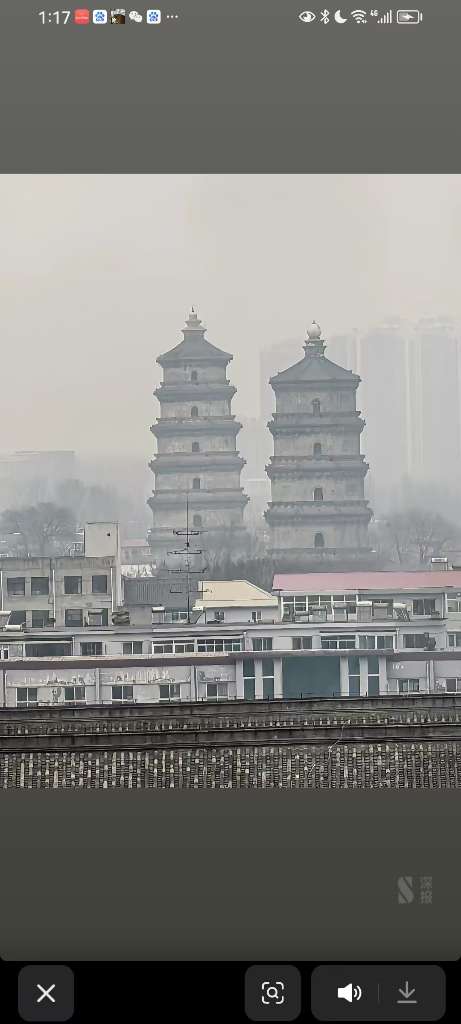
如今,涿州双塔巍然矗立,拒马河水悠悠流淌,千年古城在新时代焕发出勃勃生机。像李振富这样的乡土带头人,如同督亢大地上的点点星光,汇聚成照亮乡村振兴之路的璀璨星河,让涿州千年文脉与实干精神,在一代代人的坚守中传承不息、熠熠生辉。

涿州的厚重,从来不止于历史底蕴,更在于当代人的实干担当。李振富以半生坚守,扎根乡土、为民造福,用平凡身躯铸就不凡,成为这片土地上最动人的榜样,也让乡土初心与为民情怀,在涿州大地上永远传承。

刘会军2026.4.26涿州
字数:1000
"Notes on Zhuozhou" 18

With a history of a thousand years, Zhuozhou, located on the fertile land south of Yan and inheriting the cultural context of Dukang, has since ancient times been home to many loyal, righteous, and pragmatic people. In the contemporary rural landscape, Li Zhenfu from Xiaoshakan Village in Qingliangsi Subdistrict, through half a lifetime of hard work and wholehearted dedication to the people, has become a model of grassroots cadres. With perseverance and practical efforts, he has written a warm contemporary footnote for this ancient city.

Li Zhenfu is a native of Xiaoshakan. From the moment he took on the heavy responsibility of Party branch secretary of the village, "letting the villagers live a good life" has become his lifelong original aspiration and pursuit. In the early days, Xiaoshakan had scattered, sandy, and barren land, with no foundation for collective industries. The villagers struggled to make a living on their limited poor *rmland, working hard all year round but barely able to get enough food and clothing. Seeing the difficult life of the villagers, Li Zhenfu was anxious and secretly vowed: he must lead the villagers to find a way to get rich and completely change the backward *ce of the village.

During his decades in office, Li Zhenfu has always lived up to his original aspiration. He often said: "As cadres, we are not after empty *me, but to let the villagers really benefit." There were no empty slogans, only down-to-earth efforts. At the beginning of his tenure, he visited the entire village to understand its actual situation, based on the village's conditions to find a development path, took the lead in breaking the villagers' traditional concept of "working alone", made every effort to manage and improve the sandy land, integrated the scattered land, and consolidated the foundation for agricultural development. At the same time, he actively expanded channels for increasing income, led the villagers to develop characteristic planting and agricultural product processing, revitalized the village collective economy, and the village's carts were busy day and night doing labor services related to urban environmental sanitation. Multiple measures injected vitality into the village's development.

The road to development was never *ooth. Shortages of funds, villagers' doubts, and lack of technology were all problems in front of him. Li Zhenfu *ced them head-on. When there was no funds, he took out his own money to make advances and ran around to seek policy support. When villagers were conservative and hesitant, he visited each household to talk patiently, dispelling everyone's concerns with sincerity and practical actions. When agricultural technology was backward, he led a team to go out for inspections and studies, introduced high-quality varieties and advanced technologies, and taught the villagers planting and management skills hand by hand after returning, staying at the production frontline throughout.

Through cold winters and hot summers, and with the cycles of spring and autumn harvests, under Li Zhenfu's leadership, the once poor and backward Xiaoshakan Village has been completely transformed. It has gradually formed a complete industrial chain of large-scale planting, standardized production, and integrated sales, turning into a well-known wealthy village. The per capita income of villagers has been rising year after year, the collective accumulation of the village has been increasing, and various people's livelihood projects such as road construction and benefiting the people have taken root. The villagers' lives have become more and more prosperous, full of happiness.

With his outstanding achievements in serving the people, Li Zhenfu has successively been rated as an advanced model at the county, city, and provincial levels, won the title of National Model Worker, and became the first (fourth session) National People's Congress representative in Zhuozhou's history. This supreme honor is the best recognition of his selfless dedication, but he has always remained simple and said calmly: "The honor is not mine personally, but belongs to all the villagers of Xiaoshakan. I just did what I should do." He was strict with himself all his life. Even though he was a role model, he always stayed rooted in the countryside, letting his children settle in rural areas to build their hometown, interpreting his original aspiration through words and deeds.

Through decades of trials and hardships, Li Zhenfu has dedicated his best years to Xiaoshakan and the land of Zhuozhou. He is an early walker on the fields in the morning, a close friend in the villagers' hearts, and a leading goose on the road of rural development. He embodies the unique perseverance, simplicity, and responsibility of Zhuozhou people: not coveting glory, not pursuing empty *me, rooting in the countryside, and dedicating silently. He always keeps the villagers' safety and well-being in mind, fulfills his mission with practical work, and writes loyalty with responsibility.

Today, the twin towers of Zhuozhou stand tall, and the Juma River flows gently. The thousand-year-old ancient city is full of vitality in the new era. Rural leaders like Li Zhenfu are like little stars on the Dukang land, converging into a bright galaxy that illuminates the road of rural revitalization, allowing the thousand-year cultural context and pragmatic spirit of Zhuozhou to be inherited and shine through generations of perseverance.

The profoundness of Zhuozhou has never been limited to its historical heritage, but more in the practical responsibility of contemporary people. Li Zhenfu, with half a lifetime of persistence, rooted in the countryside, brought benefits to the people, and achieved extraordinary things with an ordinary life, becoming the most touching role model on this land. He also allows the original aspiration of the countryside and the feelings of serving the people to be passed down forever on the land of Zhuozhou.

Liu Huijun, Zhuozhou, April 26, 2026
(Word count: 1000)
回复

使用道具 举报

 楼主| 发表于 2026-8-9 09:43:59 | 显示全部楼层
霍宗义(包子铺村)

霍宗义

涿州,古称范阳,千年文脉赓续不绝,桃园忠义风骨世代传承。这片热土从不缺心系桑梓、实干兴邦的志士,霍宗义先生便是改革开放浪潮中,从涿州乡间崛起的实业先驱,他以一生扎根故土、兴业为民,书写了平凡人铸就不凡的传奇,成为涿州人心中永恒的精神丰碑。

1933年,霍宗义生于涿州包子铺村,乡土的淳朴与坚韧,铸就了他实干担当的底色。1952年他投身基层工作,历任乡团总支书记、团委书记、村党支部书记,在乡村一线深耕十八年。朝夕相伴的基层岁月,让他深知乡亲们脱贫致富的期盼,也坚定了他实业富民、回报家乡的初心,为日后干事创业埋下了种子。

改革开放春风乍起,霍宗义勇立潮头,踏上实业兴乡之路。1970年,他执掌西河公社农机修造厂,稳扎稳打夯实产业根基;1980年,他抢抓市场机遇,创办西河地毯厂,开启涿州地毯产业发展之路。创业初期资金短缺、技术匮乏,他远赴各地研习工艺,潜心钻研波斯地毯技艺,带领本土工匠反复打磨,让涿州手工地毯走出乡村、远销海外。

面对海外订单激增、产能不足的难题,霍宗义大胆创新,首创“公司+农户”模式,将织毯工序分散至农户家中,打造“无围墙工厂”。这一模式迅速铺开,构建起覆盖23个省份、带动5万余人就业的产业网络。上世纪八十年代,“砍毯子”成为涿州热门生计,熟练女工月收入远超普通工薪阶层,彻底改变了乡民的生活,也开启了涿州乡村产业振兴的新篇。

1989年,霍宗义牵头组建河北涿州东方企业集团,带领企业突破单一产业边界,拓展多元经营,旗下数十家企业协同发展,成为全国乡镇企业标杆。他凭借卓越贡献,先后获评全国劳动模范、全国“五一劳动奖章”获得者,连任第七届、第八届全国人大代表,用实干赢得了举国认可。

功成名就后,霍宗义始终不忘故土,倾心投身公益,助教兴学、助力家乡基建建设,以实际行动回馈乡邻。从基层村干部到知名企业家,他一生扎根涿州、奉献涿州,始终坚守为民初心。2020年7月,霍宗义先生逝世,享年87岁,斯人虽逝,他开创的“西河之路”与实干精神,永远镌刻在涿州大地。

霍宗义先生的一生,深刻影响着涿州的发展。经济上,他带领数万乡民就近就业增收,奠定涿州早期工业基础,带动城乡配套产业蓬勃发展;精神上,他打破农民固守农耕的传统观念,塑造了涿州人敢闯敢干、抱团实干、厚道向善的民风;产业上,他创造的产业帮扶模式,成为全国乡村脱贫的典范,为后续乡村振兴提供了宝贵经验;城市层面,他让涿州地毯享誉海外,大幅提升了家乡的知名度与美誉度。

千年范阳,忠义传承;一代乡贤,风范永存。霍宗义先生以赤子之心办实业、惠民生,用实干担当诠释了家国情怀与乡土深情。他的精神早已融入涿州文脉,激励着一代代涿州人勇毅前行、接续奋斗,在城市发展征程中,他的名字始终熠熠生辉,被世代涿州人铭记与传承。

(刘会军 2026.5.3 涿州)
字数:1000

"Notes on Zhuozhou" 19

Huo Zongyi

Zhuozhou, known as Fanyang in ancient times, has an unbroken cultural heritage spanning thousands of years, with the spirit of loyalty and righteousness from the Taoyuan (Peach Garden) story passed down through generations. This fertile land has never been lacking in people with a heart for their hometown and a commitment to practical efforts for national prosperity. Mr. Huo Zongyi was an industrial pioneer who rose from the countryside of Zhuozhou during the wave of reform and opening up. He rooted himself in his native land all his life, developed industries for the people, and wrote a legend of an ordinary person achieving extraordinary things, becoming an eternal spiritual monument in the hearts of Zhuozhou people.

Huo Zongyi was born in Baozipu Village, Zhuozhou, in 1933. The simplicity and tenacity of the countryside forged the foundation of his practical responsibility. In 1952, he devoted himself to grassroots work, serving successively as secretary of the township league general branch, secretary of the league committee, and secretary of the village Party branch, working at the rural frontline for 18 years. The years spent closely engaged in grassroots work made him deeply aware of the villagers' desire to escape poverty and get rich, and also strengthened his original aspiration to enrich the people through industry and repay his hometown, sowing the seeds for his future undertakings.

When the spring breeze of reform and opening up blew, Huo Zongyi bravely stood at the forefront and embarked on the road of developing industries to prosper the township. In 1970, he took charge of the Xihe Commune Agricultural Machinery Repair and Manufacturing Factory, steadily laying a solid foundation for the industry. In 1980, he seized market opportunities and founded the Xihe Carpet Factory, initiating the development of Zhuozhou's carpet industry. In the early days of entrepreneurship, facing a shortage of funds and technology, he traveled to various places to study craftsmanship, delved into Persian carpet techniques, and led local craftsmen in repeated polishing, enabling Zhuozhou's hand-woven carpets to go beyond the countryside and be sold overseas.

Faced with the problem of surging overseas orders and insufficient production capacity, Huo Zongyi made a bold innovation, pioneering the "company + farmer" model, distributing carpet weaving processes to farmers' homes to create a "wall-less factory". This model spread rapidly, building an industrial network covering 23 provinces and driving more than 50,000 people to employment. In the 1980s, "cutting carpets" became a popular livelihood in Zhuozhou, with skilled female workers earning monthly incomes far exceeding those of ordinary wage earners, completely changing the lives of villagers and opening a new chapter in the industrial revitalization of Zhuozhou's countryside.

In 1989, Huo Zongyi took the lead in establishing Hebei Zhuozhou Oriental Enterprise Group, leading the enterprise to break through the boundaries of a single industry and expand into diversified operations. Dozens of affiliated enterprises developed in coordination, becoming a national model for township enterprises. With his outstanding contributions, he was successively awarded the title of National Model Worker and winner of the National "May 1st Labor Medal", and served as a deputy to the 7th and 8th National People's Congresses, winning national recognition through practical work.

After achieving success, Huo Zongyi never forgot his native land, devoting himself to public welfare, supporting education, contributing to hometown infrastructure construction, and repaying the villagers with practical actions. From a grassroots village cadre to a well-known entrepreneur, he rooted himself in Zhuozhou and dedicated himself to it all his life, always adhering to his original aspiration of serving the people. In July 2020, Mr. Huo Zongyi passed away at the age of 87. Though he is gone, the "Xihe Road" he pioneered and his spirit of practical work are forever engraved on the land of Zhuozhou.

Mr. Huo Zongyi's life has profoundly influenced the development of Zhuozhou. Economically, he led tens of thousands of villagers to employment and income increase nearby, laid the foundation for Zhuozhou's early industry, and drove the vigorous development of supporting industries in urban and rural areas. Spiritually, he broke the traditional concept of farmers clinging to farming, shaping the folk customs of Zhuozhou people being bold in exploration, working together practically, and being kind and honest. Industrially, the industrial assistance model he created became a national example for rural poverty alleviation, providing valuable experience for subsequent rural revitalization. At the urban level, he made Zhuozhou carpets renowned overseas, greatly enhancing the popularity and reputation of his hometown.

With a thousand years of Fanyang's heritage, loyalty and righteousness are passed down; a generation of local worthies, their demeanor lasts forever. Mr. Huo Zongyi ran industries and benefited the people with a pure heart, interpreting his feelings for the country and hometown through practical responsibility. His spirit has long been integrated into Zhuozhou's cultural context, inspiring generations of Zhuozhou people to move forward bravely and continue to strive. In the journey of urban development, his name always shines brightly, remembered and passed down by Zhuozhou people for generations.

(Liu Huijun, Zhuozhou, May 3, 2026)
(Word count: 1000)
回复

使用道具 举报

 楼主| 发表于 2026-8-9 09:44:27 | 显示全部楼层
王凤(永乐村)

王凤

作为涿州第三位全国人大代表,实业先锋王凤,以匠心智造深耕产业,以忠义立身回馈故土,成为新时代涿州精神的生动注脚。生于斯、长于斯、兴于斯,他用半生耕耘,在涿州大地上书写了从木匠到实业家、从创业者到奉献者的奋斗史诗,名字深深镌刻在涿州发展的年轮之上。

1952年,王凤出生于涿州双塔街道永乐村的普通农家。少年时他踏实肯干、心灵手巧,早早习得木匠手艺,一把刨子、一柄凿子,在木料打磨中练就坚韧心性,也养成了亲力亲为、精益求精的做事准则。彼时永乐村地处京南,民风淳朴却相对闭塞,农耕是百姓唯一生计,工业发展遥不可及。但王凤骨子里藏着不甘平庸的闯劲,改革开放的春风尚未全面铺开,他便敏锐捕捉时代变革气息,立志闯出一条致富路,带领家乡乡亲摆脱贫困。

1980年,改革开放浪潮初涌,王凤成为永乐村“第一个吃螃蟹的人”,率先创办小型铸造厂,正式踏上创业征程。创业初期举步维艰,资金短缺就四处奔走筹措,技术匮乏便白天劳作、夜晚钻研,设备不足凭着木匠功底摸索改造。面对资金、技术、市场的重重难关,他从未退缩,始终坚守脚踏实地、诚信经营的信念,凭借一股不服输的韧劲,让铸造厂逐步站稳脚跟,也积累了宝贵的创业经验与良好口碑。

1985年,王凤精准捕捉到国内BOPP胶粘带市场缺口,果断转型创业,借来2万元启动资金,创办华夏胶粘带厂。当时国内胶粘带行业技术落后,设备全靠进口,生产成本居高不下。他敢闯敢拼、勇于创新,带领团队潜心研发、反复试验,成功研制出全国领先的半自动胶粘带涂布机,打破国外技术垄断,填补国内行业空白。1995年,他再度审时度势调整产品结构,转型生产PVC电工胶粘带,精准对接市场需求,推动企业发展再上新台阶。

发展路上,王凤始终坚守“绿色发展、诚信为本”的初心。上世纪90年代,胶粘带生产中有机溶剂挥发污染环境,他始终将群众健康放在首位,直言企业不能重效益、轻责任。1996年,他斥巨资引进国外先进回收装置,将有机溶剂回收率从85%提升至98%,以实际行动践行环保责任,成为当地绿色发展的标杆企业。2003年,他带领华夏集团在新加坡成功上市,让涿州制造走出国门、走向亚洲,打响了本土实业品牌。

从乡村小厂到国际化上市集团,王凤的身份与企业规模不断蜕变,但扎根家乡、回馈桑梓的初心始终未改。他常说:“我是涿州人,永乐村养育了我,企业发展离不开家乡支持,回报家乡是我义不容辞的责任。”多年来,他积极投身公益,捐资助学、修路筑桥、帮扶困难群众,2004年主导企业出资千万助力公益,疫情期间主动捐赠防疫物资,用爱心温暖家乡故土。凭借突出贡献,2005年他荣获“全国劳动模范”称号,2008年当选第十一届全国人大代表,肩负起企业家的责任担当,积极建言献策,助力地方民生改善与经济发展。

涿州自古崇尚忠义,王凤便是当代忠义精神的践行者。他诚信经营坚守品质底线,成为涿州忠义文化典范;他实干担当深耕实业,带动家乡产业升级、群众增收;他心怀大爱饮水思源,用无私奉献诠释赤子情怀。从木匠到实业家,从创业者到奉献者,他的一生,是奋斗不止、初心坚守、赤诚奉献的一生,没有惊天动地的传奇,却有脚踏实地的坚定,没有豪言壮语,却有润物无声的温暖。

岁月流转,初心如磐。如今年过七旬的王凤,依旧精神矍铄,心系企业发展,情牵家乡建设。他用一生践行“实业兴邦、忠义传家”的信念,在涿州这片热土上铸就实业辉煌,更为涿州精神注入了崭新的时代内涵。他如一棵根深叶茂的大树,深深扎根桑梓,始终向阳生长,既撑起了企业发展的一片天,也温暖了家乡的一方水土,成为涿州大地当之无愧的时代骄傲与荣光。

(刘会军 2026.5.10涿州)
字数:1000


"Notes on Zhuozhou" 20

Wang Feng

As the third National People's Congress representative from Zhuozhou, Wang Feng, an industrial pioneer, has dedicated himself to industrial development with craftsmanship and wisdom, and repaid his native land with loyalty and righteousness, becoming a vivid embodiment of Zhuozhou's spirit in the new era. Born, raised, and thriving here, he has spent half his life working hard, writing an epic of struggle on the land of Zhuozhou—from a carpenter to an industrialist, from an entrepreneur to a contributor—his name deeply engraved in the annals of Zhuozhou's development.

In 1952, Wang Feng was born into an ordinary peasant family in Yongle Village, Shuangta Subdistrict, Zhuozhou. As a teenager, he was down-to-earth, hardworking, and dexterous, mastering carpentry skills at an early age. With a plane and a chisel, he honed a tenacious character through polishing wood, and also developed a work ethic of hands-on involvement and striving for excellence. At that time, Yongle Village, located south of the capital, had simple folk customs but was relatively isolated; farming was the only means of livelihood for the people, and industrial development seemed far away. However, Wang Feng had an inherent drive to rise above mediocrity. Before the spring breeze of reform and opening up fully spread, he敏锐ly sensed the atmosphere of epochal changes, determined to blaze a path to prosperity and lead his fellow villagers out of poverty.

In 1980, when the wave of reform and opening up first surged, Wang Feng became "the first to eat the crab" in Yongle Village, taking the lead in founding a small foundry and officially embarking on his entrepreneurial journey. The early days of entrepreneurship were fraught with difficulties: facing a shortage of funds, he ran around to raise money; lacking technology, he worked during the day and studied at night; with insufficient equipment, he used his carpentry skills to explore and transform. Confronted with numerous challenges in funds, technology, and markets, he never backed down, always adhering to the belief of being down-to-earth and operating with integrity. With an unyielding tenacity, he gradually established the foundry and accumulated valuable entrepreneurial experience and a good reputation.

In 1985, Wang Feng accurately identified the gap in China's domestic BOPP adhesive tape market, resolutely shifted his business focus, borrowed 20,000 yuan as start-up capital, and founded Huaxia Adhesive Tape Factory. At that time, China's adhesive tape industry had backward technology, with all equipment relying on imports, leading to high production costs. He was bold in exploration, brave in innovation, led his team in dedicated research and repeated experiments, and successfully developed the country's leading semi-automatic adhesive tape coating machine, breaking foreign technological monopoly and filling the gap in the domestic industry. In 1995, he once again assessed the situation, adjusted the product structure, shifted to producing PVC electrical adhesive tape, accurately met market demand, and pushed the company's development to a new level.

On the road of development, Wang Feng has always adhered to the original aspiration of "green development and integrity first". In the 1990s, the volatile organic compounds emitted during adhesive tape production polluted the environment. He always put the people's health first, stating frankly that enterprises must not prioritize benefits over responsibilities. In 1996, he invested heavily in introducing advanced foreign recycling equipment, increasing the recovery rate of organic solvents from 85% to 98%, practicing environmental responsibility with concrete actions and becoming a model enterprise for green development in the region. In 2003, he led Huaxia Group to successfully list in Singapore, making Zhuozhou's manufacturing go abroad and reach Asia, and building a local industrial brand.

From a small rural factory to an international listed group, Wang Feng's identity and the scale of his enterprise have continuously evolved, but his original aspiration of rooting in his hometown and repaying his native land has never changed. He often says: "I am from Zhuozhou; Yongle Village raised me. The development of the enterprise cannot be separated from the support of my hometown. Repaying my hometown is my unshirkable responsibility." Over the years, he has actively engaged in public welfare, donating to support education, building roads and bridges, and helping people in need. In 2004, he led the enterprise to invest 10 million yuan in public welfare; during the epidemic, he took the initiative to donate anti-epidemic materials, warming his hometown with love. For his outstanding contributions, he was awarded the title of "National Model Worker" in 2005 and elected as a deputy to the 11th National People's Congress in 2008, shouldering the responsibilities of an entrepreneur, actively putting forward suggestions, and contributing to local people's well-being improvement and economic development.

Zhuozhou has always advocated loyalty and righteousness, and Wang Feng is a practitioner of this spirit in the contemporary era. He adheres to the bottom line of quality through honest management, becoming a model of Zhuozhou's culture of loyalty and righteousness; he works diligently and takes responsibility in developing industries, driving the upgrading of his hometown's industries and increasing people's income; he has great love and remembers his roots, interpreting the feelings of a pure-hearted son of the land through selfless dedication. From a carpenter to an industrialist, from an entrepreneur to a contributor, his life has been one of unceasing struggle, unwavering original aspiration, and sincere dedication. There are no earth-shattering legends, but there is the firmness of being down-to-earth; no grand rhetoric, but the warmth that nourishes things silently.

As time passes, the original aspiration remains unshakable. Now in his seventies, Wang Feng is still energetic, caring about the development of the enterprise and the construction of his hometown. He has spent his life practicing the belief of "revitalizing the nation through industry and passing down loyalty and righteousness in the family", creating industrial brilliance on the hot land of Zhuozhou, and injecting new era connotations into Zhuozhou's spirit. He is like a deep-rooted and luxuriant tree, firmly rooted in his native land, always growing towards the sun. He has not only propped up a sky for the enterprise's development but also warmed a corner of his hometown, truly deserving to be the pride and glory of the times in Zhuozhou.

(Liu Huijun, Zhuozhou, May 10, 2026)
(Word count: 1000)
回复

使用道具 举报

 楼主| 发表于 2026-8-9 09:44:53 | 显示全部楼层
周松勃(刁窝镇刁四村)

周松勃

在涿州刁窝镇的乡间小路上,有一位医生,一步一个脚印,一走就是四十多年。他是土生土长的赤脚医生,是走进首都受到国家领导人亲切接见的最美乡村医生,也是涿州农民里走出的第四位(第十三届)全国人大代表,更是涿州范阳医院的创办人,他就是周松勃,一辈子凭着一颗仁心,守护着家乡父老的健康,用实际行动扛起了基层医者的责任。

1960年,周松勃出生在涿州刁四村,小时候看着村里缺医少药,乡亲们生了病看病难、吃药难,他心里很不是滋味,从小就下定决心,长大后要当医生,好好给村里人看病。师从二康医生褚孝通后又上学深造学成医术,当起了一名普通的农村赤脚医生。一辆旧自行车,一个医药箱,陪着他走过了无数个日夜;乡间的土路、乡亲们的小院,就是他最常待的行医地方。四十多年来,他跑遍了周边一百多个村子,出诊路程加起来快有20万公里,累计给一百多万乡亲看过病,还认认真真整理了48.2万份病历,每一份记录,都是他对乡亲们的真心承诺。

“不管有钱没钱,先看病治病,花小钱就能看好大病”,这是周松勃一辈子不变的行医规矩。从一开始行医,他就定下了“五个不”原则:能用偏方治好的就不开药方,能用便宜药就不用贵药,能吃药治好的就不*,能*治好的就不输液,能不住院的就不让住院。碰到孤寡老人、家里困难的患者,他经常免费看病、免费送药,这么多年累计垫付药费超过46万元,手里900多张患者的欠费欠条,他从来没上门催要过。他一年到头不休息,不管是寒冬腊月,还是大热天,哪怕是半夜三更,只要乡亲们喊他看病,他立马就动身,被大家亲切地叫作老百姓“身边的120”。

周松勃的好心和善举,既得到了乡亲们的夸赞,也获得了国家的认可。2010年,他被评为“全国优秀乡村医生”;2013年,他作为全国最美乡村医生代表,走进首都受到国家领导人亲切接见,这份荣誉,是对他扎根乡村、默默奉献的最大肯定,也让他更坚定了一辈子为乡亲看病的初心。2018年,周松勃当选第十三届全国人大代表,从乡村医生变成人民代表,他明白自己肩上的担子更重了,既要当好给百姓看病的医生,也要当好替百姓说话的代表。

当人大代表的日子里,他天天往田间地头、农家院里跑,耐心听乡亲们的心里话,重点关注农村看病、医疗保障、帮扶困难群众这些民生大事,先后提交了十多条贴近百姓、实实在在的建议,把基层群众的期盼,原原本本带到了上边。他常说:“人大代表不是好听的名头,是沉甸甸的责任,就得踏踏实实为百姓办事。”他这辈子最大的心愿,就是让农村人在家门口,就能看上病、看好病。

为了实现这个心愿,2019年,周松勃创办了涿州范阳医院。从当初只有600平米、25张床位的村卫生所,到如今近4000平米、230张床位的综合医院,他只用了三个月就建成开业。医院里配齐了核磁、CT等先进医疗设备,开设了疼痛、中医等十多个科室,彻底改变了周边农村医疗条件差的现状,让几万乡亲不用跑远路,在家门口就能享受到好的医疗服务。办院至今,他始终坚持收费低廉、惠及百姓,保留着“先看病、后付费”的老规矩,用行动践行着行医的初心。

从赤脚医生到全国人大代表,从乡村小诊所到正规医院,四十多年风风雨雨,周松勃的身份变了又变,但一心为百姓的初心从来没改。他还先后获得“中国好人”“全国文明家庭”等多项荣誉,每一份荣誉背后,都是他对生命的敬重、对乡亲的赤诚。如今六十六岁的他,依旧每天守在医院诊室里,问诊、开药方、查房,忙碌的身影从未停下。

心怀大爱,行事有德。周松勃用大半辈子的坚守,活出了医者仁心的模样,用平凡的善举,在涿州大地上立起了基层医生的好榜样。他扎根家乡,心系百姓,用医者的担当守护一方民生,用赤子之心践行初心使命,他的故事,温暖着涿州的父老乡亲,也感动着更多人。

(刘会军 2026.5.17涿州)
字数:1000

"Notes on Zhuozhou" 21

Zhou Songbo

On the country roads of Diaowo Town, Zhuozhou, there is a doctor who has been walking step by step for more than 40 years. He is a native barefoot doctor, the most beautiful rural doctor who went to the capital and was cordially received by national leaders, the fourth (13th) National People's Congress representative from among Zhuozhou's farmers, and the founder of Zhuozhou Fanyang Hospital. He is Zhou Songbo, who has guarded the health of his fellow townsmen with a benevolent heart all his life and shouldered the responsibility of a grassroots doctor through practical actions.

Born in 1960 in Diao No.4 Village, Zhuozhou, Zhou Songbo saw as a child that the village lacked medical care and medicines, making it difficult for villagers to see a doctor or get medicine when they were ill. This distressed him deeply, and he made up his mind at a young age to become a doctor when he grew up to treat the villagers well. After studying under Chu Xiaotong, a doctor at Erkang Hospital, and furthering his studies to master medical skills, he became an ordinary rural barefoot doctor. An old bicycle and a medicine box accompanied him through countless days and nights; the dirt roads in the countryside and the courtyards of fellow villagers were where he most often practiced medicine. Over 40 years, he has traveled to more than 100 surrounding villages, with a total of nearly 200,000 kilometers logged from house calls, and has treated more than one million villagers. He has also carefully compiled 482,000 medical records, each entry a sincere commitment to the villagers.

"Regardless of whether one has money or not, first treat the illness; major diseases can be cured with little expense" — this is the unchanging principle that has guided Zhou Songbo's medical practice all his life. From the very start of his career, he set the "five don'ts" rule: if a folk remedy can cure the disease, don't prescribe a formal prescription; if a cheap medicine works, don't use an expensive one; if oral medication can cure the disease, don't give injections; if injections can cure the disease, don't administer infusions; if hospitalization isn't necessary, don't admit the patient. When encountering elderly people without relatives or patients from poor families, he often provides free treatment and medicines. Over the years, he has advanced more than 460,000 yuan in medical fees, and he has never gone to collect on the more than 900 IOUs he holds for unpaid medical bills. He works year-round without rest — whether in the bitter cold of winter, the sweltering heat of summer, or even in the middle of the night, he sets off immediately whenever villagers call for him. He is affectionately known as the "120 around us" by the common people.

Zhou Songbo's kindness and good deeds have earned him praise from the villagers and recognition from the nation. In 2010, he was named a "National Excellent Rural Doctor"; in 2013, as a representative of the country's most beautiful rural doctors, he went to the capital and was cordially received by national leaders. This honor was the greatest affirmation of his dedication to rural areas and silent devotion, strengthening his resolve to treat villagers for life. In 2018, Zhou Songbo was elected as a deputy to the 13th National People's Congress. From rural doctor to people's representative, he understood that his responsibilities had grown heavier — he must not only be a good doctor treating the people but also a good representative speaking for them.

During his tenure as a National People's Congress deputy, he visited fields and farmyards daily, listening patiently to the villagers' heartfelt concerns. He focused on major livelihood issues such as rural medical care, medical security, and assisting those in need, submitting more than a dozen practical, people-centered proposals that conveyed the expectations of grassroots residents to the higher authorities. He often said, "Being a National People's Congress deputy isn't just an impressive title; it's a heavy responsibility to sincerely work for the people." His greatest wish in life is to enable rural residents to access quality medical care right at their doorsteps.

To fulfill this wish, Zhou Songbo founded Zhuozhou Fanyang Hospital in 2019. From a village clinic with only 600 square meters and 25 beds, it has grown into a general hospital with nearly 4,000 square meters and 230 beds, which he built and opened in just three months. The hospital is equipped with advanced medical equipment such as MRI and CT scanners, and offers more than ten departments including pain management and traditional Chinese medicine, completely transforming the poor medical conditions in surrounding rural areas. Tens of thousands of villagers can now enjoy quality medical services without traveling far from home. Since its establishment, he has maintained low fees to benefit the people and retained the old rule of "treatment first, payment later," embodying his original commitment to medical practice through actions.

From barefoot doctor to National People's Congress deputy, from rural clinic to formal hospital, through over 40 years of trials and tribulations, Zhou Songbo's身份 has changed repeatedly, but his dedication to serving the people has never wavered. He has also received honors such as "Good Samaritan of China" and "National Civilized Family." Behind each honor lies his respect for life and sincerity toward the villagers. Now 66 years old, he still works daily in the hospital's consulting rooms, diagnosing patients, writing prescriptions, and making rounds — his busy figure never rests.

With great love in his heart and virtue in his actions, Zhou Songbo has exemplified the benevolence of a doctor through decades of perseverance. With his ordinary kindness, he has set a fine example for grassroots doctors in Zhuozhou. Rooted in his hometown and caring for the people, he safeguards local well-being with the dedication of a doctor and fulfills his mission with a pure heart. His story warms the people of Zhuozhou and touches many more.

(Liu Huijun, Zhuozhou, May 17, 2026)
(Word count: 1000)
回复

使用道具 举报

 楼主| 发表于 2026-8-9 09:45:17 | 显示全部楼层
李保田(岐沟村)

李保田


李保田,1955年生于涿州岐沟村,出身乡野,初心质朴。其人一身多重身份:退役军人、高级工程师、中共党员,亦是天保集团创始人、河北省劳动模范、涿州市企业家协会理事长。四十载深耕故土、笃行实业,他以建筑立根基、以产业拓疆域、以公益暖桑梓,将一支乡间建筑小队,锻造为涿州首家港股上市企业,成为涿州民营经济崛起与城市蝶变的标杆人物。

一九七五年,李保田应征入伍,三载军旅淬炼筋骨、磨砺心性,铸就了踏实坚毅、诚信守正的立身准则,也埋下了勤勉立业、担当成事的人生底色。1983年,他退伍归乡,二十八岁正值风华,从建筑工地普通小工起步,躬身实干、砥砺前行。1984年,创办涿州天马建工,即为天保集团前身。创业之初,条件艰苦、百事维艰,他亲赴工地、身先士卒,带领团队攻坚克难,以军人严明纪律管控施工,以过硬质量、守信履约立足市场,在涿州本土积攒下扎实口碑与原始基业。

历经十余年积淀,1998年天保建设集团正式成立,注册资本十亿元,企业自此步入规模化、规范化高速发展阶段。建筑为本,精工致远,集团坐拥房屋建筑、古建筑修缮、装饰装修多项一级资质,精工筑造精品工程。保鑫国际、天津高铁滨海站等经典项目斩获鲁班奖等数十项国家级荣誉,以匠心品质立足行业前沿。

立足主业、多元拓界,李保田逐步构建起天保建设、天保地产、保鑫实业、天保医康养四大核心产业板块,业务辐射建筑工程、地产开发、新型建材、文旅康养、特色农业等诸多领域,旗下华乐种苗蝴蝶兰产业更是擦亮涿州特色农业名片。2019年11月11日,中国天保集团于港交所成功挂牌上市,成为涿州首家港股上市民营企业,标志着本土实业正式迈向国际化发展舞台。数十年深耕,企业现有员工五千余人,常年稳定纳税,带动数万群众就业,稳居河北省民营企业百强之列。

饮水思源,立业不忘故土。多年来,李保田深度参与涿州城市建设、基础设施升级与民生安居工程,匠心打造天保广场、京北健康城等城市地标,赋能涿州城市更新与产业升级。深耕本土商界数十年,他历任涿州市工商联副主席、企业家协会理事长,牵头凝聚本土企业合力,推动涿州民营经济抱团发展、集群成长。凭借卓越实绩与行业担当,他先后获评河北省劳动模范、河北省优秀中国特色社会主义事业建设者、全国工程建设质量管理先进工作者,履职保定市、涿州市人大代表,躬身践行社会责任。

笃行实业,大爱无声。创业四十余年,李保田始终坚守公益初心,累计捐资捐物超六千五百万元,用于助学兴教、扶贫济困、赈灾抗疫。2012年,他捐资百万元设立天保助学基金,十余年来持续帮扶每年五十名寒门学子圆梦求学路。每逢洪涝灾害、疫情防控等关键节点,他始终挺身而出,捐资送物、助力复产,以实际行动践行“感恩祖国、回报社会”的人生信条。

半生耕耘,初心不改。“认真做事,踏实做人;感恩祖国,回报社会”,是李保田贯穿一生的人生信条。企业秉持“规范管理、精心施工、创建精品、奉献社会”的发展宗旨,淬炼出独属于涿州本土的天保品质与企业担当。从乡村少年、退伍军人,到上市企业掌舵人,李保田的创业征程,不仅是个人自强不息的奋斗史,更是涿州民营经济从小到大、从弱到强、深耕乡土、向阳生长的真实缩影。

四十年栉风沐雨,四十年笃行致远。李保田以实业立世、以多元兴业、以公益铸魂,书写了属于涿州本土企业家的奋进传奇。一座座精工建筑矗立涿州大地,一份份温热善意浸润乡土人心,镌刻着扎根故土的赤诚担当,为涿州城市发展、民生进步与产业振兴,注入源源不断的持久力量。


(刘会军 2026.5.24涿州)
字数:1000

Notes on Zhuozhou · No.22

Li Baotian

Li Baotian was born in Qigou Village, Zhuozhou in 1955. Raised in rural land, he retains simple and original aspirations. He is a veteran, senior engineer and CPC member, as well as the founder of Tianbao Group, Model Worker of Hebei Province and Director-General of Zhuozhou Entrepreneurs Association. For forty years, he has rooted in his hometown and devoted himself to industrial development. He laid solid foundations with construction business, expanded industrial layout with diversified development, and warmed local people with public welfare undertakings. He transformed a small rural construction team into the first Hong Kong-listed enterprise in Zhuozhou, emerging as an exemplary figure in the growth of private economy and urban transformation of the city.

In 1975, Li Baotian enlisted in the army. Three years of military service tempered his will and character, shaping his code of steadfastness, integrity and good faith, and fostering his lifelong spirit of diligence and sense of responsibility. He retired and returned to his hometown in 1983. At the prime age of 28, he started as an ordinary construction worker and forged ahead with down-to-earth efforts. In 1984, he founded Zhuozhou Tianma Construction Engineering, the predecessor of Tianbao Group. In the harsh early days of entrepreneurship, he took the lead at construction sites, led his team to overcome difficulties. He managed projects with strict military discipline, gained market recognition by superior quality and credible performance, and built solid reputation and initial enterprise foundation in Zhuozhou.

After more than a decade of accumulation, Tianbao Construction Group was formally established in 1998 with a registered capital of one billion yuan, stepping into a stage of large-scale and standardized high-speed development. Adhering to the philosophy of exquisite construction, the group holds first-class qualifications in building construction, ancient architecture renovation and interior decoration. Iconic projects including Baoxin International and Tianjin Binhai High-speed Railway Station have won dozens of national honors such as the Luban Prize, leading the industry with ingenious craftsmanship.

Based on its core business, the group realized diversified development. Li Baotian built four major industrial sectors: Tianbao Construction, Tianbao Real Estate, Baoxin Industrial and Tianbao Healthcare & Elderly Care. Its business covers construction engineering, real estate development, new building materials, cultural tourism, health care and characteristic agriculture. The phalaenopsis seedling industry under its banner has become a distinctive agricultural brand of Zhuozhou. On November 11, 2019, China Tianbao Group was successfully listed on the Hong Kong Stock Exchange, marking the first local Hong Kong-listed private enterprise in Zhuozhou and stepping onto the international stage. After decades of steady operation, the enterprise employs over 5,000 staff, contributes stable tax revenue annually, creates numerous jobs, and ranks among the Top 100 Private Enterprises in Hebei Province.

Never forgetting his origin while achieving success, Li Baotian has long been deeply engaged in urban construction, infrastructure upgrading and people’s livelihood projects in Zhuozhou. He has built landmark facilities such as Tianbao Square and Jingbei Health City, boosting urban renewal and industrial upgrading. With decades of experience in local business circles, he has served as Vice Chairman of Zhuozhou Federation of Industry and Commerce and Director-General of the Entrepreneurs Association, uniting local enterprises to promote clustered and coordinated economic development. Owing to his outstanding achievements and social responsibility, he has been awarded many honorable titles, and served as deputy to the people's congress of Baoding City and Zhuozhou City.

Committed to industry and boundless benevolence. Over forty years of entrepreneurship, Li Baotian has always adhered to original public welfare ideals. He has donated more than 65 million yuan in total for student aid, poverty alleviation, disaster relief and epidemic prevention. In 2012, he donated one million yuan to set up the Tianbao Student Aid Fund, helping fifty impoverished students pursue their studies every year for more than a decade. During floods, epidemics and other critical periods, he always stepped forward to donate supplies and assist economic recovery, faithfully practicing his life creed of being grateful to the motherland and repaying the society.

Decades of dedication keep his original aspiration unchanged. His lifelong motto is Diligently work, conduct oneself with sincerity; be grateful to the nation and serve the society. The group adheres to the development tenet of standardized management, meticulous construction, high-quality projects and social dedication, forming unique corporate spirit and responsibility rooted in Zhuozhou. From a rural youngster and military veteran to the leader of a listed enterprise, Li Baotian’s entrepreneurial journey mirrors the vigorous development of Zhuozhou’s private economy.

Forty years of trials and tribulations, forty years of persistent pursuit. Li Baotian has forged an inspiring legend of local entrepreneurs through industrial development, diversified operation and charitable dedication. Countless elaborate buildings stand on the land of Zhuozhou, and sincere kindness warms local people’s hearts. His sincere devotion to his hometown delivers lasting impetus for urban development, people’s well-being and industrial revitalization of Zhuozhou.

Written by Liu Huojun
Zhuozhou, May 24th, 2026
回复

使用道具 举报

 楼主| 发表于 2026-8-9 09:45:43 | 显示全部楼层
苏胜奎(葱园村)

苏胜奎

燕赵沃土,涿郡文脉绵长,一方水土孕育一方赤诚实干之人。生于1947年1月的苏胜奎,是涿州葱园村走出的乡土赤子。他出身贫寒农家,少年饱经岁月磨砺,于风雨中扎根成长,半生白手起家、躬身实干,终成涿州知名实业家与公益文化推动者。身为河北省劳动模范、中国功勋企业家,历任涿州市政协常委、人大代表,苏胜奎以四大实业板块深耕故土,以公益初心回馈乡梓,用数十年坚守,书写了涿州民营经济发展与乡土文化传承的温暖篇章,成为本土兼具担当与情怀的标杆人物。

1985年,正值时代浪潮涌动之际,苏胜奎瞄准职业教育空白,毅然创办涿州飞达技术学校,自此开启实业报国、职教惠民的深耕之路。创业之初万般艰辛,他仅凭一辆摩托车、三间租赁房屋,自编专业教材、亲自登台授课,从零开启办学之路,首批仅招收二十三名学员。秉持着育人赋能、助民立业的初心,学校稳步发展,逐步拓展为飞达中专、飞达高中、新世纪学校与飞达驾校,规模化组建飞达集团,更是开创了国内民办摩托车维修职业教育的先河。三十余载栉风沐雨,飞达职教累计培育十万余名技能人才,覆盖摩托维修、机动车驾驶等多个实用领域,帮助无数农村青年习得一技之长、脱贫立业,惠及数万家庭,成为名副其实的职教扶贫典范。如今的飞达集团,囊括教育、地产、商贸多元业态,作为涿州老牌本土民营企业,深耕一方热土,辐射京津冀区域,根基深厚、口碑卓著。

实业兴乡,不止育人,更在于深耕本土物产,擦亮城市名片。1993年,苏胜奎立足涿州千年稻作底蕴,创立涿州贡米公司,倾力复兴本土古老稻作文化,重磅打造“飞达牌涿州贡米”,补齐了涿州特色农产品的品牌短板。为铸就上乘米质,他精选优质稻种,潜心钻研加工工艺,创新研发免淘米加工技术并斩获国家专利。产品坚守非转基因原生态理念,以锁鲜工艺保留稻米本真风味,产出的贡米颗粒晶莹、软糯醇香。依托优质品质,品牌创新推出“天下第一粥”特色衍生品,产品畅销京津冀各地,既是涿州标志性地理标志产品,也是极具代表性的城市馈赠佳品,切实带动本地稻农稳定增收,让千年涿州贡米再度享誉四方。

民生为本,润物无声。1994年,苏胜奎顺势而为,创办苏氏纯净水品牌,扎根涿州、服务万家百姓。三十年来,品牌始终坚守“安全、健康、亲民”的经营初心,自建标准化水厂,严守每一道水质检测工序,严控饮水品质。依托飞达集团完善的产业资源,不断优化生产、仓储、配送全链条,在坚守品质的同时兼顾亲民性价比,以稳妥踏实的姿态,融入涿州千家万户的日常,成为陪伴几代涿州人的本土老牌饮用水民生品牌。

实业固本,文化润心。2012年,深谙文化滋养乡土之道的苏胜奎,斥资三百余万元创办涿州市众星文化艺术俱乐部,秉持“独乐乐不如众乐乐”的质朴理念,深耕基层公益文化事业。俱乐部汇聚百余名本地文艺爱好者,以退休文艺工作者为主力,囊括民乐、声乐、戏曲、舞蹈等多个艺术门类,组建专业民乐团、合唱团等演出队伍。多年来,常态化开展“百姓大舞台”“梨花节惠民演出”“文化下乡走基层”等公益活动,年均数十场惠民演出,走进乡村、社区与街巷,丰富基层群众精神文化生活,传承弘扬传统民俗文化。年过花甲的苏胜奎亦躬身入局,自学雷琴等乐器,时常登台独奏献艺。俱乐部已然成为涿州落实“六个老有”的优秀典范,更是享誉河北的省级公益文化特色品牌。

半生耕耘,硕果累累。1995年获评河北省劳动模范,1998年荣获中国民营企业家杰出代表称号,2011年获评中国功勋企业家,诸多荣誉,是时代对他实干担当的最好见证。深耕公益数十载,他累计投入五百余万元用于助学、扶贫、公益事业,资助五百余名寒门学子圆梦求学路;疫情防控期间,他主动担当,带头助力小区防疫工作,赢得群众与政府的高度认可。

暮年之时,苏胜奎看淡名利,将企业经营交付后辈,潜心扎根公益与文化事业。他一生恪守“不争名利、只求奉献、服务社会、和谐发展”的人生信条,以职教育匠人、以贡米树名片、以清水润民生、以文艺暖人心。这位从涿州乡土走出的实干家,以赤子之心反哺桑梓,以毕生坚守诠释责任担当,为涿州的发展画卷,留下了质朴而厚重的时代印记。

(刘会军 2026.5.31涿州)

字数:1000

Notes on Zhuozhou · Chapter 23

Su Shengkui

The fertile land of Yan and Zhao boasts a profound cultural heritage in Zhuozhou. Distinguished and down-to-earth figures are nurtured by this ancient land. Born in January 1947, Su Shengkui is a native of Congyuan Village, Zhuozhou. Raised in a poor farming family, he endured hardships in his early years and forged perseverance through vicissitudes of life. Starting from scratch with diligent endeavors, he grew into a renowned local entrepreneur and outstanding public welfare cultural promoter.

He has been awarded the title of Hebei Provincial Model Worker and Chinese Meritorious Entrepreneur, and once served as member of the Zhuozhou Municipal Committee of the Chinese People's Political Consultative Conference and deputy of the People's Congress. With four major industrial sectors, he has rooted his career in his hometown and repaid the land with sincere devotion. Through decades of persistent dedication, he composed a touching chronicle for the development of private economy and inheritance of local culture in Zhuozhou, emerging as an exemplary figure with profound sense of responsibility and humanistic sentiment.

In 1985, amid surging social development, Su Shengkui spotted the vacancy in vocational education and founded Zhuozhou Feida Technical School, embarking on his journey of serving the country with industry and benefiting civilians through vocational training. The early stage of entrepreneurship was fraught with hardships. He started with only one motorcycle and three rented houses, compiling teaching materials independently and giving lectures in person. The first enrollment merely had twenty-three students.

Adhering to the original aspiration of cultivating talents and empowering people for livelihood, the school expanded steadily, later developing into technical secondary school, senior high school, New Century School and Feida Driving School, and established the Feida Group. It pioneered private motorcycle maintenance vocational education across China. For more than thirty years, the institution has cultivated over 100,000 skilled talents, covering vehicle maintenance and driving training. It has helped countless rural youngsters acquire professional skills to shake off poverty, benefiting tens of thousands of families, and set a remarkable model for poverty alleviation via vocational education. As a time-honored local private enterprise, Feida Group covers education, real estate and commerce industries, with solid foundation and reputable influence extending to the Beijing-Tianjin-Hebei region.

Industrial development revitalizes hometowns, which lies not only in talent cultivation but also in exploring local specialties to polish urban cultural trademarks. In 1993, drawing on Zhuozhou’s thousand-year rice farming civilization, Su Shengkui established Zhuozhou Tribute Rice Company to revive ancient local rice culture and launched the famous Feida-brand Zhuozhou Tribute Rice, filling the gap of characteristic agricultural branding in the city.

He selected high-quality rice seeds and devoted himself to technological innovation, obtaining national patent for innovative non-washed rice processing technology. Insisting on non-GMO and original ecological production, the brand adopts fresh-locking craftsmanship to preserve authentic rice flavor. The tribute rice features crystal grains with mellow and tender taste. Based on superior quality, the brand launched the classic product The No.1 Porridge Under Heaven. Its products sell well throughout Beijing, Tianjin and Hebei. As a landmark geographical indication product of Zhuozhou, it has become an exquisite regional gift, effectively increasing farmers’ income and renewing the fame of ancient Zhuozhou tribute rice.

People’s livelihood is the eternal foundation of social development. In 1994, Su Shengkui founded Sushi Purified Water brand to serve local residents. Over the past thirty years, the brand has adhered to the philosophy of safety, health and affordability. It built standardized water plants with strict quality inspection standards. Supported by the industrial resources of Feida Group, it has optimized production, storage and distribution systems. Balancing premium quality and reasonable price, the brand has integrated into daily life of Zhuozhou people, becoming a time-honored domestic drinking water brand accompanied by generations of locals.

Solid industry underpins regional development, while culture nourishes people’s souls. In 2012, with profound insight into cultural nourishment, Su Shengkui invested more than 3 million yuan to found Zhuozhou Zhongxing Culture and Art Club. Following the ancient wisdom that shared joy brings greater happiness, he devoted himself to grassroots public cultural undertakings.

The club gathers over one hundred local art lovers, mainly retired artists, involving folk music, vocal performance, opera and dance. It has formed professional folk orchestras and choirs. It regularly holds public welfare performances such as Civilian Stage, Pear Blossom Festival Shows and grassroots cultural tours. With dozens of annual performances, it enriches spiritual cultural life of ordinary people and inherits traditional folk customs. Already in his sixties, Su Shengkui learned musical instruments such as Leiqin and often gave solo performances on stage. The club has become an outstanding model of elderly cultural welfare in Zhuozhou and a provincial influential public cultural brand.

Decades of hard work have yielded fruitful achievements. He was honored as Hebei Provincial Model Worker in 1995, Outstanding Private Entrepreneur of China in 1998, and Chinese Meritorious Entrepreneur in 2011. These prestigious honors are the highest recognition of his dedication and sense of responsibility. He has donated over 5 million yuan to education assistance, poverty relief and public welfare causes, funding more than 500 impoverished students. During the epidemic prevention period, he took the initiative to undertake social responsibilities, winning wide recognition from the public and government.

In his later years, Su Shengkui forsakes fame and fortune, handing over enterprise management to his descendants and concentrating on public welfare and cultural undertakings. He has always upheld his life creed: disregarding fame and gain, devoting himself to dedication, serving the society and promoting harmonious development.

He cultivates craftsmen through vocational education, shapes urban reputation with tribute rice, warms people’s livelihood with clean water, and comforts mortal hearts with art and culture. As a down-to-earth entrepreneur nurtured by Zhuozhou land, he repays his hometown with sincere patriotism, and interprets social responsibility with lifelong perseverance, leaving a simple yet profound cultural mark on the long history of Zhuozhou.

Written by Liu Huijun
Zhuozhou, May 31, 2026
回复

使用道具 举报

 楼主| 发表于 2026-8-9 09:46:34 | 显示全部楼层
刘殿刚(桃园街道南关社区)

刘殿刚


刘殿刚,生于1949年重阳佳节,与新中国同龄,系涿州市桃园街道南关社区人。深耕基层几十载,自1984年履职至2021年卸任,他坚守初心、躬身为民,是涿州任职年限最长的村党支部书记(1984一2021),被当地群众亲切誉为“最棒支书”“最牛书记”。数十年栉风沐雨,他以魄力拓发展、以公心暖民心,带领南关从传统农耕村落蝶变為富庶和谐的城市社区,铸就了涿州基层干部实干为民的鲜活标杆。

1979年,刘殿刚担任南关村治保主任,为人正直公允,做事干练稳妥,在基层工作中崭露锋芒,深得村民信任。1984年的南关村发展停滞、人心涣散,基层工作难以推进,处于发展困境。危难之时,刘殿刚临危受命,出任村党支部书记,从此将半生光阴扎根南关故土,与村落发展、百姓福祉紧紧相依。

彼时的南关,依旧以农耕为主要产业。随着涿州城市建设不断扩容,村内土地陆续纳入征用范围,村民面临失地困境,生计发展毫无保障。面对城市建设大局与村民切身利益,刘殿刚坚守初心、权衡有度,始终秉持顾全大局、为民谋利的工作原则。全力配合城市征地建设工作,严守政策、依规办事,绝不推诿刁难;同时坚守民生底线,全力为村民争取临街门面房资源。他始终坚信,失地村民需要长久生计保障,临街商铺便是百姓安身立命的长久饭碗。正是这份远见与担当,让三十余载后的南关百姓,户户有产业、月月有收益,安居乐业、衣食无忧,为南关的长远发展筑牢了民生根基。

守正更需创新,稳业更要兴业。刘殿刚从不安于守成,始终敢闯敢试、开拓进取。原涿县挂毯厂破产改制,地块规划建设金街商城,他主动奔走、据理力争,积极为村集体争取配套权益,让全村群众共享城市发展的红利。2004年,他牵头主导成立涿州市家居福物业服务有限公司,由南关社区居委会控股八成,有效盘活集体闲置资产,壮大村级集体经济,为社区长效发展拓宽了增收路径。

履职多年,他始终把百姓冷暖放在心头、落在实处。2020年疫情防控关键时期,他主动担任社区防疫组长,统筹辖区四千六百二十户、一万一千余名居民的防疫工作,组建近百人的防疫队伍,日夜坚守岗位,开展入户排查、卡点值守、消杀宣传等工作,全力以赴筑牢社区安全防线,守护一方百姓平安。日常生活中,他敬老爱老、心系乡邻,数十年坚持重阳节自掏腰包宴请社区老人,温暖一方乡情。面对邻里矛盾、民生难题,他随叫随到、秉公调解,凭借实打实的付出,赢得全村百姓的绝对拥护,历次换届选举均满票当选。

2021年,年逾古稀的刘殿刚主动让贤、功成身退,退居社区顾问岗位。他悉心扶持年轻干部,倾囊传授基层工作经验,严格把关社区各项工作,保障南关社区治理平稳衔接、有序发展。退休之后,他初心不改、余热发光,持续关注社区发展动态,积极为家乡建设建言献策。

三十七载深耕基层,三十七载坚守为民。刘殿刚无轰轰烈烈的惊天伟业,却以一生实干、一世坚守,把薄弱村落发展為富庶家园,把涣散人心凝聚成奋进合力,生动诠释了基层党员干部的责任与担当。

岁月无言,初心留痕。街巷见证耕耘,口碑镌刻初心。刘殿刚扎根南关的半生故事,沉淀为涿州大地最温暖、最厚重的基层记忆,成为代代相传的为民典范。

(刘会军2026年6月7日)
字数:1000
"Notes on Zhuozhou" 24

Liu Diangang

Liu Diangang was born on the Double Ninth Festival in 1949, sharing the same age as New China. He is a native of Nanguan Community in Taoyuan Subdistrict, Zhuozhou City. Having been deeply engaged in grassroots work for decades, from taking office in 1984 to stepping down in 2021, he stayed true to his original aspiration and dedicated himself to serving the people. He is the longest-serving village Party branch secretary in Zhuozhou (1984–2021), affectionately known by the local people as the "best secretary" and "most capable secretary." Through decades of trials and hardships, he blazed a trail for development with courage, warmed people's hearts with impartiality, and led Nanguan to transform from a traditional *rming village into a prosperous and harmonious urban community, setting a vivid example of grassroots cadres in Zhuozhou who work diligently for the people.

In 1979, Liu Diangang served as the director of public security in Nanguan Village. He was upright and *ir, capable and steady in his work, showing remarkable ability in grassroots work and winning deep trust from the villagers. In 1984, Nanguan Village was stagnant in development, with people's morale low, making it difficult to advance various grassroots work and *lling into a development predicament. At this critical moment, Liu Diangang was entrusted with the important task and became the secretary of the village Party branch. Since then, he has rooted half his life in the hot land of Nanguan, closely linking his personal *te with the village's development and the people's well-being, determined to protect the local people.

At that time, Nanguan had a single industry, with villagers making a living by *rming for generations. With the continuous expansion of Zhuozhou's urban construction, the land in the village was gradually expropriated according to planning, and the villagers *ced the crisis of losing their land, with their long-term livelihoods difficult to guarantee. Faced with the overall situation of urban development and the vital interests of the people, Liu Diangang balanced things properly, stayed true to his original intention, and carried out his work based on the principles of considering the overall situation and seeking benefits for the people. He strictly complied with policies to cooperate with land expropriation and construction, handled af*irs in accordance with regulations, and never shirked responsibility. At the same time, he firmly held the bottom line of people's livelihood and spared no effort to strive for resources for street-front shops. In his view, losing land should not mean losing jobs, and street-front shops are a solid reliance for people to settle down and increase their income in the long run. With this long-term vision and sense of responsibility, for more than 30 years, every household in Nanguan has had stable industries and monthly fixed income, with villagers living and working in peace and contentment, laying a solid foundation for the long-term development of the community.

While maintaining the fundamentals, it is more important to explore and develop industries. Liu Diangang was never content with the status quo or stuck in old ways; he always dared to explore, try, and forge ahead. After the former Zhuoxian Tapestry Factory went bankrupt and was restructured, the land was planned to build Jinjie Mall. He went around and argued strongly, actively striving for supporting rights and interests for the village collective, allowing all villagers to share the dividends of the times brought by urban development. In 2004, he took the lead in establishing Zhuozhou Jiajufu Property Service Co., Ltd., with Nanguan Community Neighborhood Committee holding 80% of the shares, effectively revitalizing idle collective assets, continuously strengthening the village-level collective economy, and opening up a stable income-increasing path for the long-term development of the community.

During his 37-year tenure, he always cared about the people,体恤ed their conditions, and put the people's well-being first. During the critical period of epidemic prevention and control in 2020, he took the initiative to take on the responsibility, serving as the community's epidemic prevention team leader, coordinating the epidemic prevention work for more than 4,620 households and over 11,000 residents in the area. He set up an epidemic prevention team of nearly 100 people, took the lead in值守 day and night, carried out solid work such as household inspections, checkpoint值守, full-area disinfection, and epidemic prevention publicity, built a solid community safety defense line with his persistence, and made every effort to protect the people's lives and health. In daily life, he respected the elderly, valued education, and cared for neighbors. For decades, he has paid out of his own pocket to host banquets for the community's elderly on the Double Ninth Festival, nourishing the village customs with warmth. When *ced with neighborhood disputes and people's livelihood problems, he was always available and handled matters impartially, winning the sincere support of all villagers through practical deeds, and was elected with full votes in every election.

In 2021, Liu Diangang, over 70 years old, retired after achieving success and took the initiative to make way for the worthy, being hired as a community consultant. He carefully guided young cadres, generously passed on his experience in grassroots governance, strictly checked various community work, and ensured the *ooth connection and orderly progress of Nanguan's governance work. Retired but not losing his ambition, leaving his post but not his concern, he has always paid attention to the dynamics of community development, continued to offer suggestions for his hometown's construction, and his remaining enthusia* reflects his original aspiration.

Rooted in the countryside for 37 years, dedicated to the people for 37 years. Liu Diangang has not created earth-shattering great achievements, but with his lifelong practical work and persistent adherence, he has built the once weak village into a prosperous and livable happy home, and united the scattered hearts into a powerful force for unity and progress, vividly interpreting the original aspiration, mission, and sense of responsibility of grassroots Communist Party members.

Years are silent, but the original aspiration leaves traces. The streets and lanes are engraved with the years of hard work, and the public praise witnesses the original aspiration of serving the people. The half-life story of Liu Diangang deeply engaging in Nanguan and benefiting his hometown has precipitated into a warm and profound grassroots mark on the land of Zhuozhou, becoming a model of serving the people that is passed down from generation to generation by the local people.

(Liu Huijun, June 7, 2026)
(Word count: 1000)
回复

使用道具 举报

 楼主| 发表于 2026-8-9 09:47:00 | 显示全部楼层
柳金柱(桃园街道忠义店村)

柳金柱

涿州桃园街道忠义店村,古名桃庄、张飞店,为三国桃园结义发源地。千载光阴更迭,忠义文脉绵延不绝,滋养出无数守土笃行、兴乡立业的涿州儿女。柳金柱,便是这片热土孕育的本土乡贤。他深耕故土数十载,重修古迹、赓续文脉、造福乡邻,以半生赤诚担当,续写着新时代涿州的忠义风骨。

柳金柱生于1958年,土生土长的忠义店人。自幼浸润涿州厚重的三国底蕴,心怀对本土古迹的敬畏与珍视。青年时代,他勤恳务实、敢闯敢干,创办楼板厂,凭诚信立身、踏实经营兴业,凭一己拼搏积攒家业。生活富足之后,他初心不改,始终心系桑梓,时时牵挂村内荒废破败的张飞庙。在他心中,这座古祠是涿州三国文化的核心载体,更是忠义店村无可替代的文化根脉与乡土名片。

上世纪九十年代,涿州聚力打造三国文旅特色品牌,出台“谁投资,谁受益”的惠民兴乡政策,鼓励民间资本参与古建修缮与乡村文旅开发。彼时的张飞庙历经百年风雨侵蚀、岁月沧桑,殿宇倾颓、遗迹荒芜,千年古祠风采尽失。眼见古迹凋零、文脉蒙尘,柳金柱毅然挺身而出、主动担当,自筹巨资牵头重启张飞庙重建工程,立志复原古祠原貌,激活本土文旅生机,重振千年忠义文脉。

民间自主复建古建,无成熟经验可循,过程万般艰难。从项目手续审批、整体格局规划,到寻访资深古建工匠、把控施工细节工艺,柳金柱事事亲力亲为、全程跟进。他严格恪守传统古建规制,精准复原庙宇整体格局与传统彩绘技艺,累计投入四百余万元个人积蓄,数年坚守、攻坚克难,终让荒芜破败的千年古祠涅槃重生、焕然新生。

如今的张飞庙坐落于忠义店村南,是格局规整的标准二进院落。殿宇古朴庄重,彩绘雅致精美,张飞古井、饮马槽等珍贵历史遗迹悉数修缮完好、妥善留存。重生后的张飞庙,获评涿州市重点文物保护单位,成为承载三国忠义精神、彰显涿州千年历史底蕴的重要文化窗口。

一祠重兴,盘活一方乡土。张飞庙的落成,极大提升了忠义店村的知名度与影响力,四方游客慕名到访,有效带动乡村观光、特色农产品销售、乡村餐饮等产业蓬勃发展,拓宽了村民增收致富渠道。柳金柱积极响应地方发展政策,以个人投入撬动乡村发展,让沉睡的历史文化资源,真正转化为助力乡村振兴的不竭动力。

修祠复古之外,柳金柱深耕文艺领域,潜心传承本土文脉。他八岁执笔习书,深耕欧体、赵体书法数十年,笔耕不辍、功底精湛。为深耕三国文化传播,凝聚本土文艺力量,他牵头创立三国书画院并亲任院长。身为省市书画协会会员,他广聚域内文人雅士,常态化开展书画创作、公益展演、文化交流活动,以笔墨传忠义,以文艺润乡土,丰富了涿州文旅内涵,擦亮了“三国文化之乡”的金字名片。

深耕乡野,默默奉献。多年来,柳金柱与妻子坚守京广铁路涿州段护路岗位,数十年风雨无阻、恪尽职守,默默守护辖区铁路通行安全,在平凡岗位诠释责任与担当。

立业兴乡,亦修身齐家。柳金柱治家严谨、家风醇厚,家庭四世同堂,四代人相亲相守、敬老爱幼、向善向正。阖家和睦融洽、家风清正淳朴,在乡里传为美谈,成为乡间家风建设的典范。

根植桑梓,不负故土平生。柳金柱以一己之力复原千年古建,以笔墨匠心传承三国文脉,以责任担当富民兴村,以醇厚家风涵养乡风和正。半生耕耘、初心不改,是当之无愧的涿州文脉守护者、乡土建设奉献者、乡村振兴践行者。涿州千年忠义文脉,正因这般心怀故土、躬身笃行的乡贤仁人,方能薪火永续、熠熠生辉。

刘会军2026.6.14 涿州
字数:1000
Notes on Zhuozhou (XXV)

Liu Jinzhu

Zhongyidian Village under Taoyuan Subdistrict of Zhuozhou, formerly known as Taozhuang and Zhangfeidian, is the birthplace of the Oath of the Peach Garden during the Three Kingdoms period. Through thousands of years, the spirit of loyalty and righteousness has been passed down endlessly, nurturing generations of dedicated locals who devote themselves to their hometowns. Liu Jinzhu is one such distinguished villager raised on this land. For decades, he has restored historical relics, carried forward cultural heritage and brought benefits to fellow villagers. With lifelong devotion and commitment, he has inherited and promoted the spirit of loyalty and righteousness of Zhuozhou in the new era.

Born in 1958, Liu Jinzhu is a native of Zhongyidian. Immersed in the profound culture of the Three Kingdoms from an early age, he always held local historical sites in deep reverence and affection. In his youth, he was diligent, pragmatic and enterprising. He founded a floor slab *ctory, built his career on integrity and hard work, and gradually made a prosperous living. Even after achieving financial success, he never forgot his hometown. He was deeply concerned about the dilapidated Zhang Fei Temple, which he regarded as a core symbol of Zhuozhou’s Three Kingdoms culture and an irreplaceable cultural landmark of the village.

In the 1990s, Zhuozhou strove to build a cultural touri* brand featuring the Three Kingdoms culture. The local government issued a people-benefiting policy of "Whoever invests shall reap the benefits", encouraging private capital to restore ancient buildings and develop rural cultural touri*. At that time, after centuries of wind and rain, Zhang Fei Temple fell into disrepair, with collapsed halls and overgrown ruins, losing its former glory. Seeing the ancient site *ding away and cultural heritage being neglected, Liu Jinzhu stepped forward resolutely. He raised substantial personal funds to launch the reconstruction of Zhang Fei Temple, aiming to restore its original look, revitalize local cultural touri* and revive the age-old spirit of loyalty and righteousness.

Restoring ancient buildings with private funds was an arduous task with no prior experience to follow. Liu Jinzhu took care of everything personally, from going through approval procedures and working out overall layouts to recruiting skilled craft*en and supervising construction. He strictly followed traditional architectural norms to recreate the temple’s layout and exquisite painted decorations. Having invested over four million yuan of his personal savings and overcome numerous difficulties for years, he finally brought the time-honored temple back to life.

Now standing in the southern part of Zhongyidian Village, the temple is a well-proportioned two-yard complex. Its halls are simple and solemn, adorned with elegant paintings. Precious relics including the ancient well and horse trough of Zhang Fei have been fully renovated and well-preserved. Designated as a Major Cultural Relic under Protection in Zhuozhou, the revived temple serves as an important cultural showcase for the spirit of loyalty and righteousness and the long history of the city.

The revival of the temple has greatly boosted the village’s reputation. Tourists from all directions come to visit, thriving rural sightseeing, agricultural product sales and catering industries, and increasing villagers’ incomes. By responding actively to local policies, Liu Jinzhu turned cultural resources into a driving force for rural revitalization.

Beyond restoring the ancient temple, Liu Jinzhu devotes himself to cultural inheritance. He began learning calligraphy at the age of eight and has practiced the Ouyang and Zhao styles for decades, attaining superb skills. To spread the Three Kingdoms culture and unite local artists, he founded the Three Kingdoms Calligraphy and Painting Academy and serves as its dean. As a member of provincial and municipal calligraphy and painting associations, he regularly organizes creation activities, public performances and cultural exchanges. With brush and ink, he carries forward loyalty and righteousness, enriches the connotation of cultural touri*, and burnsishes Zhuozhou’s reputation as "Hometown of Three Kingdoms Culture".

Liu Jinzhu and his wife have also stuck to their post maintaining the Zhuozhou section of the Beijing-Guangzhou Railway for decades. Regardless of wind and rain, they have *ithfully safeguarded railway safety, interpreting responsibility on an ordinary post.

While devoting himself to his career and hometown, he also runs an exemplary *mily. His *mily is a four-generation household, where all members live in harmony, respecting the elderly and caring for the young. Their fine *mily tradition has become a widely praised model in the neighborhood.

Rooted in his hometown, Liu Jinzhu has lived up to his land. He restored the thousand-year-old ancient architecture with personal efforts, inherited the Three Kingdoms culture with artistic ingenuity, helped villagers prosper with a strong sense of responsibility, and fostered good social conduct with a noble *mily tradition. A lifelong hard worker with unwavering original aspiration, he is truly a guardian of cultural heritage, a contributor to rural development and a practitioner of rural revitalization. It is virtuous locals like him that keep the enduring spirit of loyalty and righteousness in Zhuozhou shining brightly through ages.

Written by Liu Huijun
June 14, 2026
Zhuozhou
回复

使用道具 举报

发表回复

您需要登录后才可以回帖 登录 | 注册会员

本版积分规则

快速回复 返回顶部 返回列表