中国门球网
标题: 【原创】2026年网文集锦 [打印本页]
作者: 门球狂人 时间: 2026-1-1 15:25
标题: 【原创】2026年网文集锦
《札记·涿州》
写在前面
当2026年元旦到来的时候,我的一项写作计划悄然启动。
1月4日,是2026年的第一个周日,我的第一篇文稿出笼。
接下来,就简单了,简单的事情就重复做呗,做上一年,成52篇双语文稿。
目录
一月份
01 第1周 2026.1.4 序言
02 第2周 2026.1.11 卢植
03 第3周 2026.1.18 刘备
04 第4周 2026.1.25 张飞
二月份
05 第5周 2026.2.1 郦道元
06 第6周 2026.2.8 慧能
07 第7周 2026.2.15 赵匡胤
08 第8周 2026.2.22 邵雍
三月份
09 第9周 2026.3.1 冯铨
10 第10周 2026.3.8
11 第11周 2026.3.15
12 第12周 2026.3.22
13 第13周 2026.3.29
四月份
14 第14周 2026.4.5
15 第15周 2026.4.12
16 第16周 2026.4.19
17 第17周 2026.4.26
五月份
18 第18周 2026.5.3
19 第19周 2026.5.10
20 第20周 2026.5.17
21 第21周 2026.5.24
22 第22周 2026.5.31
六月份
23 第23周 2026.6.7
24 第24周 2026.6.14
25 第25周 2026.6.21
26 第26周 2026.6.28
七月份
27 第27周 2026.7.5
28 第28周 2026.7.12
29 第29周 2026.7.19
30 第30周 2026.7.26
八月份
31 第31周 2026.8.2
32 第32周 2026.8.9
33 第33周 2026.8.16
34 第34周 2026.8.23
35 第35周 2026.8.30
九月份
36 第36周 2026.9.6
37 第37周 2026.9.13
38 第38周 2026.9.20
39 第39周 2026.9.27
十月份
40 第40周 2026.10.4
41 第41周 2026.10.11
42 第42周 2026.10.18
43 第43周 2026.10.25
十一月份
44 第44周 2026.11.1
45 第45周 2026.11.8
46 第46周 2026.11.15
47 第47周 2026.11.22
48 第48周 2026.11.29
十二月份
49 第49周 2026.12.6
50 第50周 2026.12.13
51 第51周 2026.12.20
52 第52周 2026.12.27
作者: 门球狂人 时间: 2026-1-1 15:39
《札记·涿州》 01 序言
2026年是平年,共365天,1月4日是第一个周日,12月27日是最后一个周日,全年共有52个周日。
一项新的写作计划在2026年的第一个周日悄然启动,简言之,便是“周千双年”四字准则。
周,即循周而为,每七天为一周,每周日完成一文。难么?想来该是不难。回望2025年,我日日执笔写就《晨语》,无一日间断,终得365篇,这份坚持足以支撑2026年的"计划"。
千,即字数有规,每文严控千字,只可少不可多,不贪篇幅冗长,通篇只用通俗常用之字,文风务求轻松自然,让寻常人都能读懂涿州故事,品出乡土温情。
双,即双语并行,每周文字皆以汉语、英语同步落笔,既守母语之韵,亦传涿州之名,让一方水土的底蕴能跨语言流淌,让他乡之人读懂这片热土的温度。
年,即以年为限,2026年全年52周,每周日完成一篇,年末累计可达五万余字,字字皆系涿州,句句皆怀乡心,笔笔皆书热爱。
至于写作主题,早已心有所定,唯以涿州风土人情为核心,历时一载52周的双语笔墨,终将汇成一本《札记·涿州》。2026年,是农历丙午马年,亦是我人生第七个本命年的开篇,在2025年坚持每日一篇《晨语》累计落笔365篇的基础上,今年的写作更上了难度,字数有界、内容有定,更要兼顾双语同步,这般有规范、有计划的执笔,恰是践行“做自己喜欢做的事儿”,不负时光,不负热爱,不负脚下这片故土。
今日是2026年全年52个周日的开端,这份关于涿州的写作计划,自此正式起步。人杰地灵的涿州,是享誉一方的历史文化名城,这片沃土孕育千年文脉,滋养世代乡人,既是我四十余载工作生活的热土,更是源源不断的创作源泉,写好涿州文字,讲好涿州故事,于我而言,是热爱,更是一份沉甸甸的使命。
粗略梳理笔下脉络,涿州的厚重底蕴皆将落于纸端:古有卢植传道授业、刘备张飞涿郡起兵、郦道元著书立说、惠能弘法传禅,亦有赵匡胤肇基宋室、邵雍悟道传学、冯铨著述留史,一众先贤名士撑起涿州千古风骨;今有近代仁人志士躬身力行,当代贤达翘楚接续奋进,各领风骚,不负乡梓。此外,名扬四海的涿州八景、底蕴深厚的全国重点文物保护单位、代代相传的非遗技艺,还有城乡变迁里的地方故事、烟火人间里的民生百态、各行各业里的奋进身影,皆是《札记·涿州》要收录的篇章。当然,这不过是我一人之见、一己之感,如百花苑中的一颗小草、一朵小花,虽平凡,却愿以微薄之声,为涿州立传,为热土留痕,为岁月存忆。
记得是鲁迅先生曾言:世上本无路,走的人多了,就有了路。落笔写涿州,亦是一条全新的征途,路在何方?答案自在心中,路在脚下,路更在往后每一个执笔落墨的周日里!
(刘会军 2026.1.4 涿州)
(字数:1000字)
--------------------------------------------------------------------------------------------------
"Notes on Zhuozhou" 01 Preface
2026 is a common year with 365 days. January 4th is the first Sunday, and December 27th is the last Sunday, with a total of 52 Sundays throughout the year.
A new writing project quietly kicked off on the first Sunday of 2026, which can be briefly summarized by the four-character guideline: "Weekly, Thousand-Character, Bilingual, Year-Long".
"Weekly" means following the weekly cycle: every seven days make a week, and one article is completed each Sunday. Will it be difficult? Presumably, it should not be. Looking back at 2025, I took up my pen every day to write "Morning Notes" without a single day's interruption, eventually completing 365 articles. This persistence is enough to support the 2026 "project".
"Thousand-Character" refers to the word count regulation: each article is strictly limited to a thousand characters, allowing fewer but not more. It avoids being overly lengthy, using only common and popular words throughout. The writing style strives to be relaxed and natural, so that ordinary people can understand the stories of Zhuozhou and savor the warmth of their hometown.
"Bilingual" means proceeding in both languages: each week's writing is done simultaneously in Chinese and English. It not only preserves the charm of the mother tongue but also spreads the name of Zhuozhou, allowing the heritage of this land to flow across languages and enabling people from other places to feel the warmth of this hot land.
"Year-Long" sets the time limit as a year: there are 52 weeks in 2026, with one article completed every Sunday, totaling over 50,000 characters by the end of the year. Every character is tied to Zhuozhou, every sentence is filled with hometown affection, and every stroke is written with love.
As for the writing theme, it has long been decided: focusing on the local customs and traditions of Zhuozhou. The bilingual writings over 52 weeks in a year will eventually form this book "Notes on Zhuozhou". 2026 is the Bingwu Year of the Horse in the lunar calendar, and also the start of my seventh zodiac year in life. Building on the foundation of writing one "Morning Note" daily in 2025, accumulating 365 articles, this year's writing is more challenging, with a limited word count, fixed content, and the need to balance bilingual synchronization. Such writing with norms and plans is precisely practicing "doing what one loves", living up to time, passion, and the homeland beneath my feet.
Today is the start of the 52 Sundays in 2026, and this writing project about Zhuozhou officially begins from now on. Zhuozhou, a place with outstanding people and a propitious environment, is a renowned historical and cultural city. This fertile land has nurtured a thousand years of cultural context and sustained generations of townsfolk. It is not only the hot land where I have worked and lived for more than 40 years but also an endless source of creation. Writing good words about Zhuozhou and telling good stories of Zhuozhou is, for me, both a love and a heavy mission.
Roughly sorting out the outline of the writing, the profound heritage of Zhuozhou will all be put down on paper: in ancient times, there were Lu Zhi who taught and preached, Liu Bei and Zhang Fei who raised troops in Zhuojun, Li Daoyuan who wrote books, Huineng who propagated Buddhism, as well as Zhao Kuangyin who founded the Song Dynasty, Shao Yong who attained enlightenment and taught, and Feng Quan who left works and history. A group of virtuous ancestors and celebrities have propped up the eternal character of Zhuozhou. In modern times, there are people with lofty ideals who dedicated themselves to action, and contemporary elites who continue to forge ahead, each excelling in their own fields and living up to their hometown. In addition, the world-famous Eight Scenic Spots of Zhuozhou, the national key cultural relics protection units with profound heritage, the intangible cultural heritage skills passed down from generation to generation, as well as the local stories in the changes of urban and rural areas, the various aspects of people's lives in the bustling world, and the striving figures in all walks of life are all chapters to be included in "Notes on Zhuozhou". Of course, this is just my personal view and feeling, like a small grass or a little flower in a garden of hundreds of flowers. Though ordinary, I am willing to write a biography for Zhuozhou, leave a trace for this hot land, and preserve memories for the years with my humble voice.
I remember Mr. Lu Xun once said: There were no roads in the world; it is only when many people walk that a road comes into being. Putting pen to paper to write about Zhuozhou is also a brand-new journey. Where is the road? The answer is in my heart: the road is under my feet, and even more so in every Sunday ahead when I take up my pen and put ink to paper!
(Liu Huijun, Zhuozhou, January 4th, 2026)
(Word count: 1000)
作者: 海兰 时间: 2026-1-1 19:13
门球狂人老师好、顺祝老师和家人新年快乐、吉祥安康!
作者: 海兰 时间: 2026-1-1 19:14
门球狂人老师好、顺祝老师和家人新年快乐、吉祥安康!
作者: 门球狂人 时间: 2026-1-1 20:31
我落户涿州四十余年,儿子及孙子都是在涿州出生,我领取的第一代身份证是在涿州领取的。《札记.涿州》是给工作生活了四十余年的地方留下一点印记,52篇双语千字文会在2026年完成。
作者: 海兰 时间: 2026-1-1 20:57
门球狂人老师好、顺祝老师和家人新年快乐、吉祥安康!
作者: 门球狂人 时间: 2026-1-4 06:52
咬定札记不放松,
主旨原本在心中,
坚持写滿五十二,
任尔东西南北风。
作者: 灵芝草 时间: 2026-1-4 07:07
门球狂人老师是有才的老师!非常有毅力的老师!为老师点赞!
作者: 门球狂人 时间: 2026-1-4 14:43
《札记·涿州》是一本关于涿州的书,每周日一篇,汉英双语。
作者: 门球狂人 时间: 2026-1-11 06:22
《札记·涿州》是一本关于涿州的书,每周日一篇,汉英双语。已完成:
01 第1周 2026.1.4 序言
02 第2周 2026.1.11 卢植
下周:
03 第3周 2026.1.18 刘备
作者: 门球狂人 时间: 2026-1-11 06:23
《札记·涿州》02
“范阳卢”始祖:卢植
涿州城东北数里,有村落名卢家场。这里看似平凡,却长眠着一位奠定涿州千年文脉、并在东汉末年历史风云中留下浓墨重彩的一代儒宗——卢植,字子干(139年--192年)。
涿州,自古“地扼幽燕之喉,势控朔漠之背”,素有“天下第一州”之誉。在这片浩瀚的历史星空中,卢植无疑是最为璀璨的星辰之一。他不仅是东汉末年的国之干城,更是“范阳卢氏”的始祖,是涿州人“刚毅有大节”精神图腾的缔造者。
卢植之非凡,首在于他打破了传统文人“柔弱”的刻板印象,实现了“上马击狂胡,下马草军书”的文武双全。早年求学大儒马融门下,马融家富且豪,讲学常列女乐助兴,丝竹管弦不绝。然而卢植侍讲多年,未尝转眄,其心志专一、定力深厚,令马融叹服。这种在声色犬马中不为所动的定力,正是他日后在乱世中坚守节操的基石。学成之后,他不仅精通今古文经学,更对时局有着超越常人的深刻洞察。
光和七年,黄巾起义爆发,天下震动。百官惊慌失措,唯卢植临危受命,以北中郎将率军镇压。他治军严整,连战连捷,将黄巾军主力逼入广宗,眼看大功告成,却因拒绝向宦官左丰行贿而被诬陷入狱。若非皇甫嵩等人力保,一代名将险些死于谗言。即便如此,当董卓进京欲行废立,满朝文武慑于淫威唯唯诺诺时,唯有卢植挺身而出,抗言直谏。董卓虽凶暴,却因忌惮卢植名望而不敢加害。这种强权面前不低头、危难时刻不退缩的气度,正是涿州人豪爽刚烈性格的最佳注脚。
除了个人的刚正不阿,卢植对中国历史进程最直接的影响,在于他的教育成就。在涿州古城内,至今流传“卢植授徒”佳话。他的门生中,走出了彻底改变汉末格局的刘备与公孙瓒。刘备少时家贫,曾“与同宗刘德然、辽西公孙瓒俱事故九江太守同郡卢植”。正是在卢植教导下,刘备习得儒家仁义之道,开阔政治视野,终成蜀汉帝业。公孙瓒亦在其门下受业,后成北方诸侯。可以说,卢植是三国乱世的“总导演”之一,他的思想通过这些弟子,深刻影响了那个英雄辈出的时代。涿州人常以此为荣:刘备是帝,公孙瓒是帅,而卢植是师。这种“名师出高徒”的传承,使涿州在汉末三国时期成为人才高地。
卢植最为深远的影响,在于确立了“范阳卢氏”这一中华望族的根基。自卢植始,范阳卢氏成为“北州冠族”,在魏晋南北朝乃至隋唐时期声望显赫,与清河崔氏、博陵崔氏、陇西李氏等并称“五姓七望”。唐太宗李世民曾感叹门阀之盛,但即便在皇权极力打压门阀的唐代,范阳卢氏依然人才济济,仅唐朝便出了八位宰相。这种家族荣耀的源头,正是卢植当年“名著海内,学为儒宗,士之楷模,国之桢干”的德行积累。
卢植的一生,是对“忠义”二字的最好诠释。他忠于汉室,不畏权贵;他义于生民,心怀苍生。其墓志铭云:“风霜以别草木之性,危乱而见贞良之节。”这正是对他一生最准确的评价。
今日之涿州,高楼林立,气象万千,卢植的风骨依然流淌在每一位涿州人的血液里。他提醒着后人:无论身处何种时代,都要保持独立的人格,坚守道德的底线,追求学问的真谛。
范阳卢植,如同一座巍峨的丰碑,矗立在涿州的历史长河中。他以儒宗之尊,光耀千古;以文武之略,安邦定国。他是涿州的骄傲,更是中华民族精神史上一座不可磨灭的坐标。
(刘会军 2026.1.11 涿州)
(字数:997字)
----------------------------------------------------------------------------------------------
"Notes on Zhuozhou" 02
The Ancestor of "Fanyang Lu Clan": Lu Zhi
Several miles northeast of Zhuozhou City lies a village named Lujiachang. Though seemingly ordinary, it is the resting place of a Confucian master who laid the foundation for Zhuozhou's thousand-year cultural heritage and left a profound mark in the historical upheavals of the late Eastern Han Dynasty — Lu Zhi, styled Zigan (139–192).
Zhuozhou, historically known as "a throat扼 controlling You and Yan, a back shielding the northern deserts," has long been hailed as "the No.1 Prefecture under Heaven." In the vast firmament of its history, Lu Zhi is undoubtedly one of the most brilliant stars. He was not only a pillar of the state in the late Eastern Han Dynasty but also the ancestor of the "Fanyang Lu Clan" and the founder of the spiritual totem of Zhuozhou people — "resolute and noble in character."
Lu Zhi's extraordinariness first lies in breaking the stereotype of traditional scholars as "weak," embodying the versatility of "mounting a horse to strike at fierce barbarians, dismounting to draft military documents." In his early years, he studied under the great Confucian scholar Ma Rong. Ma Rong was wealthy and lavish, often having female musicians perform during lectures, with music lingering constantly. Yet, during the years Lu Zhi attended these lectures, he never once glanced sideways. His single-minded focus and profound resolve won Ma Rong's admiration. This unwavering composure amid sensual pleasures laid the groundwork for his adherence to moral integrity in turbulent times. After completing his studies, he not only mastered both modern and ancient text Confucian classics but also had a deeper insight into current affairs than ordinary people.
In the seventh year of Guanghe (184 AD), the Yellow Turban Rebellion erupted, shaking the entire nation. While officials panicked, only Lu Zhi accepted the mission in crisis, leading troops as Northern Zhonglangjiang to suppress the rebellion. He governed the army strictly, winning successive battles, and drove the main force of the Yellow Turbans into Guangzong. With victory within reach, he was falsely accused and imprisoned for refusing to bribe the eunuch Zuo Feng. Had it not been for the protection of Huangfu Song and others, this renowned general would have nearly died from slander. Even so, when Dong Zhuo entered the capital and intended to depose the emperor, all civil and military officials, intimidated by his tyranny, meekly submitted — only Lu Zhi stepped forward to remonstrate directly. Though Dong Zhuo was cruel, he dared not harm Lu Zhi for fear of his reputation. This demeanor of not bowing to power and not shrinking in危难 perfectly exemplifies the bold and steadfast character of Zhuozhou people.
Beyond his personal integrity, Lu Zhi's most direct impact on China's historical process lies in his educational achievements. In the ancient city of Zhuozhou, the story of "Lu Zhi teaching disciples" still circulates. Among his students were Liu Bei and Gongsun Zan, who thoroughly changed the landscape of the late Han Dynasty. Liu Bei, poor in his youth, once "studied together with his clansman Liu Deran and Liaoxi's Gongsun Zan under Lu Zhi, the former Prefect of Jiujiang and a townsman." It was under Lu Zhi's teachings that Liu Bei learned Confucian principles of benevolence and righteousness, broadened his political vision, and eventually founded the Shu-Han imperial cause. Gongsun Zan also studied under him and later became a northern warlord. It can be said that Lu Zhi was one of the "masterminds" of the chaotic Three Kingdoms period; his ideas, through these disciples, profoundly influenced that era of heroic figures. Zhuozhou people often take pride in this: Liu Bei was an emperor, Gongsun Zan a marshal, and Lu Zhi their teacher. This heritage of "a great teacher nurturing outstanding pupils" made Zhuozhou a talent hub during the late Han and Three Kingdoms periods.
Lu Zhi's most far-reaching influence lies in establishing the foundation of the "Fanyang Lu Clan" — a prominent clan in China. Starting from Lu Zhi, the Fanyang Lu Clan became the "foremost clan of the northern prefectures," enjoying great prestige from the Wei, Jin, Southern and Northern Dynasties to the Sui and Tang Dynasties. It was ranked among the "Five Surnames and Seven Clans" alongside the Qinghe Cui, Boling Cui, Longxi Li, etc. Emperor Taizong of Tang, Li Shimin, once lamented the power of these aristocratic clans. Even in the Tang Dynasty, when imperial power vigorously suppressed门阀, the Fanyang Lu Clan still produced numerous talents, including eight prime ministers alone. The source of this family's glory lies in the accumulation of virtues by Lu Zhi, who was "renowned across the land, a paragon of Confucian learning, a model for scholars, and a pillar of the state."
Lu Zhi's life was the best interpretation of "loyalty" and "righteousness." He was loyal to the Han Dynasty, fearless of权贵; he was righteous to the people, with compassion for all living beings. His epitaph reads: "Wind and frost distinguish the nature of plants and trees; crises and chaos reveal the integrity of the virtuous." This is the most accurate evaluation of his life.
Today's Zhuozhou, with its towering buildings and ever-changing scenes, still carries Lu Zhi's spirit in the blood of every Zhuozhou person. He reminds future generations: no matter the era, one must maintain an independent personality, uphold moral bottom lines, and pursue the true essence of knowledge.
Lu Zhi of Fanyang, like a majestic monument, stands tall in the historical river of Zhuozhou. With his dignity as a Confucian master, he shines through the ages; with his military and literary strategies, he stabilized the state and secured the nation. He is the pride of Zhuozhou and an indelible landmark in the spiritual history of the Chinese nation.
(Liu Huijun, Zhuozhou, January 11th, 2026)
(Word count: 997)
作者: 门球狂人 时间: 2026-1-11 06:57
-----------------------------------------------------
作者: 门球狂人 时间: 2026-1-11 07:08
------------------------------
作者: 门球狂人 时间: 2026-1-18 09:19
《札记·涿州》03
汉昭烈帝:刘备
刘备(公元161年-公元223年),字玄德,三国时期蜀汉开国皇帝,其故里为今河北涿州城南的楼桑庙村。他幼年丧父,与母亲织席贩履为生,贫寒的生活却未能磨灭其凌云之志。
故居东南角的五丈桑树,枝繁叶茂如车盖,路人皆称此树非凡。刘备幼时戏言“吾必当乘此羽葆盖车”,这句惊世之语,尽显其与生俱来的领袖气质与远大抱负。涿州地处燕赵之地,慷慨悲歌、尚武重义的地域文化,深深融入他的血脉,成为其一生闯荡天下的精神根基,少年时光也塑造了他坚韧不拔的性格底色。
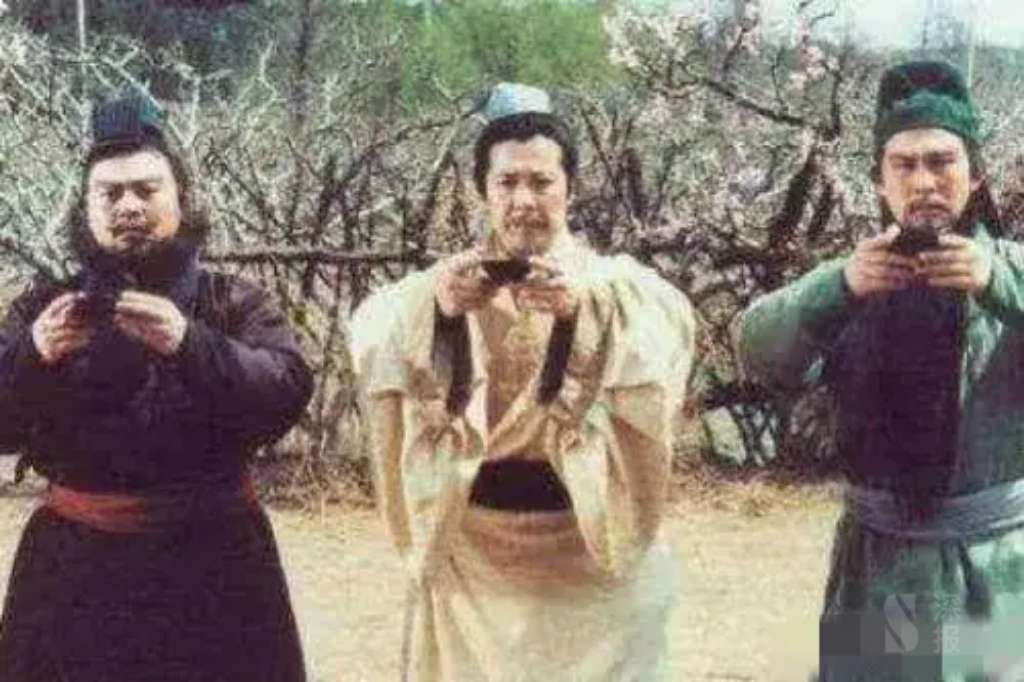
涿州的桃园三结义故里,是刘关张情谊的见证之地。东汉末年黄巾起义爆发,刘备在涿县举兵,与关羽、张飞结下了超越血缘的情谊。《三国志》虽未记载桃园结义的仪式,却明确提及三人“寝则同床,恩若兄弟”。这支由乡勇、商贩、屠户组成的队伍,以“上报国家,下安黎庶”为信念,在涿州这片土地上迈出了创业的第一步,也让“忠义”文化在这里埋下了最初的种子。
纵观刘备的一生,其创业之路远比曹操、孙权更为艰难。他半生颠沛流离,屡战屡败,先后依附于公孙瓒、陶谦、曹操等多位诸侯,却始终未曾放弃兴复汉室的理想。这种百折不挠的韧性,正是涿州人骨子里的倔强与坚韧。作为自称中山靖王之后的草根,刘备凭借“人和”立足,他待人谦和、礼贤下士,三顾茅庐请诸葛亮出山的典故,成为求贤若渴的千古典范。当阳撤退时,他不忍舍弃十万百姓,甘愿放慢脚步与民众同行,这份以人为本的仁心,让他在乱世中赢得了民心。
公元221年,刘备于成都称帝,建立蜀汉政权。尽管最终未能实现兴复汉室、还于旧都的夙愿,但蜀汉的正统性与忠义精神,成为三国历史中熠熠生辉的篇章。刘备为涿州留下了深刻的印记,让这座城市与三国、英雄、忠义紧密相连。楼桑春社的庙会、街头的评书大鼓,处处都传颂着他的故事。
从涿县布衣到三分天下的帝王,刘备的一生诠释了“英雄不问出处”的真谛。他以大志、信义与坚韧,书写了一段传奇,成为涿州的骄傲,更是中华民族精神的缩影。他的生命始于楼桑的桑树,终于白帝城的托孤,但他留下的“忠义”精神,如涿州古城墙一般坚不可摧,历久弥新。楼桑春深,帝业已逝,而英雄之气,万古长存。
(刘会军 2026.1.18 涿州)
(字数:998字)
"Notes on Zhuozhou" 03
Emperor Zhaolie of Han: Liu Bei
Liu Bei (161 AD - 223 AD), styled Xuande, was the founding emperor of the Shu Han during the Three Kingdoms period. His hometown was Lou sangmiao Village, south of present-day Zhuozhou in Hebei Province. He lost his *ther in his childhood and made a living by weaving mats and selling sandals with his mother. However, the impoverished life *iled to dampen his lofty aspirations.
At the southeast corner of his former residence stood a five-z丈 tall mulberry tree, with luxuriant branches and leaves like the canopy of a carriage. Passers-by all said this tree was extraordinary. When Liu Bei was a child, he playfully said, "I will surely ride in a carriage with such a feathered canopy." This remarkable remark fully revealed his inherent leadership qualities and great ambitions. Zhuozhou, located in the land of Yan and Zhao, where people are known for their generosity, readiness to sing dirges for heroes, and emphasis on martial spirit and righteousness, has deeply integrated into his blood, becoming the spiritual foundation for his lifelong journey闯荡 the world. His childhood also shaped the tenacious底色 of his character.
The hometown of the Oath in the Peach Garden in Zhuozhou is a witness to the friendship between Liu Bei, Guan Yu, and Zhang Fei. When the Yellow Turban Rebellion broke out in the late Eastern Han Dynasty, Liu Bei raised troops in Zhuoxian County and formed a bond with Guan Yu and Zhang Fei that transcended blood ties. Although "Records of the Three Kingdoms" does not record the ceremony of the Peach Garden Oath, it clearly mentions that the three "slept in the same bed and were as close as brothers." This team, composed of village braves, merchants, and butchers, with the belief of "serving the country above and pacifying the common people below," took the first step of their undertaking on the land of Zhuozhou, and also planted the initial seeds of "loyalty and righteousness" culture here.
Looking at Liu Bei's life, his path to founding a state was *r more difficult than that of Cao Cao and Sun Quan. He wandered about for half his life, suffering repeated defeats. He successively took refuge with many warlords such as Gongsun Zan, Tao Qian, and Cao Cao, but never gave up his ideal of restoring the Han Dynasty. This indomitable resilience is precisely the stubbornness and tenacity in the bones of Zhuozhou people. As a commoner claiming to be a descendant of Prince Jing of Zhongshan, Liu Bei established himself by virtue of "harmony with people." He treated others modestly and respected talented scholars. The allusion of visiting Zhuge Liang three times in his thatched cottage to invite him to serve became a timeless model of eagerness for talent. When retreating from Dangyang, he could not bear to abandon 100,000 common people and was willing to slow down to walk with them. This kindness of putting people first made him win the hearts of the people in the chaotic times.
In 221 AD, Liu Bei proclaimed himself emperor in Chengdu and established the Shu Han regime. Although he ultimately *iled to fulfill his long-cherished wish of restoring the Han Dynasty and returning to the old capital, the legitimacy and spirit of loyalty and righteousness of Shu Han became a brilliant chapter in the history of the Three Kingdoms. Liu Bei left a deep mark on Zhuozhou, closely linking this city with the Three Kingdoms, heroes, and loyalty and righteousness. The temple *ir of Lou Sang Spring Festival and the storytelling and drum performances on the streets all sing praises of his stories.
From a commoner in Zhuoxian County to an emperor who divided the country into three parts, Liu Bei's life interpreted the true meaning of "a hero's origin is not to be questioned." With great aspirations, *ithfulness, and tenacity, he wrote a legend, becoming the pride of Zhuozhou and even an epitome of the Chinese national spirit. His life began with the mulberry tree in Lou Sang and ended with the entrusting of his son in Baidi City, but the spirit of "loyalty and righteousness" he left behind, like the ancient city wall of Zhuozhou, is indestructible and ever-lasting. The spring in Lou Sang is in full bloom, the imperial cause has passed, but the heroic spirit will last forever.
(Liu Huijun, Zhuozhou, January 18th, 2026)
(Word count: 998)
作者: 门球狂人 时间: 2026-1-24 07:38
《札记·涿州》04
涿郡张飞
涿郡沃野属燕赵故地,育壮士、诞猛臣,汉桓侯张飞翼德乃此间千古英杰。其故里在涿州西南忠义店,旧名桃庄,因刘关张桃园结义易名,以彰忠义,至今古井犹存,遗迹昭然,诉说着这位燕人猛将的传奇。
飞少时家道殷实,有田庄桃园,以屠沽为业,性刚烈勇猛,常与乡里孩童角力,桀骜难驯。其父屡请塾师皆被气走,幸得舅氏引荐,拜归隐武将王养年为师。王公文武兼备,见飞骨相不凡,授其《春秋》《孙子兵法》与枪矛绝技,更教书法绘美人、穿针引线磨心性。数载苦修后,飞通韬略、擅翰墨,绘美人名动乡里,摩崖书法遒劲雄浑,纪昀曾叹“慷慨横戈百战余,桓侯笔札定然疏。哪知拓本摩崖字,车骑将军手自书”,足证其文武兼修,非徒有勇力。
中平元年黄巾乱起,天下鼎沸。刘备在涿郡招兵买马,飞与关羽一见倾心,三人于庄中桃园结义,誓共扶汉室、生死与共。自此,飞执丈八蛇矛随玄德辗转南北,讨黄巾时勇冠三军,守下邳虽醉酒失城,却知过思改,愈发沉稳。
建安十三年,曹操挥师南下,刘备携民渡江兵败长坂坡。危急之际,飞仅率二十骑断后,立马当阳桥断桥拒敌,厉声大喝:“我乃燕人张翼德也!谁敢与我决一死战?”声震寰宇,曹军众将心惊胆寒,无人敢前,刘备得以脱险。此役,飞既以勇立威,更设疑兵扬尘惑敌,尽显粗中有细之智,成千古佳话。
西川之战,飞率军溯江而上兵临江州,守将严颜死守不降,被俘后怒斥张飞,风骨凛然。飞见其忠勇,反亲解其缚、待以宾礼,终令严颜归降,尽显识才爱才胸襟,为取西川扫清障碍。宕渠一战,飞与张郃相持五十余日,巧诱敌军入狭窄山道分兵突袭,大破张郃,令曹军不敢南向,保巴西之地无虞,用兵之谋不输良将。
飞一生敬君子而不恤小人,刘备屡劝未改。章武元年,关羽败走麦城为东吴所害,刘备兴兵伐吴,飞奉命自阆中出兵。临行前夜,因鞭挞部将遭暗算,身首异处,一代猛将殒于宵小之手,悲哉!其首葬云阳,身葬阆中,魂归涿郡,千秋祭祀香火不绝。
千载之下,涿州张飞古井仍映日月,桃园春风依旧拂面。世人多知张飞之勇,鲜识其文、忘其智。他是燕赵铁血男儿,蜀汉开国功臣,忠义贯日月,智勇炳千秋。涿郡因飞增辉,三国因飞添彩,桓侯英魂永留涿水之滨,激励后世守忠义、怀智勇,不负燕赵豪杰之名。飞曾受封西乡侯,爵位传于次子。
(刘会军 2026.1.25 涿州)
(字数:986字)
英文翻译:"Notes on Zhuozhou" 04
Zhang Fei of Zhuojun
The fertile land of Zhuojun, part of the ancient Yan and Zhao regions, nurtures valiant warriors and gives birth to fierce ministers. Zhang Fei, styled Yide, posthumously known as Marquis Huan of Han, is an eternal hero of this place. His hometown is Zhongyi (Loyalty and Righteousness) Store in the southwest of Zhuozhou, formerly named Taozhuang (Peach Village). It was renamed after Liu Bei, Guan Yu, and Zhang Fei took an oath in the peach garden to highlight their loyalty and righteousness. To this day, the ancient well there still exists, with clear traces telling the legend of this fierce warrior from Yan.
In his youth, Zhang Fei's family was well-off, owning farmland and a peach garden, and he made a living by butchering and selling wine. He was fiery-tempered and brave, often wrestling with village children, unruly and hard to tame. His father repeatedly invited private tutors, but all were driven away in anger. Fortunately, his uncle recommended him to Wang Yangnian, a retired military officer. Master Wang was versed in both literary and martial arts. Seeing that Zhang Fei had an extraordinary physique, he taught him The Spring and Autumn Annals, The Art of War by Sun Tzu, and exquisite spear skills, and even taught him calligraphy, painting of beauties, and threading needles to temper his temperament. After years of hard training, Zhang Fei became proficient in strategies, skilled in calligraphy, and his paintings of beauties were famous in the village. His cliff inscriptions were forceful and vigorous. Ji Yun once sighed, "After a hundred battles with generous spirit and wielding a spear, Marquis Huan's writings must be careless. Who would have known that the characters on the rubbing from the cliff were written by the General of Chariots and Cavalry himself?" This fully confirms that he was versed in both literary and martial arts, not just having brute strength.
In the first year of Zhongping (184 AD), the Yellow Turban Rebellion broke out, throwing the whole country into chaos. Liu Bei recruited soldiers in Zhuojun. Zhang Fei and Guan Yu felt an immediate affinity for Liu Bei, and the three took an oath in the peach garden of the village, vowing to jointly support the Han Dynasty and share life and death. From then on, Zhang Fei, holding his serpent-spear, followed Xuande (Liu Bei) as he traveled north and south. He was the bravest among the troops when suppressing the Yellow Turbans. Though he lost the city of Xiapi due to drunkenness, he acknowledged his mistake and became more steady.
In the thirteenth year of Jian'an (208 AD), Cao Cao led his army south. Liu Bei, leading the people across the Yangtze River, was defeated at Changban Slope. In the critical moment, Zhang Fei led only twenty cavalry to hold the rear. He stood by the broken Dangyang Bridge to resist the enemy, shouting loudly, "I am Zhang Yide from Yan! Who dares to fight me to the death?" His voice shook the world, and the generals of Cao's army were terrified, no one daring to advance, allowing Liu Bei to escape. In this battle, Zhang Fei not only established his authority with bravery but also set up a decoy force to stir up dust and confuse the enemy, fully showing his wisdom that lay beneath his roughness, becoming an eternal story.
In the battle for Xichuan, Zhang Fei led his army upstream along the river and reached Jiangzhou. The defending general Yan Yan held out and refused to surrender. After being captured, Yan Yan angrily rebuked Zhang Fei with unyielding integrity. Seeing his loyalty and courage, Zhang Fei instead personally untied him, treated him with courtesy as a guest, and finally persuaded Yan Yan to surrender, showing his broad mind in recognizing and cherishing talent, clearing obstacles for the capture of Xichuan. In the Battle of Dangqu, Zhang Fei confronted Zhang He for more than fifty days. He cleverly lured the enemy into a narrow mountain road and sent troops to launch a surprise attack, thoroughly defeating Zhang He, making Cao's army dare not move south and ensuring the safety of Brazil. His military strategy was no less than that of excellent generals.
Zhang Fei respected gentlemen but was harsh on his subordinates. Liu Bei advised him repeatedly, but he did not change. In the first year of Zhangwu (221 AD), Guan Yu was defeated, fled to Maicheng, and was killed by the Eastern Wu. Liu Bei raised an army to attack Wu, and Zhang Fei was ordered to send troops from Langzhong. On the night before departure, he was assassinated by his subordinates whom he had whipped, his body and head separated. What a tragedy that such a great warrior died at the hands of villains! His head was buried in Yunyang, his body in Langzhong, and his soul returned to Zhuojun, with sacrifices continuing through the ages.
After a thousand years, the ancient well of Zhang Fei in Zhuozhou still reflects the sun and moon, and the spring breeze in the peach garden still brushes the face. The world mostly knows Zhang Fei's bravery, but few know his literary talent and forget his wisdom. He was a valiant man of Yan and Zhao, a founding hero of Shu Han, with loyalty and righteousness shining through the sun and moon, and wisdom and courage illuminating the ages. Zhuojun is glorified by Zhang Fei, and the Three Kingdoms are enriched by him. The heroic spirit of Marquis Huan remains forever on the banks of the Zhuo River, inspiring future generations to uphold loyalty and righteousness, cherish wisdom and courage, and live up to the name of heroes from Yan and Zhao. Zhang Fei was once granted the title of Marquis of Xixiang, and the title was passed down to his second son.
(Liu Huijun, Zhuozhou, January 25th, 2026)
(Word count: 986)
作者: 门球狂人 时间: 2026-2-1 09:53
《札记.涿州》05篇
范阳郦道元
北魏太和年间,范阳涿县(今河北涿州)道元村的书香门第,诞下旷世奇才郦道元。作为汉家名仕郦食其、郦商后裔,他出身世代官宦之家,父亲郦范官至平东将军、青州刺史,封永宁侯。显赫家世及成长环境,更将家族文脉风骨与治世理念,深深浸润其童年。拒马河畔的晨光暮色中,少年郦道元常蹲踞河岸,以树枝为笔、泥沙为纸摹画河道,追着河工请教水流变迁与泥沙淤积之秘,一部古朴《水经》被批注得密密麻麻,字里行间满是对山河地理的天然痴迷,为日后学术巨著埋下伏笔。
弱冠之年,郦道元承袭永宁伯爵位入仕,历任尚书郎、治书侍御史、冀州长史、鲁阳太守等职。他为政刚正严猛,秉持“治乱世当用重典”理念,冀州长史任上,三年勤政务实、整肃吏治,令境内奸盗远遁、百姓安居,成就政通人和之局;转任鲁阳太守时,深知教化乃长久治安之基,上表请建学校、亲督学风,使边地蛮荒之所渐兴文风,士民感念其德。即便遭贬罢官、历经仕途沉浮,刚直不阿的本性始终未改。复任河南尹期间,面对汝南王元悦宠臣丘念贪赃枉法,他不惧亲王权势,果断将其逮捕,即便元悦求情、朝廷下旨宽宥,仍冒死抗旨行刑并弹劾亲王,虽深陷权贵构陷漩涡,却以行动彰显“执法不避豪强”的铮铮风骨。
仕途坎坷未消磨郦道元的治学之志,少年时的水文地理之爱,在岁月中愈发坚定。他借宦游之机,遍历长城以南、秦岭以东的中原大地,足迹踏遍千川万壑。每至一处,必“访碑稽古,问俗询安”,登山探源、临水问流,将实地考察所得与《山海经》《汉书·地理志》等四百余种典籍相互印证,辨伪存真、拾缺补漏。历经十余年呕心沥血,终成四十卷《水经注》。这部著作名义为注,实则是开创性综合地理巨著——它将原书一百三十七条河流扩充至一千二百五十二条,文字增至三十万字,详载河道源流、郡县沿革、物产风情、历史传说与山川地貌,兼具地理科学性与文学审美价值,被清代学者王先谦赞为“宇宙未有之奇书”。
孝昌三年,权奸当道的北魏朝堂暗流涌动,郦道元因刚正不阿遭权贵嫉恨,被构陷排挤后,受命出任关右大使监视谋反的雍州刺史萧宝夤。深知此行凶险,他仍以国事为重毅然赴任,行至阴盘驿(今陕西临潼附近)时遭叛军围困。驿馆被围、水源断绝,绝境中的郦道元坚守气节,怒叱叛军叛逆行径,最终力竭遇害,与弟弟郦道峻、次子郦孝友一同殉难,时年五十七。这位被英国科学史家李约瑟誉为“中世纪世界上最伟大的地理学家”的学者,用生命践行了“探颐索隐,钩深致远”的治学初心与家国情怀。
如今,涿州郦道元纪念馆内,《水经注》各版本与相关史料静静陈列,诉说着先贤传奇。他以水道为纲,开创“以水证地、以地记事”的地理著作新体例;以笔墨为舟,让江河承载厚重历史记忆与文化脉络;以风骨为炬,照亮后世学者求真务实之路与为官者清正廉明之道。这位从涿州走出的文化骄子,用一部《水经注》跨越千年,至今熠熠生辉,既是华夏文明“地灵人杰”的生动注脚,更是涿州儿女世代敬仰的精神丰碑。
(刘会军2026.2.1涿州)
字数:1000字
英文翻译:"Notes on Zhuozhou" 05
Li Daoyuan of Fanyang
During the Taihe period of the Northern Wei Dynasty, a prodigy named Li Daoyuan was born into a scholarly family in Daoyuan Village, Zhuoxian County of Fanyang (present-day Zhuozhou, Hebei). As a descendant of the renowned Han officials Li Shiqi and Li Shang, he came from a family of successive officials. His father, Li Fan, held the position of General of Pacifying the East and Provincial Governor of Qingzhou, and was conferred the title of Marquis of Yongning. The prominent family background and growing environment deeply infused the family's cultural heritage, moral integrity, and governing philosophy into his childhood. In the morning light and twilight by the Juma River, the young Li Daoyuan often squatted by the riverbank, using tree branches as a pen and sand as paper to sketch river courses. He pestered river workers to ask about the secrets of water flow changes and sediment accumulation. An ancient copy of The Classic of Waterways was densely annotated by him, with every line filled with a natural fascination for mountains, rivers, and geography, laying the groundwork for his academic masterpiece in the future.
In his early twenties, Li Daoyuan inherited the title of Count of Yongning and entered officialdom, serving successively as a court gentleman, imperial censor in charge of documents, chief secretary of Jizhou, and prefect of Luyang. He governed with integrity and strictness, adhering to the idea that "severe penalties are needed to govern a chaotic world." During his tenure as chief secretary of Jizhou, he worked diligently and practically for three years, rectifying the administration of officials, driving away criminals and thieves, and enabling the people to live in peace, achieving a situation of smooth governance and harmonious relations between the government and the people. When transferred to prefect of Luyang, he knew well that education was the foundation of long-term peace and stability. He submitted a memorial to request the establishment of schools and personally supervised academic atmosphere, gradually promoting literary culture in the once-barbaric border area, and scholars and common people were grateful for his virtue. Even when demoted, removed from office, and experiencing ups and downs in his official career, his nature of being upright and unyielding remained unchanged. During his reappointment as Governor of Henan, facing Qiu Nian, a favorite minister of Prince Yuanyue of Runan, who was corrupt and broke the law, he did not fear the prince's power and resolutely arrested him. Even when Yuanyue pleaded for mercy and the court issued an edict of leniency, he still risked his life to defy the edict, executed Qiu Nian, and impeached the prince. Though trapped in the whirlpool of frame-ups by powerful officials, he demonstrated with his actions the unyielding integrity of "enforcing the law without avoiding the powerful and wealthy."
The frustrations in his official career did not dampen Li Daoyuan's ambition for academic research. His love for hydrology and geography since childhood grew stronger over the years. Taking advantage of his official travels, he traversed the Central Plains south of the Great Wall and east of the Qinling Mountains, leaving his footprints across thousands of rivers and valleys. Everywhere he went, he would "visit steles to investigate ancient times, inquire about customs and people's well-being," climb mountains to explore sources, approach waters to ask about flows, and cross-verify his field investigation findings with more than 400 classics such as Classic of Mountains and Seas and Book of Han·Geography. He distinguished the false from the true and supplemented the missing parts. After more than ten years of painstaking efforts, he finally completed the forty-volume Commentary on the Classic of Waterways. Nominally a commentary, this work is actually a pioneering comprehensive geographical masterpiece. It expanded the 137 rivers in the original book to 1,252, with the text increased to 300,000 characters, detailing river origins and courses, the evolution of counties and prefectures, local products and customs, historical legends, and landscapes. It combines geographical scientificity with literary aesthetic value, and was praised by the Qing Dynasty scholar Wang Xianqian as "the most extraordinary book the world has ever seen."
In the third year of Xiaochang (527 AD), undercurrents surged in the Northern Wei court where treacherous officials held power. Li Daoyuan, hated by powerful officials for his integrity, was framed and squeezed out, then ordered to serve as Ambassador to the Right of the Pass to monitor Xiao Baoyin, the Provincial Governor of Yongzhou, who had rebelled. Knowing the danger of this trip, he still put state affairs first and resolutely took up the post. When he arrived at Yinpan Posthouse (near present-day Lintong, Shaanxi), he was besieged by rebel troops. The posthouse was surrounded and water sources were cut off. In this desperate situation, Li Daoyuan坚守 his integrity, angrily rebuking the rebels for their treason, and finally died of exhaustion, sacrificing his life along with his younger brother Li Daojun and second son Li Xiaoyou at the age of fifty-seven. This scholar, whom the British science historian Joseph Needham hailed as "the greatest geographer in the medieval world," fulfilled his original aspiration for academic research of "exploring the profound and seeking the hidden, delving into the deep and reaching far" and his feelings for the country with his life.
Today, in the Li Daoyuan Memorial Hall in Zhuozhou, various editions of Commentary on the Classic of Waterways and related historical materials are quietly displayed, telling the legend of the virtuous ancestor. With waterways as the outline, he pioneered a new style of geographical works that "testify to the land through water and record events through the land"; with his writing brush as a boat, he let rivers carry profound historical memories and cultural contexts; with his integrity as a torch, he illuminated the path of seeking truth and being pragmatic for later scholars and the way of being honest and upright for officials. This cultural pride from Zhuozhou has transcended a thousand years with Commentary on the Classic of Waterways, still shining brightly today. It is not only a vivid illustration of the Chinese civilization's "inspired by the land, producing outstanding people" but also a spiritual monument revered by generations of Zhuozhou's children.
(Liu Huijun, Zhuozhou, February 1st, 2026)
(Word count: 1000)
作者: 门球狂人 时间: 2026-2-8 08:46
《札记·涿州》06篇
六祖慧能
六祖慧能,唐代高僧,禅宗南宗开山之祖。以顿悟成佛之旨,革新禅法,流布天下,为中国佛教史上影响至深之宗师。其出身寒微,祖籍范阳,落籍岭南。幼年丧父,以卖柴奉母,生计清苦,然宿根深厚,一闻佛法,心向往之,早植求道之根。
一日,慧能闻人诵读《金刚经》,至“应无所住而生其心”,豁然开悟,遂决意远游求法。辞别老母,北上湖北黄梅东禅寺,参礼五祖弘忍*。初见五祖,即直言:“人虽有南北,佛性本无南北。”一语道破心性平等之理,深为五祖所器重。为避众疑,乃随众劳作,腰石舂米,苦行不怠,于日用中体认自性,不向外求,默养本心。
后五祖命*各作一偈,以验修行见地。上座神秀书偈:“身是菩提树,心如明镜台,时时勤拂拭,勿使惹尘埃。”此偈偏重渐修除垢,尚未彻见本性。慧能闻之,自知所悟更深,乃口占一偈,请人书壁:“菩提本无树,明镜亦非台,本来无一物,何处惹尘埃。”此偈直指自性本空、本来清净,超渐修之执,彻心源之实。五祖见偈,知其已悟真如,深夜为其说法,付以衣钵,立为禅宗六祖,并嘱其即刻南归,待时弘法。
慧能南还,隐于四会、怀集山间十余年,避祸养晦,静心待时。后至广州法性寺,值印宗法师讲经,风吹幡动,二僧相争,一曰风动,一曰幡动。慧能进曰:“不是风动,不是幡动,仁者心动。”一言震彻满座。印宗知其得道高人,遂为剃度,慧能正式出家。此后驻锡曹溪宝林寺,开坛说法三十余载,广接十方,大阐顿悟心法。
其禅法以无念为宗,无相为体,无住为本,主张不立文字、直指人心。倡言众生自性本自具足,清净圆满,不生不灭。迷则众生,悟即佛陀,修行不必外求,不执*字句。常谓“菩提只向心觅,何劳向外求玄”,以行住坐卧为道场,融佛法于日用平常,不离世间,不离自心,使禅法平易可行,普被群生。
慧能一生不尚形式,不务虚行,唯以明心见性为根本。其言教由*辑为《六祖坛经》,乃中土僧人著述中唯一尊称为“经”者,影响千载,泽被后世。圆寂后真身不坏,供奉南华寺,万世景仰。
一介樵夫,悟彻菩提;片言契机,直指心源。慧能以最平实之语,说最究竟之理,开南宗顿悟之宗,使禅宗深入民间,融入华夏文脉。其一生昭示世人:佛性本在自心,不假外求;迷悟之隔,只在一念。其禅法智慧,至今照彻人心,为千古不朽之精神宝藏。
(刘会军 2026年2月8日涿州)
字数:1000字
英文翻译:"Notes on Zhuozhou" 06
The Sixth Patriarch Huineng
Huineng, the Sixth Patriarch, was a eminent monk of the Tang Dynasty and the founder of the Southern School of Zen. With the tenet of achieving enlightenment and becoming a Buddha through sudden awakening, he reformed Zen practices and spread them throughout the land, becoming a master with profound influence in the history of Chinese Buddhi*. He came from a humble background, with his ancestral home in Fanyang (present-day Zhuozhou) and his *mily later settling in Lingnan (southern China). He lost his *ther in childhood and made a living by selling firewood to support his mother, leading a hard life. However, he had a deep innate root of wisdom; upon hearing the Dharma, his heart yearned for it, planting the seeds of seeking the Way at an early age.
One day, Huineng heard someone reciting the Diamond Sutra, and when he heard the line "One should generate a mind that abides in nothing," he suddenly attained enlightenment. Thus, he resolved to travel *r to seek the Dharma. After bidding *rewell to his mother, he went north to Dongchan Temple in Huangmei, Hubei, to pay homage to the Fifth Patriarch, Master Hongren. When he first met the Fifth Patriarch, he straightforwardly said, "Although people may be from the south or north, the Buddha-nature is without such distinction." This statement revealed the principle of the equality of mind-nature, earning him the deep regard of the Fifth Patriarch. To avoid doubts from others, he joined the others in labor, carrying a stone on his waist to pound rice, practicing ascetici* without slack. In daily life, he realized his inherent nature, not seeking externally, but silently nurturing his original mind.
Later, the Fifth Patriarch ordered his disciples to compose a gatha (verse) to test their understanding of practice. The senior monk Shenxiu wrote: "The body is a bodhi tree, the mind is a bright mirror stand. Always diligently wipe it clean, not allowing it to gather dust." This gatha emphasized gradual cultivation to remove defilements, without fully seeing one's inherent nature. When Huineng heard it, he knew his own realization was deeper, so he dictated a gatha and asked someone to write it on the wall: "Bodhi is originally no tree, the bright mirror is also no stand. Originally, there is not a single thing—where can dust gather?" This gatha directly pointed to the emptiness of inherent nature, its original purity, transcending the attachment to gradual cultivation and penetrating the reality of the source of mind. When the Fifth Patriarch saw it, he knew Huineng had realized the True Suchness. He taught him the Dharma in the middle of the night, passed on the robe and bowl to him, established him as the Sixth Patriarch of Zen, and instructed him to return south immediately to wait for the time to propagate the Dharma.
Huineng returned south and lived in seclusion in the mountains of Sihui and Huaiji for more than ten years, avoiding misfortune, biding his time, and calming his mind. Later, he went to Faxing Temple in Guangzhou. At that time, Master Yinzong was giving a lecture on the sutras. A wind blew, causing a banner to move, and two monks argued—one said the wind was moving, the other said the banner was moving. Huineng stepped forward and said: "It is not the wind moving, nor the banner moving; it is the仁者's mind that is moving." This statement shook the entire assembly. Yinzong knew he was an enlightened master, so he ordained him, and Huineng formally became a monk. After that, he resided at Baolin Temple in Caoxi, giving lectures for more than thirty years, widely receiving followers from all directions and expounding the sudden enlightenment mind method.
His Zen teaching took "no-thought" as the sect, "no-form" as the essence, and "no-abiding" as the foundation, advocating not establishing words and letters, directly pointing to the human mind. He proclaimed that all sentient beings inherently possess complete, pure, and unchanging Buddha-nature. When deluded, one is a sentient being; when enlightened, one is a Buddha. Practice does not require seeking externally, nor clinging to the words and sentences of sutras. He often said, "Bodhi is only to be sought from the mind—why bother seeking mysteries externally?" Taking daily activities as the道场 (practice ground), he integrated the Dharma into daily life, not departing from the world or one's own mind, making Zen practices accessible and widely beneficial to all beings.
Huineng did not value formality or empty practices throughout his life, only taking the awakening of mind and seeing of nature as fundamental. His teachings were compiled by his disciples into the Platform Sutra of the Sixth Patriarch, the only work by a Chinese monk honored as a "sutra," which has influenced for a thousand years and benefited later generations. After his parinirvana, his physical body remained incorrupt and is enshrined in Nanhua Temple, receiving reverence for all eternity.
A woodcutter who thoroughly understood Bodhi; a few words that契合 the opportunity, directly pointing to the source of mind. With the plainest language, Huineng expounded the most ultimate principles, establishing the Southern School of sudden enlightenment, enabling Zen to penetrate the people and integrate into the Chinese cultural context. His life shows the world: Buddha-nature is inherently in one's own mind, not to be sought externally; the difference between delusion and enlightenment lies in a single thought. His Zen wisdom still illuminates people's hearts today, being an immortal spiritual treasure through the ages.
(Liu Huijun, Zhuozhou, February 8th, 2026)
(Word count: 1000)
作者: 门球狂人 时间: 6 天前
《札记·涿州》07篇
赵匡胤
赵匡胤(927—976),宋太祖,北宋开国皇帝,祖籍涿郡范阳(今河北涿州),官方认定故里为范阳县北台村。其祖父赵敬曾任涿州刺史,家族世代为涿郡官宦,父亲赵弘殷亦是骁勇武将,他本人出生于洛阳夹马营。涿郡开基,胤启宋疆。玄元易字,典册流芳。陈桥定鼎,杯酒释枪。文昭武穆,泽被万方。祖溯范阳,根连涿乡。千秋一帝,史载煌煌。
涿州古称范阳,地处燕赵腹地,自古为兵家要地、豪杰之乡。赵匡胤家族世代扎根于此,将门家风与燕赵慷慨之气融入血脉。虽生于洛阳,范阳故土仍是其精神根脉,这片土地的底蕴塑造了他沉稳果敢、胸怀天下的性格,为其日后成就帝业埋下伏笔。
五代十国天下大乱,赵匡胤从军后凭勇武谋略崭露头角,追随周世宗屡立战功,执掌军政大权。显德七年,契丹来犯,他率军北上至陈桥驿,众将黄袍加身拥立为帝。这场不流血的政变终结了长期战乱,尽显其政治智慧与仁君格局。登基后,他以“杯酒释兵权”温和解除武将兵权,根除藩镇割据,强化中央集权,为北宋稳定发展筑牢根基。
治国上,赵匡胤崇文抑武、大兴文教,复兴战乱中断的华夏文脉。宋真宗为避先祖赵玄朗名讳,将《千字文》开篇“天地玄黄”改为“天地元黄”,成为经典版本的特色印记,也让赵氏皇室与传统文化深度联结。他还轻徭薄赋、整顿吏治、劝课农桑,使中原恢复安宁,经济文化日渐繁荣,基本统一全国,结束了唐末以来的分裂局面,仁政功业被后世称颂。
民间流传甚广的“千里送京娘”故事,更彰显其侠义本色。据《警世通言》记载,未发迹的赵匡胤在太原清油观救下被掳的赵京娘,结为兄妹后千里护送,一路击退盗匪,坐怀不乱。京娘表白与家人招赘均被他拒绝,后京娘为证清白自缢而亡。赵匡胤登基后追封其为贞义夫人并立祠纪念,河北京娘湖亦因此故事闻名。
作为涿州走出的开国帝王,赵匡胤是赵宋王朝的开创者,也是燕赵儿女安邦定国的典范,让范阳古郡在历史上留下浓墨重彩的一笔。回望历史,赵匡胤的雄才大略、涿州的人杰地灵与千年文化魅力交相辉映,这段历史既是家族荣光与王朝开端,更是中华文脉与家国精神传承的生动见证,熠熠生辉启迪后人。
(刘会军 2026年2月15日涿州)
字数:998字
----------------------------------------------------
"Notes on Zhuozhou" 07
Zhao Kuangyin
Zhao Kuangyin (927–976), known as Emperor Taizu of Song, was the founding emperor of the Northern Song Dynasty. His ancestral home was Fanyang in Zhuojun (present-day Zhuozhou, Hebei), and his officially recognized hometown was Beitai Village in Fanyang County. His grandfather Zhao Jing once served as the prefect of Zhuozhou, and the family had been officials in Zhuojun for generations. His father Zhao Hongyin was also a valiant military officer, and Zhao Kuangyin himself was born in Jiamaying, Luoyang. The foundation was laid in Zhuojun, ushering in the Song territory. The "Xuan" in the name of his ancestor Xuanyuan was changed to "Yuan" to avoid taboo, leaving a legacy in classics. The state was established at Chenqiao, and military power was relieved over a cup of wine. Literary brilliance and martial glory have benefited all. The ancestors traced back to Fanyang, with roots connected to Zhuozhou. A sovereign through the ages, his deeds shine in history.
Zhuozhou, known as Fanyang in ancient times, is located in the heart of Yan and Zhao regions. It has been a strategic military location and a land of heroes since ancient times. Zhao Kuangyin's family took root here for generations, and the military family tradition and the generous spirit of Yan and Zhao were integrated into his blood. Although born in Luoyang, the native land of Fanyang remained his spiritual root. The heritage of this land shaped his calm, resolute, and world-minded character, laying the groundwork for his future imperial achievements.
During the chaotic period of the Five Dynasties and Ten Kingdoms, Zhao Kuangyin joined the army and rose to prominence with his bravery and strategy. He followed Emperor Shizong of Zhou, made repeated military exploits, and took charge of military and political power. In the seventh year of Xiande (960 AD), when the Khitan invaded, he led his army north to Chenqiao Posthouse, where his generals put a yellow robe on him and proclaimed him emperor. This bloodless coup ended the long-term chaos, fully demonstrating his political wisdom and the vision of a benevolent ruler. After ascending the throne, he gently relieved military officers of their power through the "cup of wine to release military power," eradicating the separatist regimes of military governors, strengthening centralization, and laying a solid foundation for the stable development of the Northern Song Dynasty.
In governing the country, Zhao Kuangyin valued literature and restrained military power, vigorously promoting culture and education, and reviving the Chinese cultural context interrupted by wars. To avoid the taboo of his ancestor Zhao Xuanlang's name, Emperor Zhenzong of Song changed the opening line of Thousand Character Classic from "Heaven and Earth are Xuan and Huang" to "Heaven and Earth are Yuan and Huang," which became a distinctive mark of the classic version and deeply connected the Zhao royal family with traditional culture. He also reduced corvée and taxes, rectified official administration, encouraged agriculture and sericulture, restored peace to the Central Plains, and promoted economic and cultural prosperity. He basically unified the country, ending the division since the late Tang Dynasty, and his benevolent governance was praised by later generations.
The widely circulated folk story of "Escorting Jingniang for a Thousand Li" further demonstrates his chivalrous nature. According to Stories to Warn the World, the yet-to-rise Zhao Kuangyin rescued Zhao Jingniang, who had been kidnapped, at Qingyou Temple in Taiyuan. After becoming sworn siblings, he escorted her for a thousand li, fending off bandits along the way and remaining unmoved by temptation. He refused Jingniang's confession of love and her family's offer of marriage. Later, Jingniang hanged herself to prove her innocence. After Zhao Kuangyin ascended the throne, he posthumously granted her the title of Lady Zhenyi and built a temple in her memory. Jingniang Lake in Hebei is also famous because of this story.
As a founding emperor from Zhuozhou, Zhao Kuangyin was the founder of the Zhao Song Dynasty and a model of Yan and Zhao people stabilizing the country. He left a profound mark on the history of the ancient county of Fanyang. Looking back at history, Zhao Kuangyin's great talents and strategies, Zhuozhou's outstanding people and favorable land, and its thousand-year cultural charm complement each other. This period of history is not only the glory of the family and the beginning of the dynasty but also a vivid witness to the inheritance of Chinese cultural context and the spirit of the nation, shining brightly to inspire future generations.
(Liu Huijun, Zhuozhou, February 15th, 2026)
(Word count: 998)
作者: 门球狂人 时间: 6 小时前
《札记·涿州》08篇
邵雍
邵雍(1011—1077),字尧夫,谥康节,号安乐先生、伊川翁,北宋著名理学家、易学家与诗人,位列北宋五子之一,是宋代先天象数学的开创者。他祖籍范阳,后定居洛阳,自筑“安乐窝”,终身不仕,多次谢绝朝廷征召,以讲学与著述为毕生事业,与司马光、二程等名士交游甚密,深受士林敬重。作为北宋思想界的重要代表,邵雍虽无官职,却以精深的学术造诣与高洁品格,成为一代儒者的精神典范。
邵雍的学术根基深厚,源于勤学苦读与名师传承。他年少家贫却志向笃学,游历四方探求天地性命之理,后师从李之才,得河图洛书与先天象数真传。他不慕功名,隐居治学,著有《皇极经世》《伊川击壤集》《渔樵问对》等经典,构建起贯通宇宙、历史与人生的完整思想体系。其学术以《周易》为核心,融合儒道两家精髓,跳出汉唐易学繁琐注疏的窠臼,直指天人关系的根本义理,为宋代理学开辟了独特的象数路径。
先天象数学是邵雍哲学的核心。他以“太极”为宇宙本体,遵循“太极生两仪,两仪生四象,四象生八卦”的数理逻辑,以先天八卦图、六十四卦方圆图为符号工具,阐释天地万物的生成与运行规律。他明确区分先天之学与后天之学,认为先天为天地本源,后天为人间法度,唯有把握先天之理,方能通晓世间变化。这一思想将《周易》从占卜之术提升至哲学本体论高度,为传统儒学注入了理性思辨色彩,也对后世天文、历法、术数之学产生了深远影响。
在历史观上,邵雍以元会运世构建宏大的时间体系,以129600年为一元,推演宇宙与人类历史的循环规律,并以皇、帝、王、伯四种政治模式评判历史兴衰,形成独具特色的数理历史观。他试图以天道规律统摄人文历史,将社会治乱与天道运行相结合,既体现对现实政治的思考,也彰显儒家贯通古今的史学追求,极大丰富了中国传统史学的理论内涵。
在认识论与修养论上,邵雍提出“以物观物”的核心主张,强调摒弃主观私意,以客观之心体察万物,实现天理与人性的合一。这一思想与程朱理学、陆王心学相互补充,成为宋明理学重要的认知方法。他安贫乐道、乐天知命,所作《伊川击壤集》语言浅白、意蕴深远,世称“击壤体”,以平易诗句阐释深刻哲理,展现出宋儒超然豁达的精神境界与内在人格。
邵雍的思想融通儒道,以儒家伦理为旨归,吸纳道家宇宙论与自然观,成功为儒学建立起形而上学体系。他与周敦颐、张载、二程共同奠定宋代理学基础,虽路径与义理派不同,却共同推动儒学从伦理之学向宇宙哲学拓展,使理学体系更加完备。
纵观中国思想史,邵雍以象数通天人,以安乐守本心,以不仕之身成就不朽之学。他不仅是宋明理学象数派的宗师,更是中国传统哲学与文化史上的巨匠。其学术范式、精神境界与人格操守,跨越千年依然闪耀光彩,至今仍为后人理解中华思想文化提供着深刻而珍贵的启示。
(刘会军 2026年2月22日 涿州)
字数:998字
英文翻译:"Notes on Zhuozhou" 08
Shao Yong
Shao Yong (1011–1077), styled Yaofu, posthumously named Kangjie, and known by the literary names Mr. Anle and Weng of Yichuan, was a renowned Neo-Confucianist, scholar of the I Ching, and poet of the Northern Song Dynasty. Ranked among the Five Northern Song Masters, he was the founder of the congenital image-number school of learning in the Song Dynasty. His ancestral home was Fanyang (present-day Zhuozhou), and he later settled in Luoyang, where he built his own "Anle Wo" (Peace and Joy Hut). He never held official office, repeatedly declining imperial appointments, and dedicated his life to lecturing and writing. He had close friendships with such eminent scholars as Sima Guang and the Cheng brothers, earning deep respect from the intellectual community. As an important representative of the Northern Song ideological circle, Shao Yong, though without official rank, became a spiritual model for Confucian scholars through his profound academic attainments and noble character.
Shao Yong's academic foundation was solid, rooted in diligent study and inheritance from renowned teachers. In his youth, he was poor but had a determined desire for learning. He traveled extensively to explore the principles of heaven, earth, nature, and destiny, later studying under Li Zhicai and receiving the true teachings of the River Chart, Luo Book, and congenital image-number theory. Not coveting fame and fortune, he lived in seclusion to pursue scholarship, authoring classics such as Huangji Jingshi (The Imperial Ultimate Principles Governing the World), Yichuan Jirang Ji (Collection of Poems from Yichuan), and Yuqiao Wendui (Dialogues Between Fisherman and Woodcutter), thus constructing a complete ideological system that connects the universe, history, and life. His scholarship centered on the I Ching, integrating the essence of Confucianism and Taoism, breaking free from the cumbersome exegesis of Han and Tang studies on the I Ching, and directly addressing the fundamental principles of the relationship between heaven and humanity, paving a unique image-number path for Song Dynasty Neo-Confucianism.
Congenital image-number theory was the core of Shao Yong's philosophy. He took "Taiji" (the Great Ultimate) as the ontological basis of the universe, following the mathematical logic of "Taiji generates two principles, two principles generate four images, four images generate eight trigrams," and using the congenital eight trigrams diagram and the square and circular diagram of sixty-four hexagrams as symbolic tools to explain the generation and operation laws of all things in heaven and earth. He clearly distinguished between congenital learning (principles of the origin of heaven and earth) and acquired learning (human institutions), believing that the congenital is the source of heaven and earth, while the acquired is the order of the human world. Only by grasping the congenital principles can one understand the changes in the world. This thought elevated the I Ching from a divination technique to the height of philosophical ontology, injecting rational speculation into traditional Confucianism and exerting a profound influence on later studies of astronomy, calendars, and numerology.
In terms of historical perspective, Shao Yong constructed a grand time system using "yuan, hui, yun, shi" (a cyclical time unit), with 129,600 years as one "yuan," deducing the cyclic laws of the universe and human history. He evaluated the rise and fall of history using four political models—huang (emperor), di (thearch), wang (king), and bo (hegemon)—forming a unique mathematical historical view. He attempted to unify human history under the laws of heaven, combining social order and chaos with the operation of heaven, which not only reflected his reflections on real politics but also demonstrated the Confucian pursuit of integrating the past and present, greatly enriching the theoretical connotation of traditional Chinese historiography.
In epistemology and cultivation theory, Shao Yong put forward the core proposition of "viewing things through things," emphasizing the abandonment of subjective bias and observing all things with an objective mind to achieve the unity of heavenly principles and human nature. This thought complemented Cheng-Zhu Neo-Confucianism and Lu-Wang Mind Learning, becoming an important cognitive method in Song-Ming Neo-Confucianism. He was content with poverty and delighted in the Dao, accepting fate with equanimity. His Yichuan Jirang Ji features plain language with profound implications, known as "Jirang style" (a form of poetry), which阐释 profound philosophy through simple verses, demonstrating the transcendent and open-minded spiritual realm and inner character of Song Dynasty Confucians.
Shao Yong's thought integrated Confucianism and Taoism, with Confucian ethics as its goal, absorbing Taoist cosmology and views of nature, successfully establishing a metaphysical system for Confucianism. Together with Zhou敦颐, Zhang Zai, and the Cheng brothers, he laid the foundation for Song Dynasty Neo-Confucianism. Although his path differed from the doctrinal school, they jointly promoted Confucianism from an ethical study to a cosmic philosophy, making the Neo-Confucian system more complete.
Throughout Chinese intellectual history, Shao Yong connected heaven and humanity through image-number theory, maintained his original intention through peace and joy, and achieved immortal scholarship without holding office. He was not only the master of the image-number school of Song-Ming Neo-Confucianism but also a giant in China's traditional philosophy and cultural history. His academic paradigm, spiritual realm, and personal integrity still shine through after a thousand years, providing profound and precious insights for future generations to understand Chinese thought and culture.
(Liu Huijun, Zhuozhou, February 22nd, 2026)
(Word count: 998)
| 欢迎光临 中国门球网 (https://www.menqiu.com/) |
Powered by Discuz! X3.4 |